Wheat Futures Reach Three-Year High as Black Sea Loadings Stall
Ukrainian exports fell 80 percent in August while Russian shipments dropped 2.6-fold
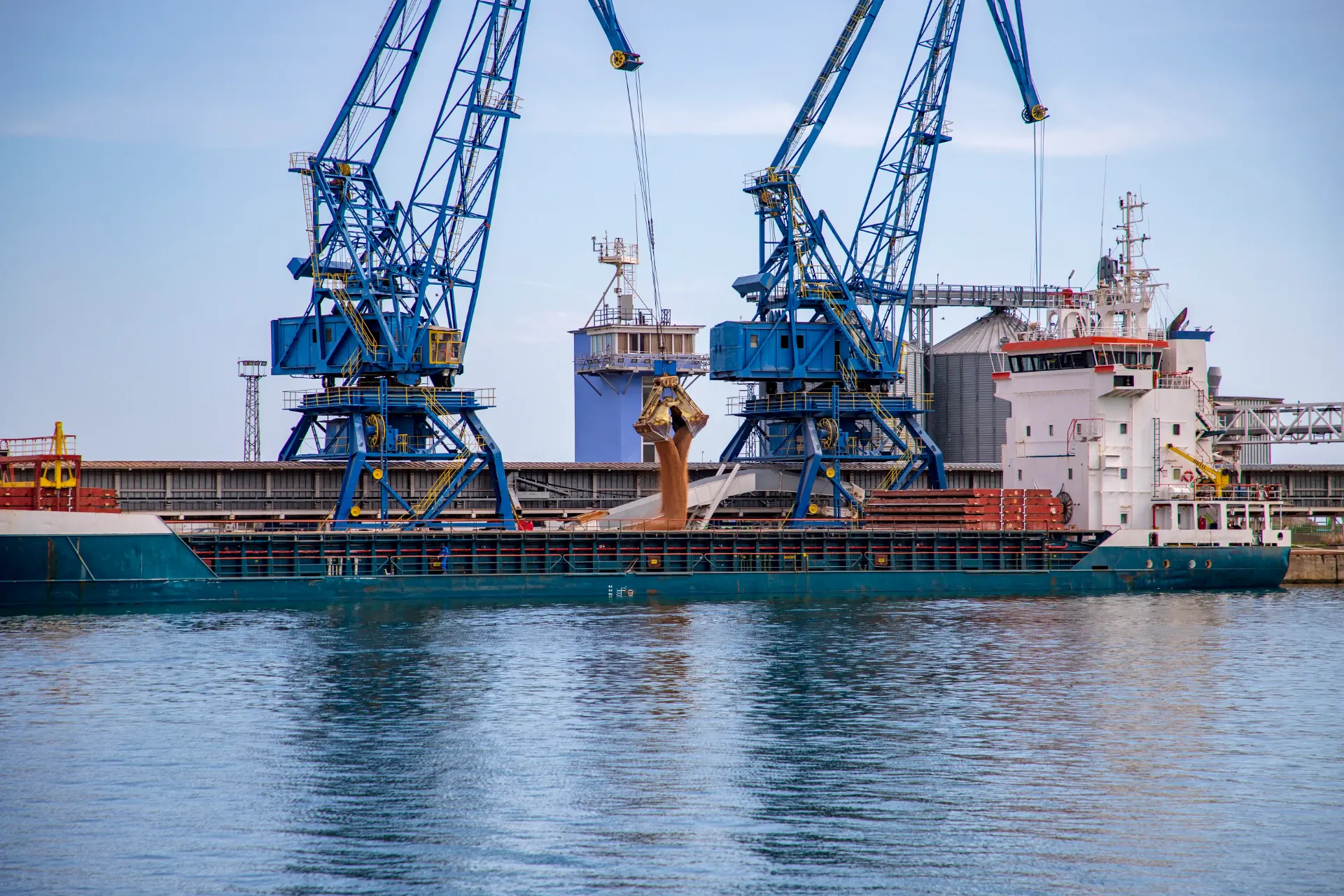
Shipping disruption in the Black Sea is driving wheat prices higher again, and this time both of the region's large exporters are taking supply-chain damage at once.
Since the start of the month, wheat futures on the benchmark Chicago exchange have risen 18 percent to their highest level in three years. As on the last occasion prices reached this level, the move is tied to disruption in Black Sea shipping rather than to the harvest.
There is little sign of an early reversal. Russia and Ukraine have both been striking each other's merchant shipping, damaging dozens of bulkers and effectively halting loading. On the Ukrainian side, around 70 ships are waiting off the entrance to the Sulina Canal, the transit route into the northernmost branch of the Danube delta. The logistical difficulties cut Ukrainian grain exports by 80 percent in August on the agriculture ministry's own figures, with harvest season under way.
On the Russian side the picture is less clear. Kremlin spokesman Dmitry Peskov told reporters that measures have been identified and will be further developed, ensuring that all grain intended for export is shipped on time and in full. Reported figures point the other way: Russian wheat exports are down 2.6-fold year on year, on a combination of shipping disruption and physical damage at grain terminals. All three grain terminals at Novorossiysk have been shut down following Ukrainian drone attacks.
Elena Tyurina, head of the analytical department at the Russian Grain Union, said that at the current rate of decline this season's Russian wheat exports could be the lowest in a decade despite solid harvest volumes. Her colleague Arkady Zlochevskiy, president of the union, warned of severe losses for Russian growers, with grain that has nowhere to go being sold for feed at around $45 a tonne below the cost of production.
For bulk carrier operators the immediate effect is a tonne-mile shift rather than a demand collapse: buyers who normally source from the Black Sea are turning to longer-haul origins, which absorbs tonnage even as regional loadings stop.