US Helicopter Disables Container Ship In Gulf Of Oman
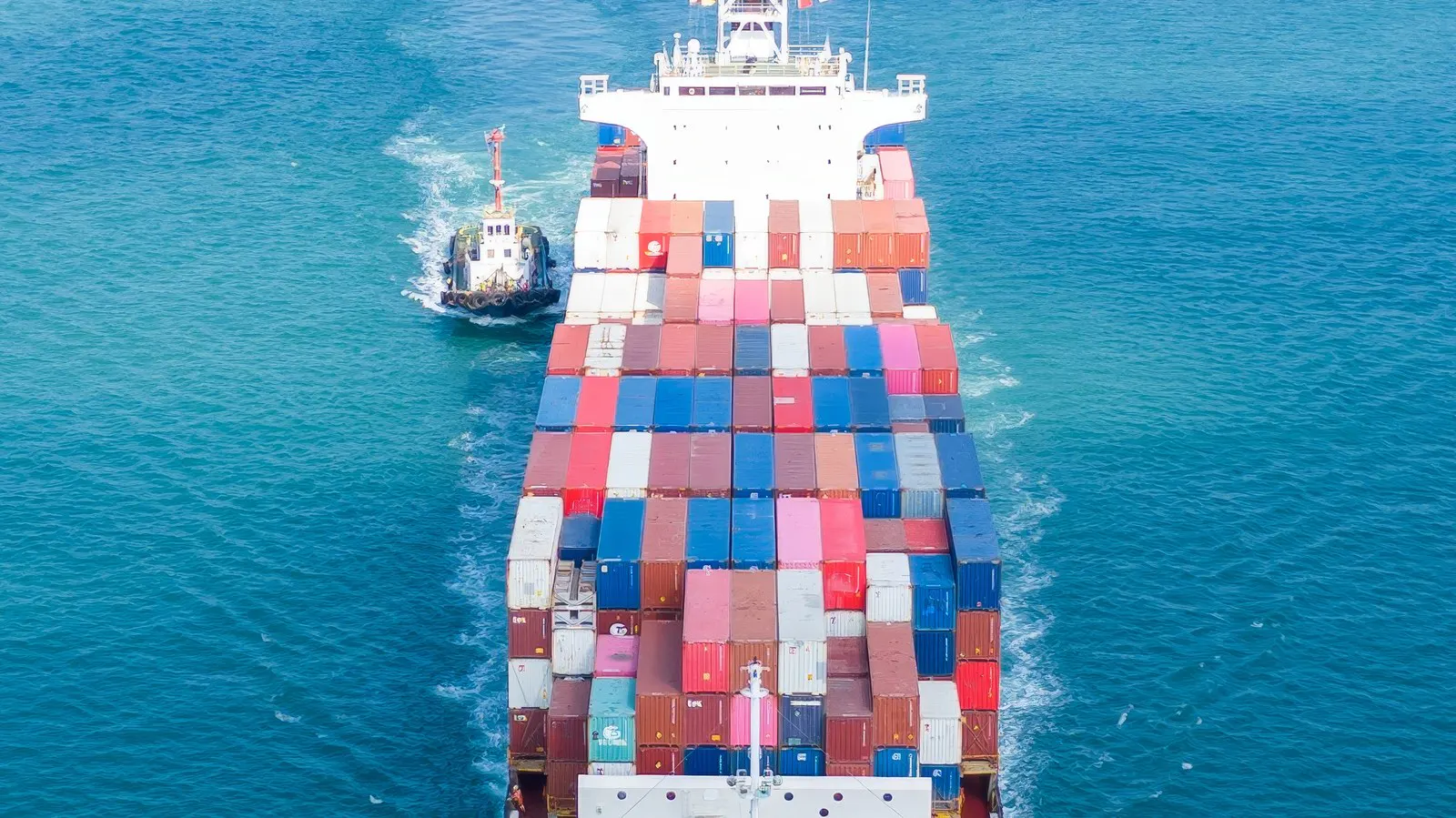
An American naval helicopter fired two missiles at a small container ship in the Gulf of Oman, disabling her steering gear, in the third such action since the United States reimposed a maritime blockade of Iran in mid-July. All seventeen crew were unharmed and a small fire was extinguished.
The vessel is a Panama-flagged container ship of 1,050 containers and 13,248 deadweight tonnes, around 146 metres long, managed from Athens and entered with a London protection and indemnity club since 8 July. She was struck roughly seventy-one miles off Pakistan. Central Command stated that its forces disabled the steering gear as the vessel attempted to transit the Gulf of Oman and violate the blockade by sailing towards an Iranian port.
That characterisation is directly contradicted by the tracking data. The ship's transmitted voyage information showed a passage from Nhava Sheva to Jebel Ali, neither of which is an Iranian port, and two separate trade publications reported the same routing. Nobody has reconciled the two accounts. The vessel's year of build is also given inconsistently as 1996 or 1997 depending on the source, and one outlet published a registration number that is not a valid format.
The campaign's running totals, which have been consistent, put fifty-five vessels redirected, three disabled and two boarded since the blockade was reimposed on 14 July. The two previously disabled ships were tankers, struck in mid and late July. Moving from tankers to a container ship is a widening of scope: a tanker approaching Iranian waters carries a cargo whose origin or destination is the point of the enforcement, whereas a feeder container ship on an intra-Gulf run carries other people's boxes.
For owners and their insurers, the incident establishes something uncomfortable. A commercially managed, conventionally insured, classed container ship on a routing her own transmitted data shows as ordinary was disabled by missile fire from a state that says it was heading somewhere else. Whether the tracking data or the military assessment is correct is precisely the question no owner can answer before sailing, and the disparity between the two accounts is itself the risk. Neither the naval unit involved, the helicopter variant, the cargo nor the crew nationalities have been reported, and the statement was issued through a social media post rather than a formal release.