Typhoon Leaves Multi-Day Queues At Shanghai And Ningbo
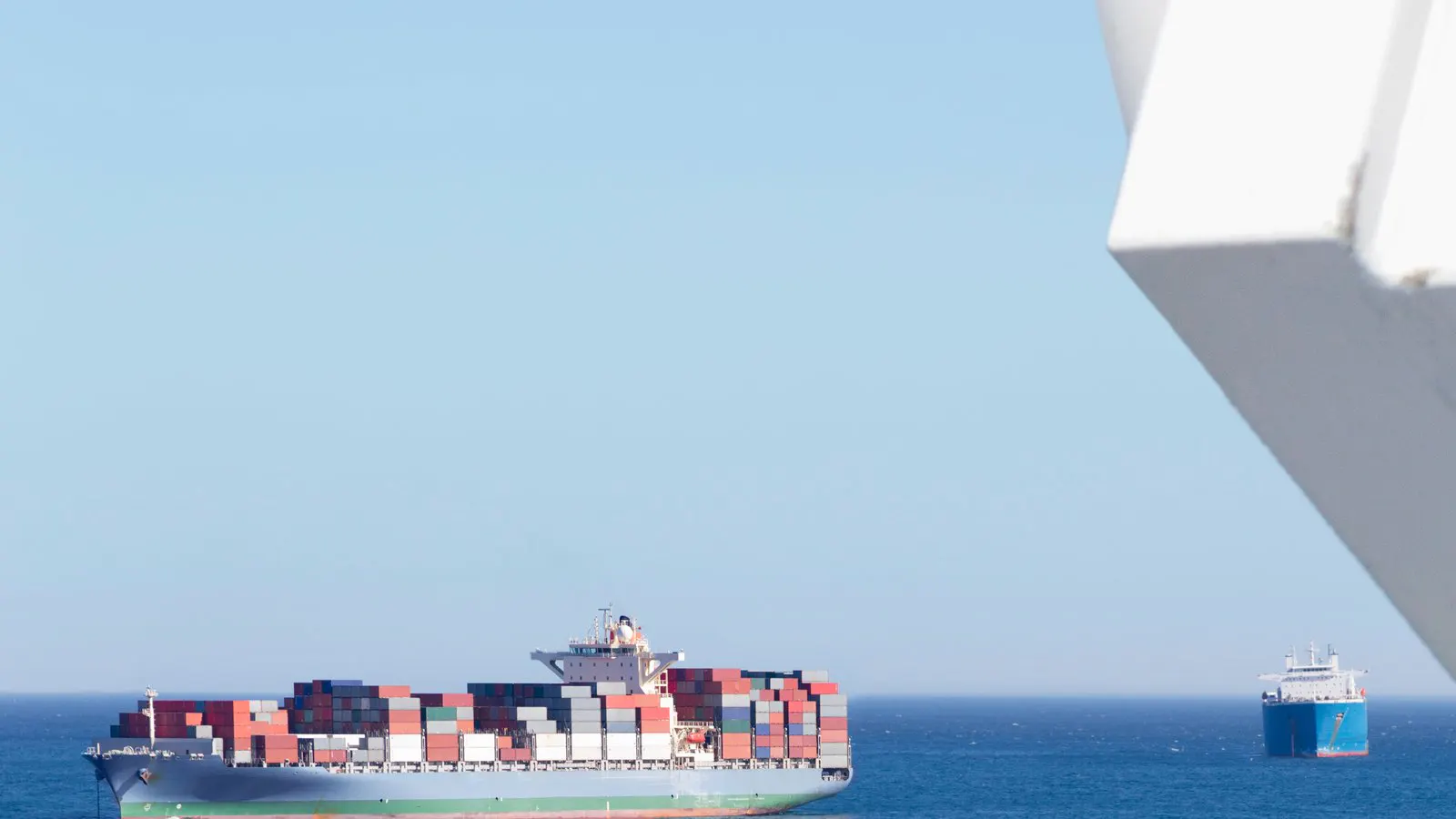
Typhoon Dolphin has left multi-day vessel queues at Shanghai and Ningbo-Zhoushan after temporary port shutdowns disrupted schedules across the region. More than 2.4 million twenty-foot equivalent units of container ship capacity was caught in the disruption, and by mid-month 117 vessels had returned to anchorages off Shanghai and 60 off Ningbo, with more than 200 ships affected across the wider East China region.
Berth waiting times were averaging four to seven days at major Shanghai terminals and three to five days at Ningbo-Zhoushan, while Shanghai container yards ran at 75 to 85 per cent utilisation. Arrival delays at Shanghai averaged 5.63 days and departure delays 5.37 days. Seven container ships of more than 20,000 units were waiting to berth at Ningbo alone, among them vessels of 24,188 and 24,116 units.
The shutdown was orderly and began before landfall. Ningbo terminals started suspending container operations on 7 August, followed by key Shanghai facilities the next day. At Yangshan, vessels were cleared from the port through the evening of the 7th, empty container gate operations stopped at 0600 on the 8th and laden container handling two hours later. Forty-two international trading vessels changed their arrival or departure plans, and more than 800 commercial vessels were sheltering in the Ningbo area by the 9th.
Dolphin made landfall near Yuhuan in Zhejiang at 1730 on 9 August with maximum sustained winds near its centre of 42 metres per second, with a second landfall about seventy minutes later. Operations began returning as the storm passed: the first vessel entered Ningbo-Zhoushan late on the 10th, a first group of fifteen container ships began returning after the emergency response ended at 0800 on the 11th, and Yangshan terminals reopened that morning with seven international vessels entering shortly after.
The recovery is where the cost accumulates. Clearing a queue of that size means berths, cranes, yard space and inland transport all running above normal load for days after the weather has passed, and the delay propagates down the string as ships arrive late at subsequent ports. With capacity equivalent to a substantial share of a week's regional throughput held at anchor, the schedule effects of a two-day closure are still being absorbed well after the port itself has returned to normal working.