Two More Tankers Attacked In The Strait Of Hormuz
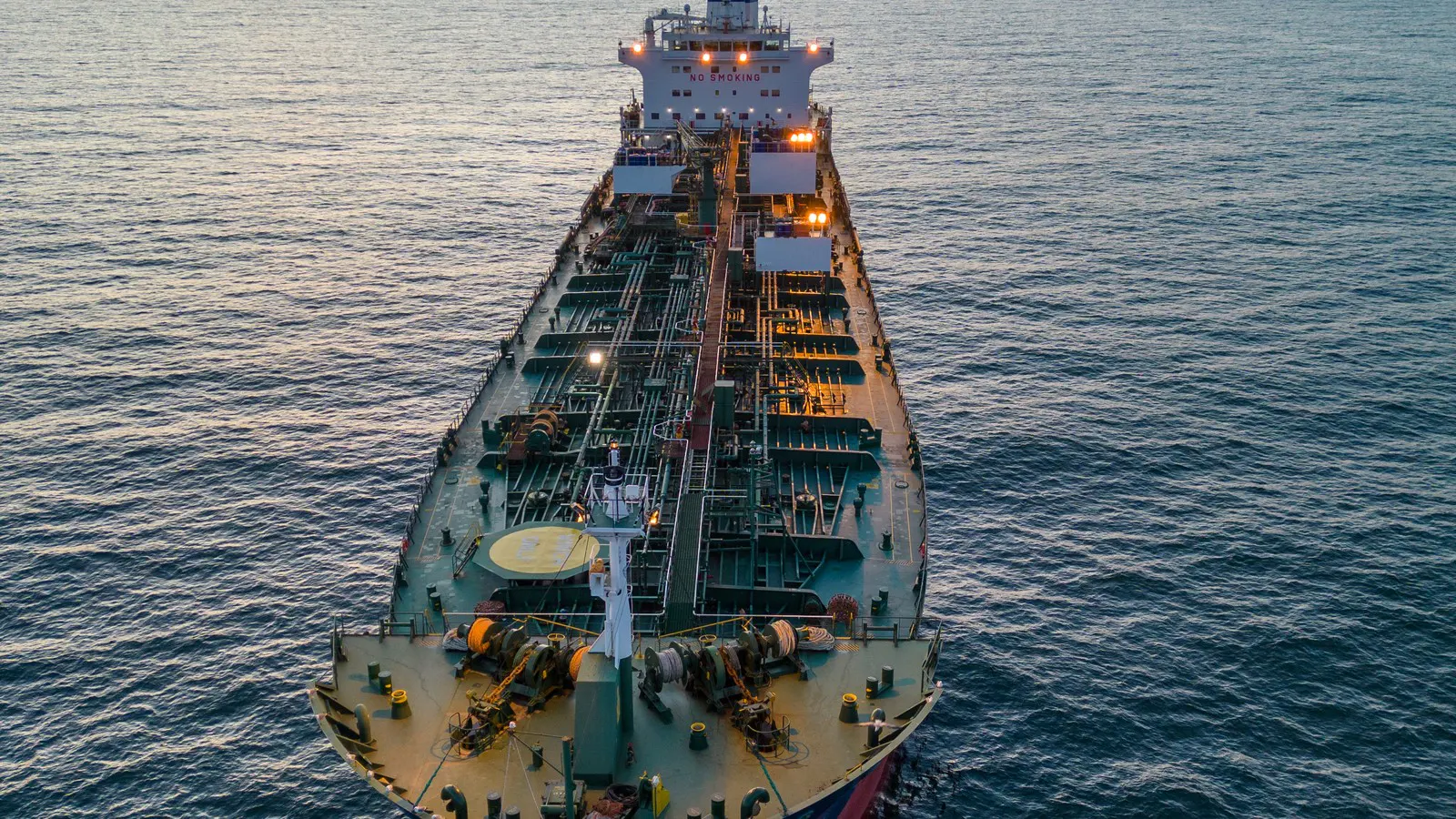
Two further tankers have been attacked in the Strait of Hormuz, extending a campaign against merchant shipping in the waterway that carries a substantial share of the world's seaborne crude. The attacks continue a pattern established over recent weeks in which vessels transiting the strait, or waiting to do so, have been struck without warning and in some cases without any claim of responsibility.
The strategic weight of the strait is what makes each incident disproportionate to the tonnage involved. At its narrowest the shipping lanes are only a couple of miles wide in each direction, and the traffic separation scheme forces every laden tanker through a corridor that can be observed and reached from shore. No amount of naval escorting changes that geometry. A warship can deter, and it can rescue, but it cannot make a strait wider.
The commercial response has already outrun the military one. War risk premiums for the region have risen repeatedly, insurers have rewritten the terms on which cover is offered, and charterers have begun pricing the risk of delay and detention into freight rather than assuming it away. Rates for voyages loading inside the Gulf have reached levels that were unimaginable a year ago, which is the market's way of saying that the risk is real and that somebody must be paid to carry it.
What is unusual about this phase is how little attribution accompanies it. Attacks on shipping have historically come with a claim, because the point of attacking commerce is usually to extract a concession, and a concession requires a demand. Strikes without claims serve a different purpose: they raise the cost of using a waterway without giving anyone a party to negotiate with, and they leave owners guessing about which flags, which cargoes and which destinations attract attention.
For the crews the calculation is simpler and worse. A seafarer on a tanker transiting the strait has no say in the routing, limited information about the threat and no realistic means of defence. Manning agencies have reported growing reluctance among crews to accept voyages into the Gulf, and some owners have begun paying bonuses for the transit. Those costs, like the insurance, ultimately reach the price of the cargo, which is the mechanism by which a narrow strait several thousand miles away turns up in the price of fuel everywhere else.