Ten Missing After Turkish Cargo Ship Is Feared Sunk in the Sea of Marmara
An EPIRB signal at 03.26 and a recovered free-fall lifeboat are the only trace of Tugberk Imamoglu
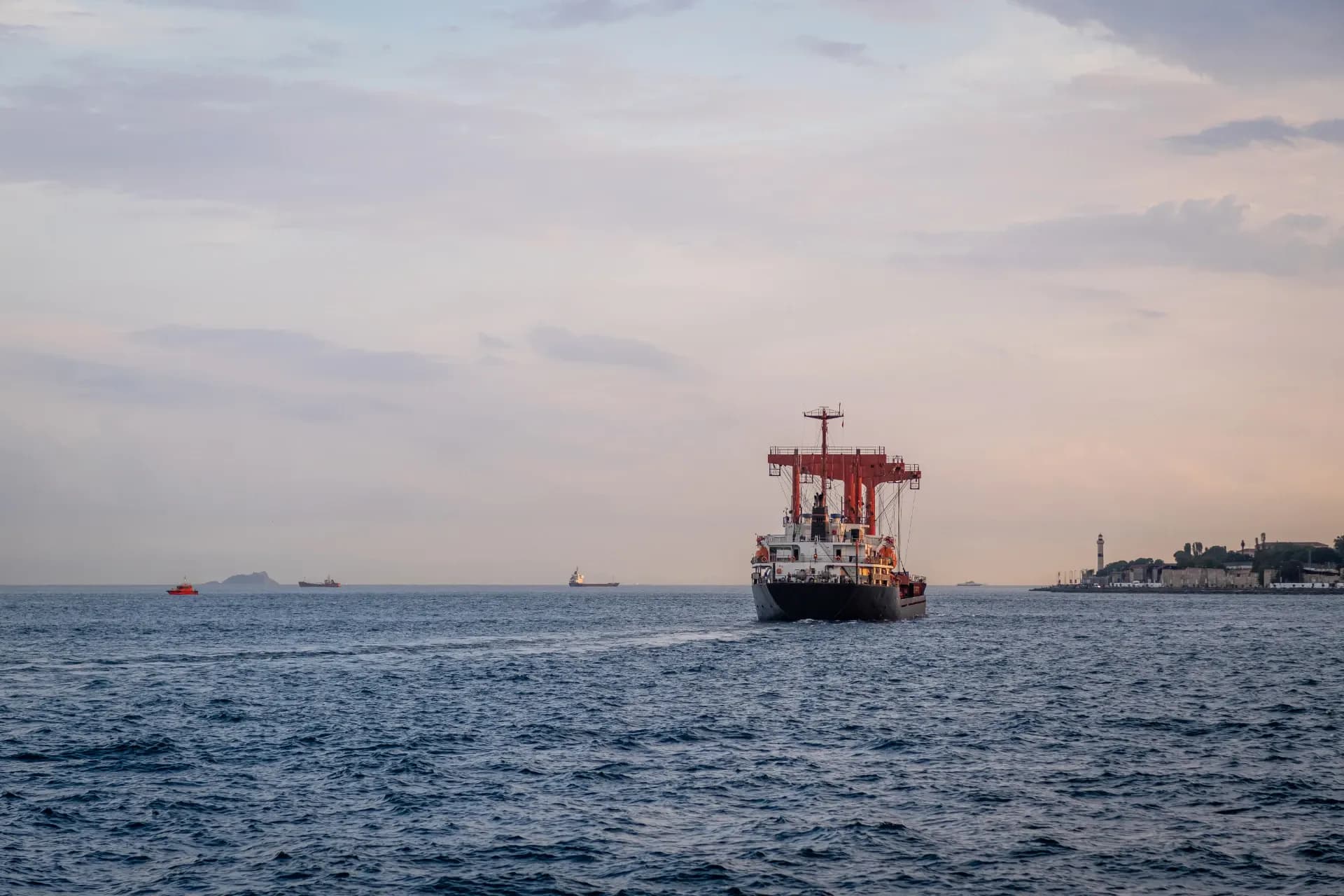
A major search and rescue operation is under way in the Sea of Marmara after a Turkish general cargo ship was struck in the early hours of Wednesday and is now believed to have sunk with all ten of her crew.
The 3,970 dwt Tugberk Imamoglu collided with the 3,338 dwt chemical tanker Alsu about 18 nautical miles south of Silivri, west of Istanbul, shortly after 03.00 local time. Turkish maritime authorities received an emergency signal from the cargo ship's EPIRB at 03.26. The master of the Alsu contacted vessel traffic services at 03.41 to report that his ship had collided with an unidentified vessel at around 03.15.
Repeated attempts to reach the Tugberk Imamoglu and her ten crew by radio and telephone have failed, and the authorities now believe the ship has gone down. Fourteen search and rescue units, a helicopter and the Alsu herself are involved in the operation. Survival equipment belonging to the missing vessel has been recovered from the water, including her free-fall lifeboat, but no crew members had been found.
The Tugberk Imamoglu was built in 1990 and is owned by the Istanbul company Zeybe Denizcilik. She was on passage from Iskenderun towards Karadeniz Eregli, a routine coastal run along Turkey's own seaboard rather than an international voyage. The Alsu, built in 2021 and owned by Ozpulathane Deniz Tasimaciligi, was travelling from Kocaeli to Aliaga. Initial inspections of the tanker found no visible damage, and she remained on scene as part of the response.
The Sea of Marmara carries the whole of the traffic moving between the Black Sea and the Mediterranean through the Turkish straits, and the approaches west of Istanbul are among the busiest stretches of confined water anywhere. A general cargo ship of under 4,000 dwt is a small target in that traffic at night, and the loss of communications immediately after the impact left rescuers working from the EPIRB position and the tanker's account of where the collision took place.
The recovery of an unoccupied free-fall lifeboat is a difficult signal for the search. On a ship of this size the free-fall boat is the primary means of abandonment, and its presence on the surface without the crew narrows the likely sequence of events considerably.
Ships in this story