Thai Owner Receives 11 Million Dollar War Risk Payout For Hormuz Casualty
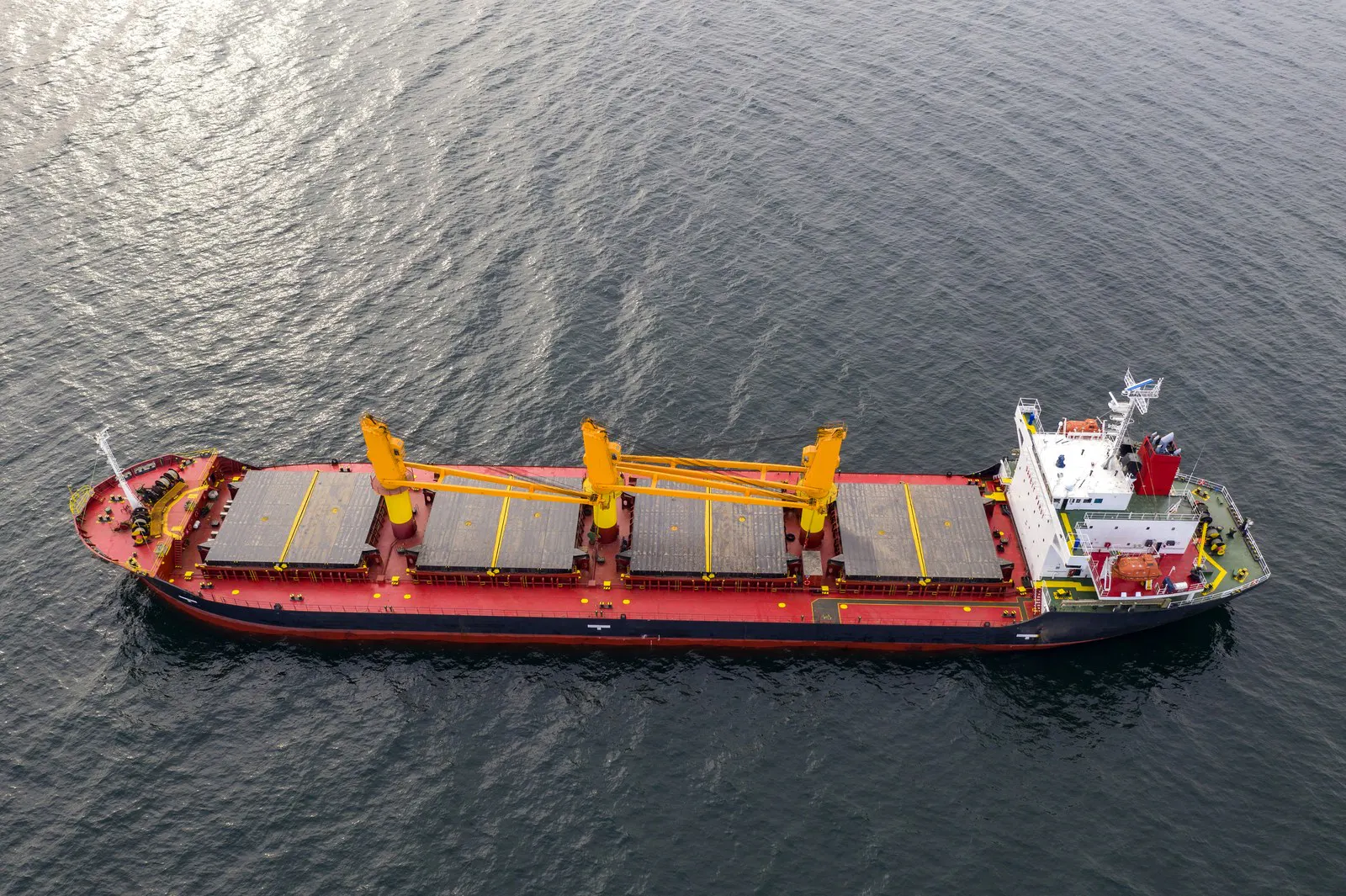
The Thai owner Precious Shipping has received 10.98 million dollars in war risk insurance payments following the loss of a bulk carrier attacked in the Strait of Hormuz in March, in one of the few cases where the financial consequences of the campaign against shipping in the strait have been disclosed in detail. Three of the twenty-three crew died.
The vessel was struck by two projectiles on 11 March shortly after transiting the strait, while sailing from an anchorage at Dubai to a port in Gujarat. The attack caused a fire and damaged the engine room. Twenty crew were rescued and evacuated to Oman before repatriation to Thailand; three believed trapped in the engine room were later confirmed dead. The ship subsequently grounded off Iran's Qeshm Island on 27 March, where she has remained, and has been declared a constructive total loss. War risk underwriters are seeking to sell her on an as-is, where-is basis with the proceeds going to the insurers.
The payment breaks down in a way that is rarely visible from outside. The company said the sum covered the loss of the vessel and statutory compensation for the crew, and that it had incurred 1.26 million dollars of expenses relating to the incident. On an earnings call on 7 August it said the payout included the ship's full insured value of 9.5 million dollars, together with compensation paid to the families of the three who died and expenses and contractual payments relating to the twenty survivors.
That arithmetic is the uncomfortable part. The hull was insured for 9.5 million dollars, and everything owed to three dead seafarers' families and twenty survivors fits inside the remaining 1.48 million. Those are the statutory and contractual figures rather than a measure of what anyone thinks the losses were worth, and they are what the international framework produces when a ship is destroyed by hostile action.
Three surviving crew filed a claim on 10 July at a labour court in Bangkok naming the company, two affiliates and the master, alleging negligence in ordering the vessel to transit the strait during the conflict. The company said it had consistently acted in compliance with applicable law, contractual obligations and internationally accepted maritime practice, and did not expect the claim to affect its results for the period. Seventeen of the twenty survivors have returned to work. A second company vessel remains in the Gulf, fixed on a charter in June but unable to leave.