Tara Polar Station sets off on first long-term Arctic drift
The French floating research base departs Lorient for a multinational mission expected to keep it trapped in pack ice for up to 500 days
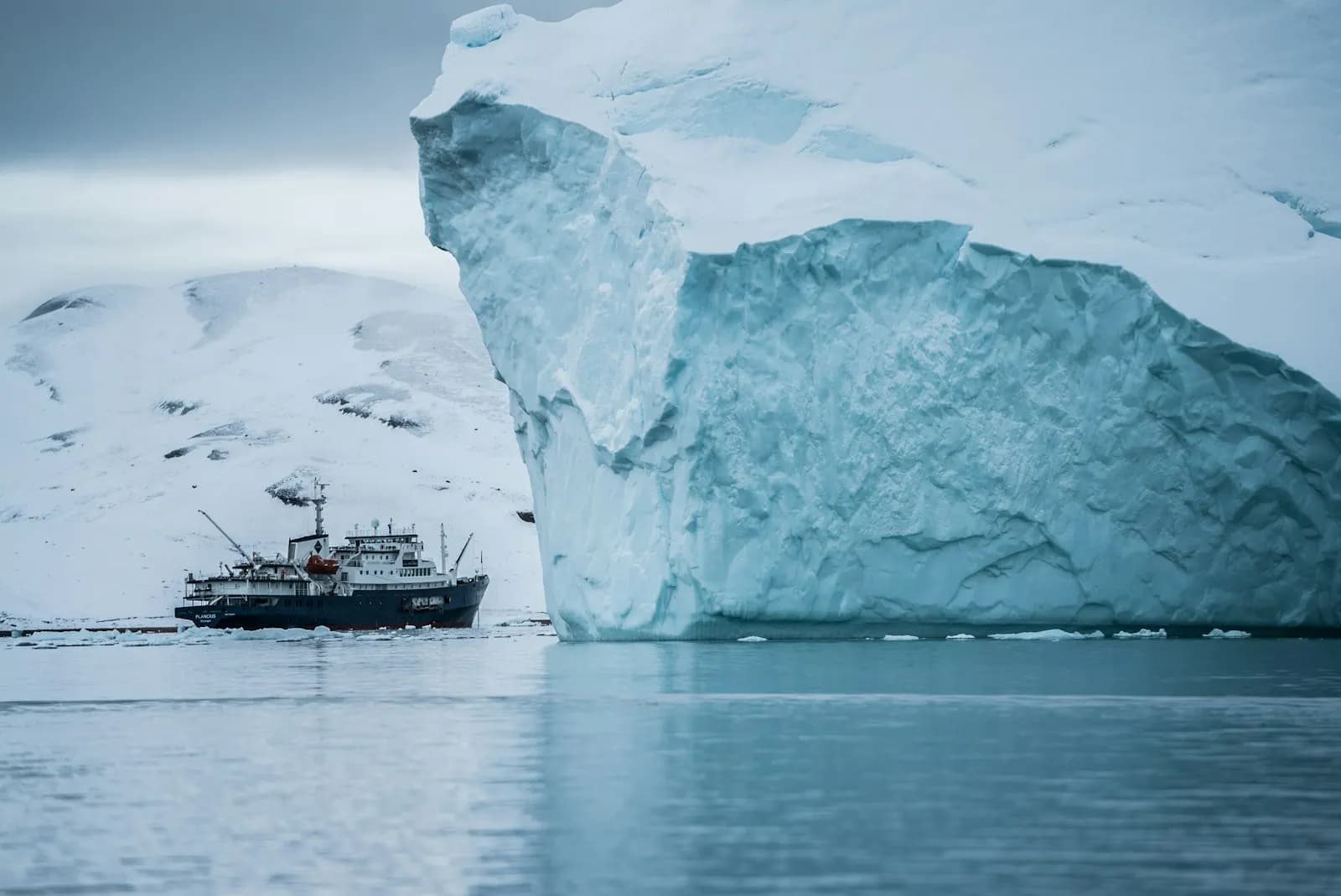
Tara Polar Station, a purpose-built French drifting research base, has begun its first long-term Arctic drift, departing Lorient on a multinational scientific mission across the Arctic Ocean involving researchers from twelve countries. Operated by the Tara Oceans Foundation, the vessel is designed to study biodiversity and climate change while frozen into the polar pack ice for an extended period.
The station was built in Cherbourg between 2023 and 2025 following five years of design work, and was christened in Lorient in April 2025. Its origins trace back to an earlier Arctic expedition carried out by the schooner Tara between 2006 and 2008, which laid the groundwork for the far larger dedicated research platform now setting off on its own multi-year mission.
Designed to operate in temperatures as low as minus 52 degrees Celsius, the vessel measures 26 metres in length and 16 metres in width, with an aluminium hull and a moon pool used for underwater sampling with remotely operated and autonomous vehicles. It can accommodate a crew of up to twenty people in summer and twelve in winter, spread across four internal levels that include laboratories, cabins, a galley and an engine room, with power drawn from solar panels, a wind turbine and biodiesel generators.
The station was tested in ice conditions during an expedition last year, sailing from Longyearbyen in Svalbard alongside a German research vessel to assess its performance before the current long-term mission began. On this drift, the vessel is expected to become trapped in pack ice in early September and remain frozen in for between 350 and 500 days, drifting slowly along the Transpolar Drift route toward the Fram Strait, with completion planned for late 2027.
The mission follows a well-established Arctic tradition of ice-locked drift expeditions, echoing the route once taken by Fridtjof Nansen's Fram more than a century ago as well as Soviet, Russian and more recent international drifting stations. Organisers describe the coming voyage as the first of at least ten planned expeditions along the same corridor, positioning Tara Polar Station as a recurring platform for Arctic climate research in the years ahead.