Tanker burns off Khasab as October becomes the worst month for Hormuz attacks
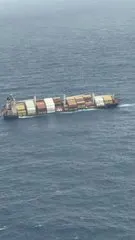
A passing master saw the unidentified tanker on fire and mostly submerged nine miles north of the Musandam port
A tanker was reported on fire about nine nautical miles north of Khasab, at the northern tip of Oman's Musandam Peninsula, at about 03:00 UTC on 29 October. UK Maritime Trade Operations received the report from the master of a passing Panama-flagged tanker, who described the vessel as burning near the midpoint of the Strait of Hormuz. The status of the crew is unknown.
Maritime security firm Vanguard Tech said the tanker had been hit by a projectile and was "mostly submerged", with a third ship nearby and possibly assisting. UKMTO has not independently confirmed a projectile strike or a sinking, and the ship's name, flag, owner and cargo have not been established. The same waters claimed the bulk carrier Cape Dao, which sank after being struck off Khasab in September, and the containership GFS Pride was lost in the strait earlier this month.
How bad has October been?
Noam Raydan, a researcher at the Washington Institute for Near East Policy, has counted 30 Iranian attacks on shipping since 1 October, the fastest pace since the conflict began on 28 February. Most were in and around the strait, but strikes have reached as far north-west as Iraq and as far south-east as Oman. The institute, which has tracked maritime security incidents since 2017, had already recorded 28 attacks in October by the 23rd, the highest monthly figure in its records, and 113 since the war began.
The IMO counts 121 confirmed maritime incidents across the Middle East this year as of 27 October, with 24 seafarers killed. UKMTO had logged 135 conflict-related incidents by 16 October; its reporting is voluntary and the totals differ by method. A review of IMO and AIS data found more than 30 VLCCs damaged since February, 11 of them in October, about 3.5% of the world fleet. Greek consultancy Marisks counted a dozen ships attacked between 5 and 11 October, the highest weekly total of the conflict.
Traffic remains thin. IMF PortWatch recorded four transits of the strait on 18 October, against a prewar average of about 85 a day. Five more seafarers died after an attack on Honour 25 off Somalia, whose survivors were rescued on 29 September.
What other ships have been hit?
On the night of 17 to 18 October the workboat JIF Barracuda, towing a tug from Sharjah to Muscat with five volunteer crew, was damaged by unidentified objects. Her master was slightly injured and the boat lost all navigation equipment, but the Omani Coast Guard escorted her to Khor Fakkan the same morning. Jifmar Group said the transit had been coordinated with the authorities.
US Central Command says more than 3,000 commercial ships have transited the strait with its support in the past six months and that Gulf partners have exported more than 1.5 billion barrels of crude since the summer. Its commander, Admiral Brad Cooper, flew over the strait on 25 October and said the primary transit routes "remain free and clear of Iranian sea mines".
This story is part of the Maritime Briefing of 30 October 2026.