Subsea Cable Breaks Off Western Australia Prompt Calls For Investigation
Breaks in two international telecommunications cables off Western Australia have prompted calls for a formal investigation, after analysis of vessel movements in the area raised the possibility that the damage was not accidental. The affected links are two branches of the same cable system connecting Australia towards Southeast Asia, and the faults occurred over a period in the second week of August, with the precise timing still imprecise in public accounts.
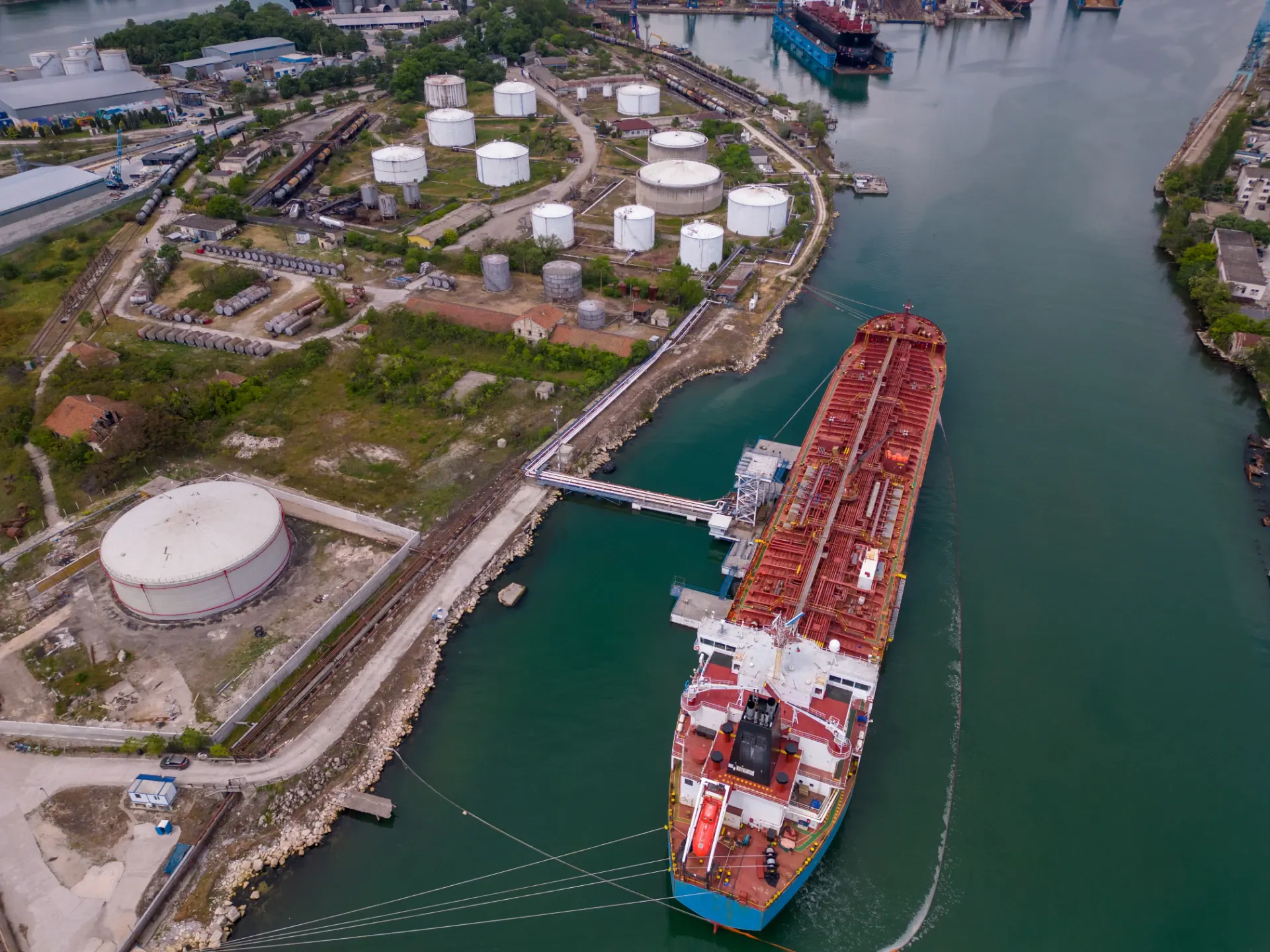
What has been published is an automatic identification system track, with the vessel's identifying details deliberately withheld, showing a ship moving in a pattern across the cable route that the analyst who released it considered inconsistent with normal passage. Reporting has described the vessel as a product tanker under management in the United Arab Emirates. No name, registration number or flag has been published anywhere, and no vessel has been photographed. Nothing has been attributed to any ship, company or state.
The Australian federal police have confirmed only that a report of crime has been received and is being assessed, which is the earliest and most non-committal stage of any such process. That is a long way from an accusation, and the gap should be respected. Anchors drag, fishing gear snags and cables fail for reasons that have nothing to do with intent; the seabed is a busy place and cable faults are routine enough that repair ships are kept on standby around the world as a matter of course.
What has changed is the interpretive frame rather than the frequency of the events. A series of cable breaks in the Baltic Sea and around Taiwan over the past two years, some of which were followed by the detention of vessels found to have been dragging anchors across the route, has established a template that observers now apply quickly. The consequence is that an ordinary fault in a sensitive corridor attracts scrutiny it would not have drawn a few years ago, and the burden of demonstrating innocence has quietly shifted onto passing tonnage.
The strategic anxiety underneath is real regardless of what caused these particular faults. Australia's international connectivity depends on a small number of cables landing at a small number of points, and the routes converge as they approach the coast. Repair capacity in the region is limited and a single vessel may take weeks to reach a fault and complete a splice. That combination of concentration, remoteness and slow repair is what makes the infrastructure attractive to interfere with, and it is why an unattributed fault now generates a security response rather than a maintenance one.