ST Engineering launches second multi-role combat vessel for Singapore Navy
The Victory-class MRCV Valour will act as a mothership for unmanned systems and is due for progressive delivery from 2028
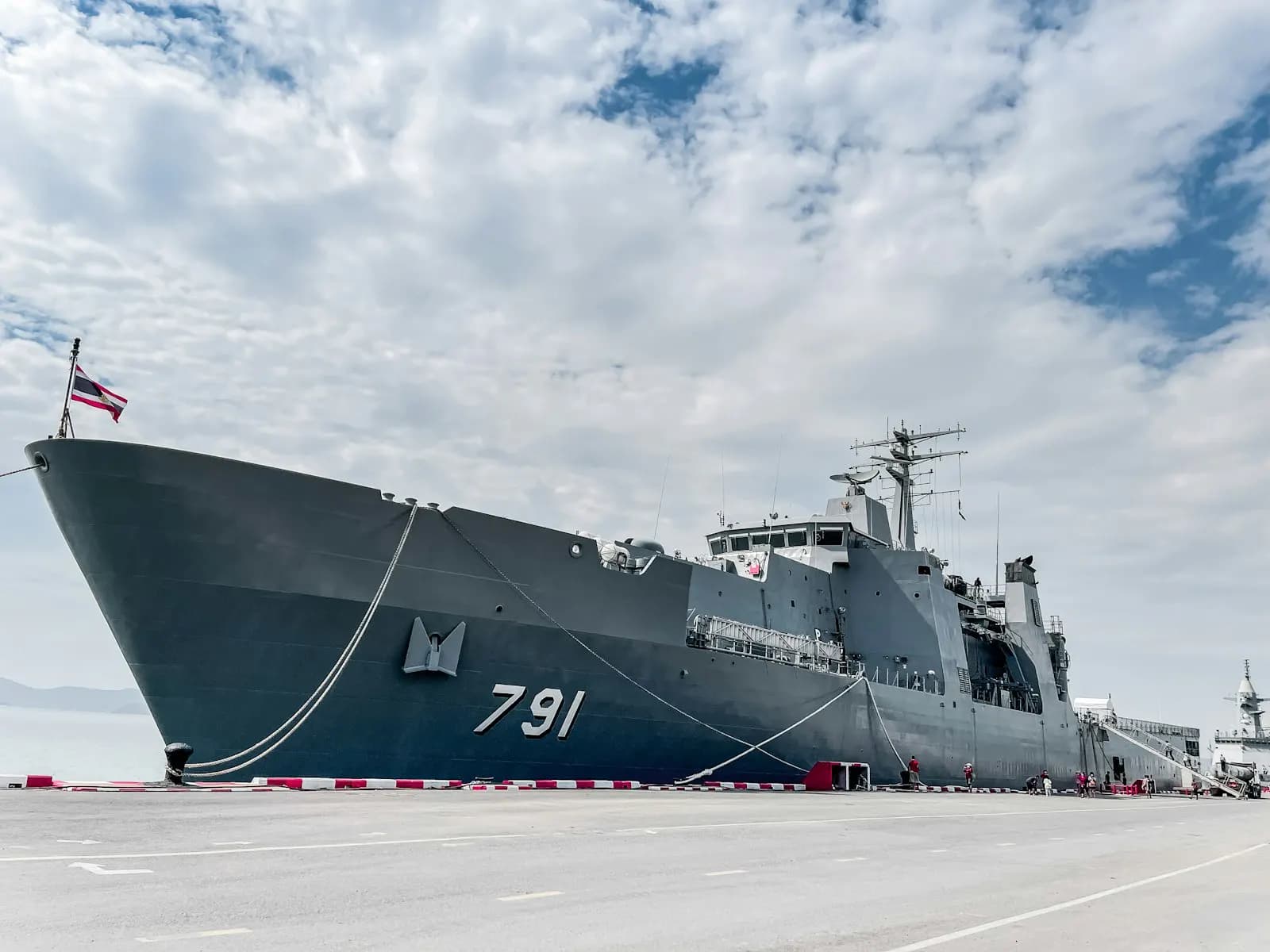
Singapore's Ministry of Defence has held the launch ceremony for the second Victory-class Multi-Role Combat Vessel for the Republic of Singapore Navy, named Valour, at ST Engineering's shipyard, with senior defence officials and military leaders attending the event. The vessel is the second of six such ships planned for the navy, designed to function as a mothership for unmanned aerial, surface and underwater systems in support of a wide range of naval operations.
At 150 metres in length and with a displacement of around 8,000 tonnes, the new vessel is designed for an operational range exceeding 7,000 nautical miles, roughly twice that of Singapore's existing Formidable-class frigates, with an endurance of more than three weeks at sea. Officials said the ship's ability to deploy and control unmanned surface, aerial and underwater vehicles will extend its surveillance and operational reach across air, surface and underwater domains, allowing a single vessel to carry out missions that would otherwise require multiple manned warships.
The vessel is equipped with advanced sensors and weapon systems intended to allow it to conduct high-end warfare while also functioning as a command ship, supported by an indigenously developed combat management system that incorporates advanced decision-support capabilities. Its design also allows for reconfiguration through containerised mission modules, giving it flexibility to support humanitarian assistance and disaster relief operations alongside its combat role, including the ability to accommodate deployable medical facilities within its mission bays.
Designed with significant growth margins and advanced automation, the vessel's bridge and engineering control centre require considerably smaller crews than comparable systems on older warships, reflecting a broader push toward more efficient crewing as navies look to operate larger, more capable vessels without proportionally larger crews. The ship will now undergo outfitting, systems integration and acceptance trials, while its future crew begins training ahead of entering operational service.
The vessels will progressively replace Singapore's existing Victory-class missile corvettes from 2028 onwards, with the new ships retaining the names of the vessels they replace as a mark of continuity, underscoring the programme's role as a significant milestone in Singapore's naval modernisation and domestic shipbuilding capability.