Spain Arrests Ten Smugglers Who Opened Fire on a Customs Patrol Boat
Six tonnes of hashish and a support vessel seized three days after the chase off Huelva
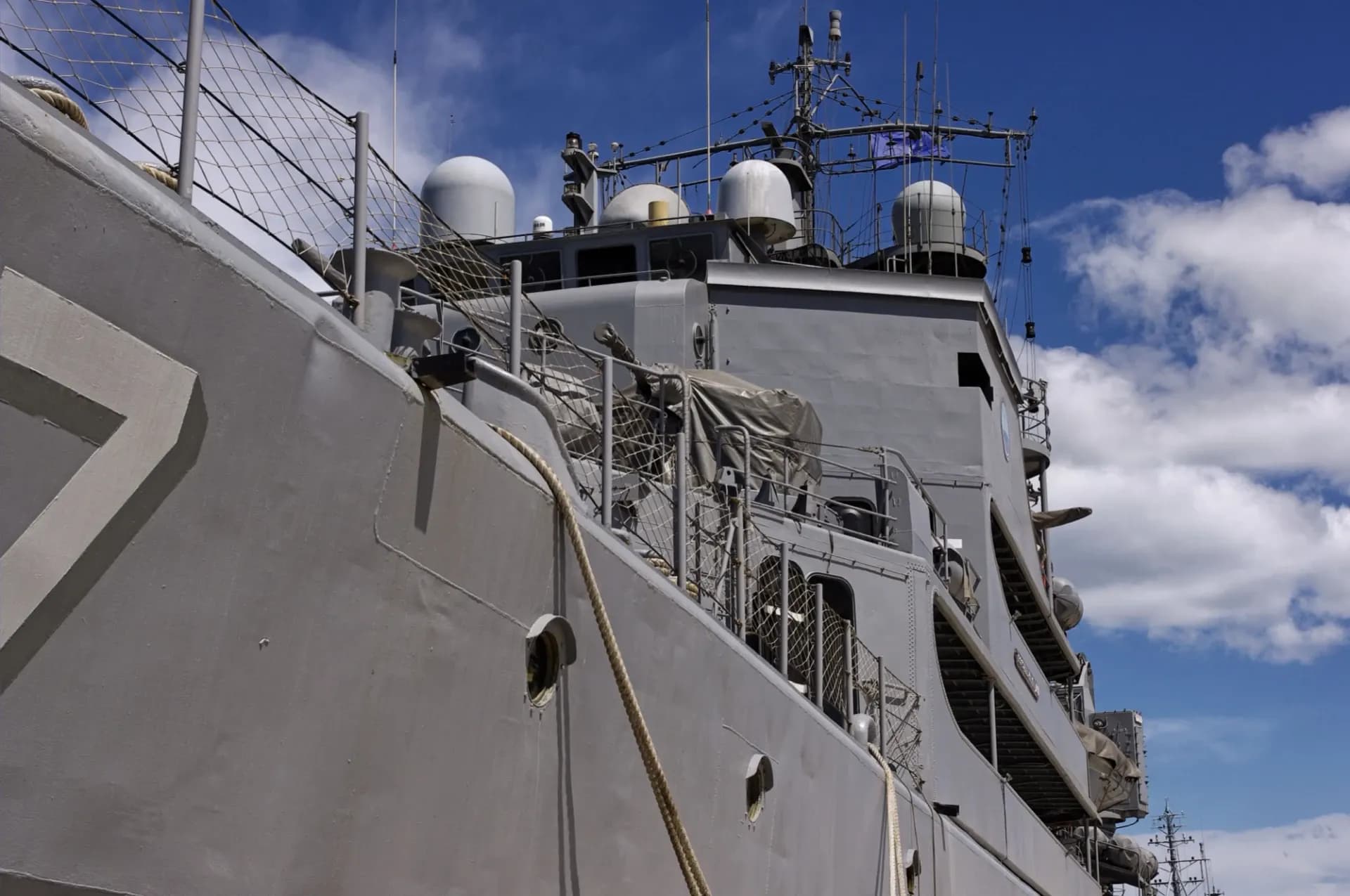
Spanish forces have intercepted and arrested ten smugglers who opened fire on a patrol vessel off Huelva, the latest encounter between the speedboat drug runners of the Andalusian coast and Spain's law enforcement authorities.
On the night of 17 August, a patrol boat operated by Spain's Customs Surveillance Service picked up the trail of a suspected narco-trafficking boat off Huelva. The boat began manoeuvring hard and throwing bales of drugs over the side, endangering the customs boat and its crew. The suspects then opened fire on the pursuit craft. Customs officers returned fire and wounded one smuggler, but had to break off the chase because of a mechanical problem.
The suspects dropped their wounded companion on a beach near Cadiz, where he was arrested and taken to hospital in Puerto Real for treatment. The remaining nine left the scene.
After daybreak the Guardia Civil launched a large-scale search for the suspect vessel. They located it, tracked it and captured the nine crew aboard on 20 August, along with six tonnes of hashish and a second vessel serving in a support capacity, neither craft carrying AIS or any other identification.
The case could have ended far worse. Agents of the Aduanas and the Guardia Civil have been killed in pursuit of smugglers in recent years. Two officers died in a collision when a quad-engine smuggling boat ran over a small police launch at Barbate in 2024, and two more were killed in a collision between two patrol boats mid-chase in May 2026.
The high-speed chases carry a further, less visible risk for both pursuers and pursued. A growing body of research indicates that the repeated slamming involved in small-craft operations in rough conditions, such as high-speed impact with ocean swells, can leave boat operators with concussion symptoms and significant cumulative effects over time, comparable to the pattern documented in combat veterans exposed to blast and in contact-sport athletes. For coastal enforcement agencies running fast interception fleets, that finding turns a tactical capability into an occupational health question that has yet to be addressed in crewing or rotation policy.