Solstad Books Construction Vessel For Six Years Of West African Subsea Work
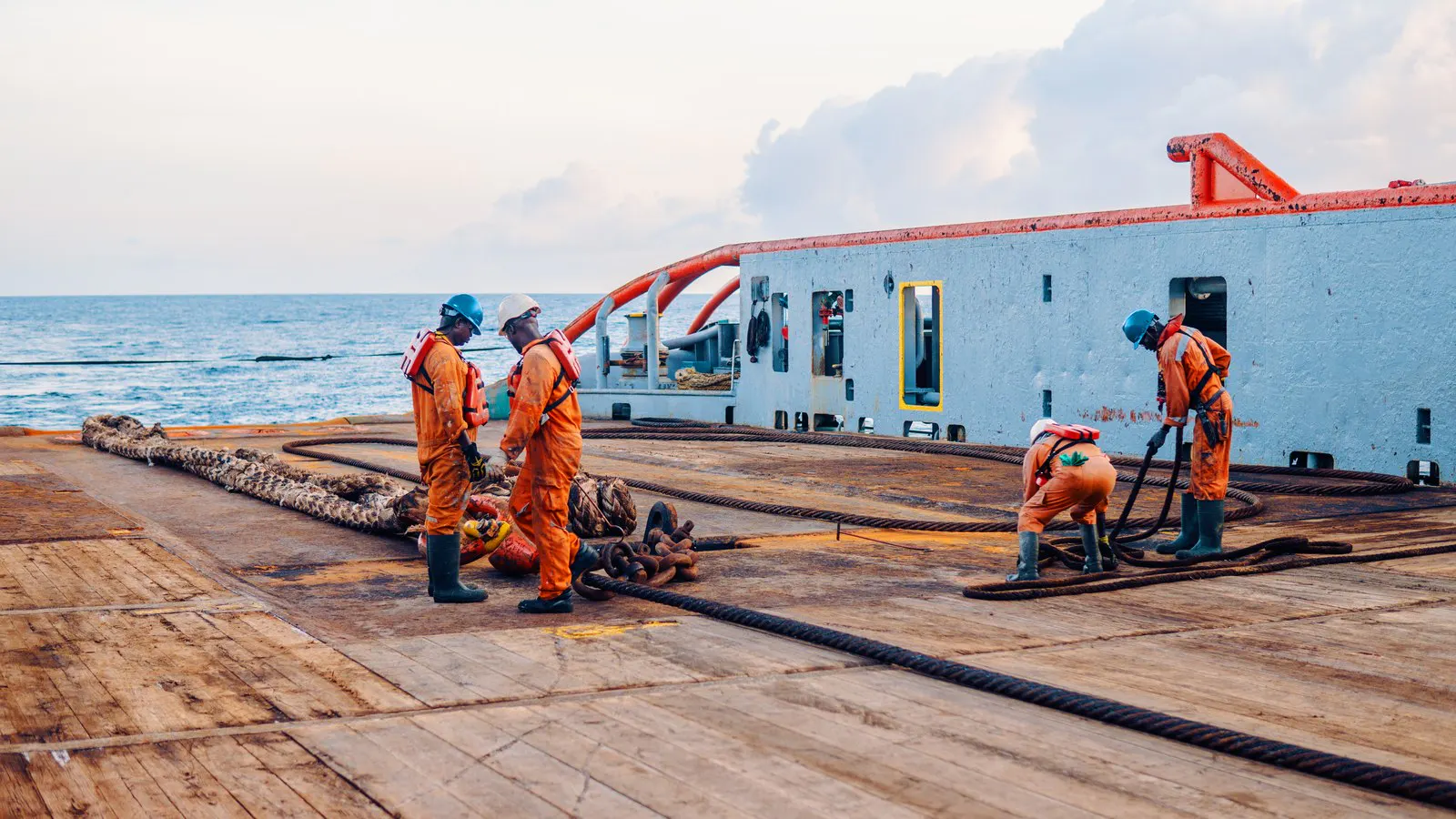
Norwegian offshore vessel owner Solstad Maritime has signed a letter of intent with an undisclosed client for the construction support vessel Normand Cutter, covering three firm years with a further three years of options. The contract will commence either in the fourth quarter of this year or in the first quarter of 2027, and the commercial terms remain confidential.
The vessel will support subsea operations in West Africa. Beyond the hull itself, Solstad will provide two work-class remotely operated vehicles complete with manning, tooling, survey services and project personnel, drawing on support from a specialist subsea partner. That scope makes the award an integrated services contract rather than a straightforward time charter, which typically carries better margins and a closer working relationship with the client than bareboat or spot hire.
Built in 2001, the Normand Cutter is a large construction unit fitted with a 300-tonne active heave-compensated crane and a working deck of roughly 1,600 square metres. Active heave compensation is what allows a crane to place heavy subsea structures accurately on the seabed while the vessel moves in a swell, and the combination of that lifting capacity with substantial deck space is the reason vessels of this generation continue to find work in fields that were developed long after they were delivered.
A firm three-year term with three years of options is unusually long by the standards of a market that spent much of the past decade trading offshore construction tonnage on short campaigns and single-project awards. Contracts of that duration transfer utilisation risk from the owner to the charterer and give the owner a predictable revenue stream against which to plan maintenance, upgrades and crewing, which in turn tends to support asset values across the segment.
West Africa has been one of the more active regions for subsea construction work as operators progress deepwater developments and tie-backs to existing infrastructure off Angola, Nigeria and neighbouring states. Much of that activity involves installing and connecting equipment on the seabed rather than drilling new wells, which favours construction vessels with heavy cranes and ROV capability over drilling units. For owners with a fleet of ageing but capable tonnage, the challenge is keeping those hulls compliant and competitive long enough to capture a cycle that has taken years to arrive.
Ships in this story