Six Killed As Missiles Strike Egyptian Cargo Ship Off Mokha
Six people were killed and ten injured when a small Egyptian-owned cargo ship was struck by ballistic missiles off Mokha in the Bab el-Mandeb, in an attack whose second phase hit the rescue effort rather than the vessel. The dead comprise four crew and two Yemeni rescuers.
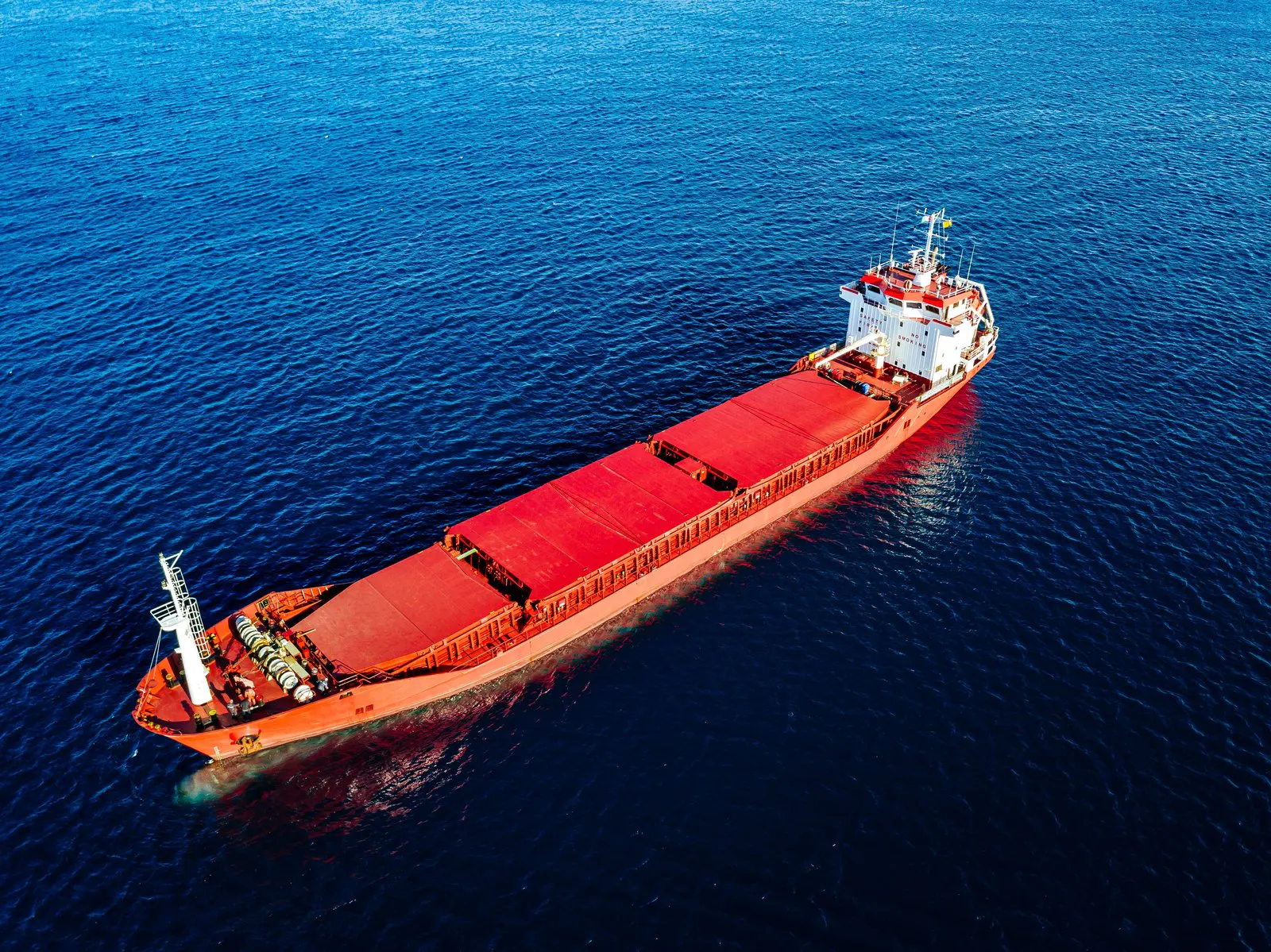
The ship was a Tanzania-flagged multipurpose vessel of 520 deadweight tonnes, built in China in 2024, measuring 63 metres, with eleven crew aboard. The first strike came at around 05:00 local time with three ballistic missiles. A further missile was then directed at the site where rescuers had gathered, and an explosive-laden drone boat was intercepted roughly three hours later. Of those killed, three were Pakistani crew and one Indonesian, alongside the two Yemeni rescuers.
Accounts of what the ship was carrying diverge sharply and cannot be reconciled from available information. Yemen's internationally recognised government describes the cargo as food and commercial goods. The Houthi authorities' news agency says the target was a Saudi military vessel. Unconfirmed reports of military supplies have circulated. No manifest has been published, no operator has been identified, and the vessel's registration number and eventual fate have not been reported.
The casualty figure itself moved during the day, initially reported as three and then four before settling at six, a pattern typical of attacks in the strait where information reaches the outside world through parties with an interest in the count. What is not in dispute is the shape of the attack: a first strike, then a second aimed at the response. Deliberately targeting rescuers is a recognised feature of the drone and missile campaigns of the past three years and it changes the calculation for anyone in the vicinity of a casualty, because the safest course after an attack becomes staying away.
The vessel type is the part the industry should register. This was not deep-sea tonnage transiting under naval escort but a two-year-old coastal ship of 520 deadweight tonnes working the regional trade that supplies Yemen and the Horn of Africa. Ships of that size have no security arrangements, no realistic evasion options and crews without the collective agreements, war-zone terms or refusal rights available on internationally flagged vessels. The corridor's deep-sea traffic has largely rerouted around Africa at considerable cost. The regional fleet cannot, because the trade it serves exists only in the waters now being fought over.