Drone strike damages Suezmax tanker Siren in the Black Sea
Accommodation block hit during a night transit, with no injuries and no pollution reported
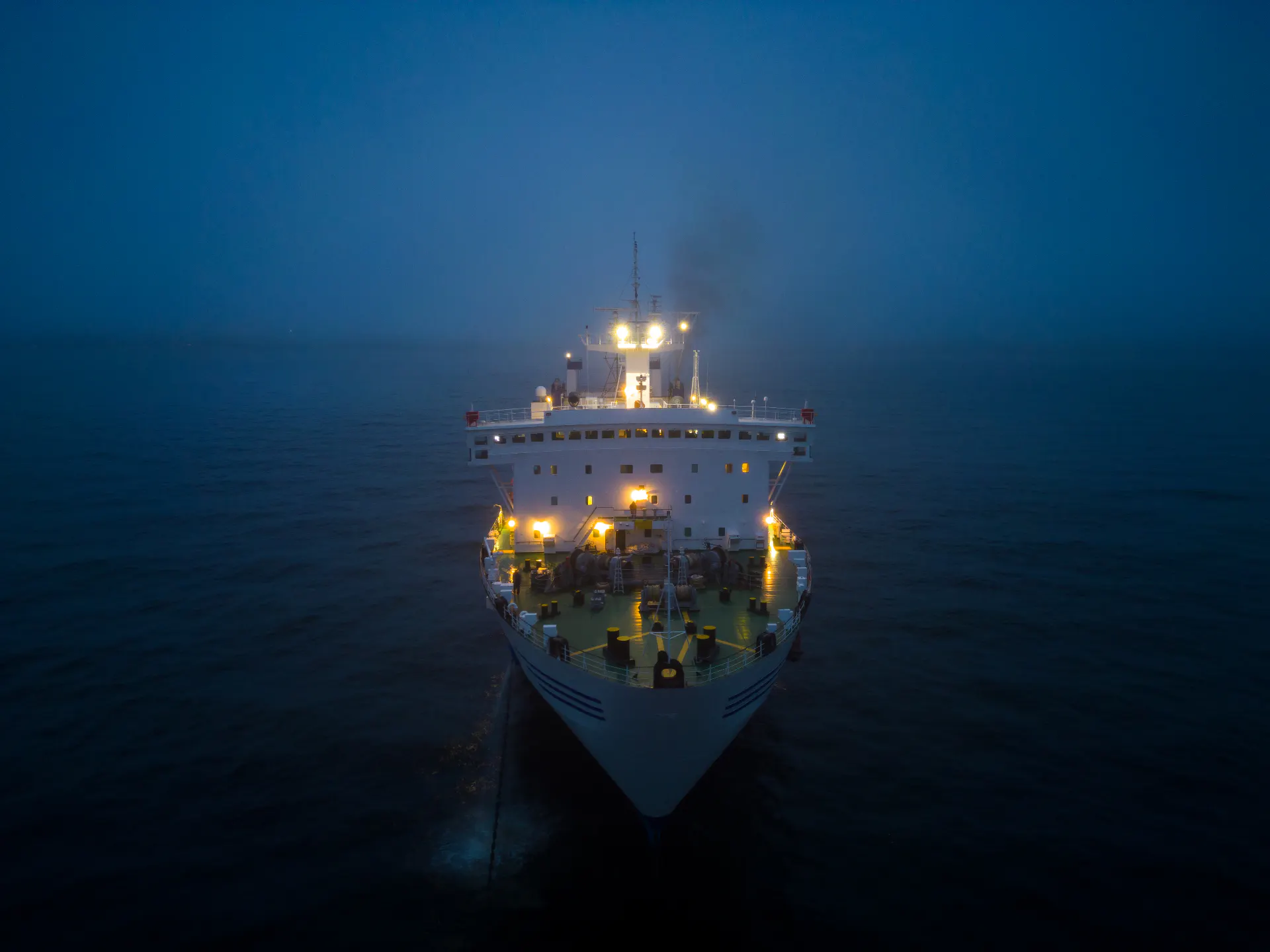
The Liberia-flagged crude oil tanker Siren, under Greek management, was struck by drones during the night of 3 to 4 September while under way in the Black Sea. The vessel sustained damage to her accommodation block, and the condition of the crew and the full extent of the damage remained under assessment.
No injuries have been confirmed. There have been no reports of an oil spill, of fire aboard, or of any need to abandon the ship.
The strike was recorded at approximately 42 degrees 19 minutes north, 36 degrees 45 minutes east, in open water well clear of the Ukrainian and Russian coasts. Maritime security provider EOS Marine assessed the initial information as highly reliable. No group has claimed responsibility and the origin of the drones has not been established.
The Siren is a Suezmax of approximately 158,600 deadweight tonnes, built in 2009 and measuring 274 metres overall. She had sailed from Mumbai and was transiting the Black Sea at the time of the attack.
The damage pattern is the one that has defined this campaign against merchant shipping: a hit high on the superstructure rather than on the cargo block. That spares the tanks and the environment, but it puts the strike where the crew lives and works, and it is the accommodation that carries the bridge, the ship's controls and most of her communications.
For owners trading the basin, the incident narrows the remaining margin of safety. Attacks have moved beyond ships alongside and beyond terminals to vessels on passage, and the risk now attaches to the voyage itself rather than to any single berth. That reading is consistent with the pattern across the wider grain war, in which hulls have been hit in port, at anchor and near offshore energy infrastructure.
War-risk cover for Black Sea calls is priced against exactly this exposure, and each strike on a vessel under way rather than alongside feeds directly into the next renewal.
This story is part of the Maritime Briefing of 11 September 2026.
Ships in this story