Three Sinokor VLCCs hit within 17 minutes off Musandam as Iran blacklists 26 tugs
Bahrain Prosperity, Cameroon Prosperity and Romania Prosperity sailed on; bulk carrier CTI Helen caught fire at anchor
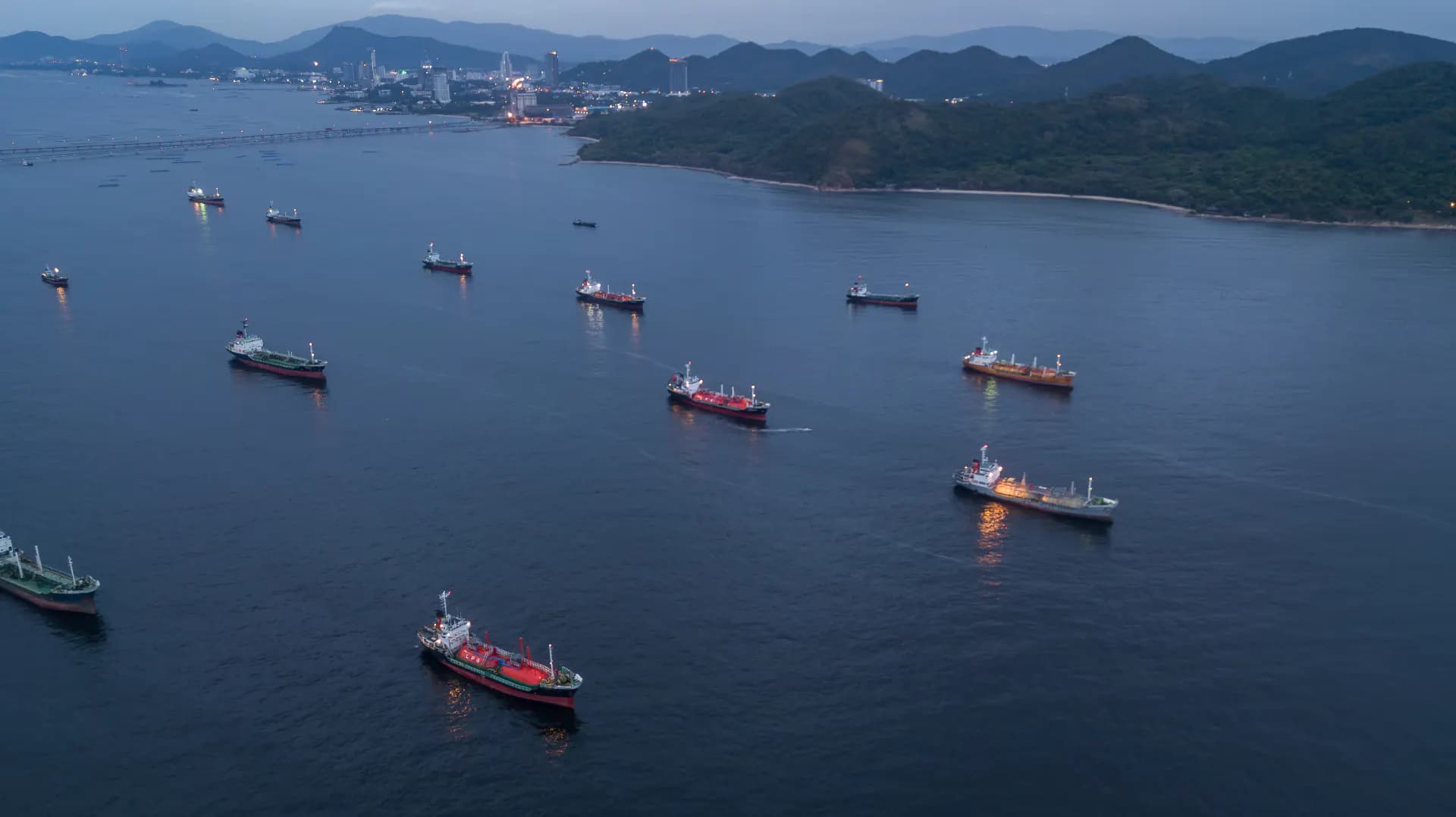
Three very large crude carriers controlled by South Korea's Sinokor were struck by projectiles within 17 minutes of each other as they left the Strait of Hormuz on the night of Sunday 22 November. The three Liberia-flagged ships are Bahrain Prosperity, built in 2012, and the 2007-built Cameroon Prosperity and Romania Prosperity, security firm Vanguard Tech said.
UKMTO first logged the attack as one incident and reclassified it on 24 November as three. The strikes came at 2025, 2032 and 2042 UTC, while the tankers were heading east off the Musandam Peninsula, close enough together to suggest a convoy. Security firm Ambrey put the position about 20.7 nautical miles northeast of Lima, Oman. All three ships continued their voyages and all crew members were accounted for. The extent of the damage is not known.
Why were Sinokor ships hit?
All three VLCCs are on the non-compliance list of Iran's Persian Gulf Strait Authority (PGSA), as is Torkel, which was hit on 21 November. In October the PGSA accused Sinokor of repeated crossing violations and said it would act against the company's entire fleet from 1 November. Sinokor has become the largest player in the crude trade through the strait. ADNOC is the safety manager of Cameroon Prosperity and Romania Prosperity.
The Islamic Revolutionary Guard Corps claimed the three tankers had struck naval mines. That has not been confirmed, and analyst Martin Kelly of Orbital Risk Intelligence said there is still no evidence of mines.
Earlier the same day, at 1026 UTC, the Panama-flagged bulk carrier CTI Helen was hit on her port side while anchored about 23 nautical miles northeast of Khor Fakkan. The projectile started a fire on board. No casualties were reported.
What does the tug blacklist change?
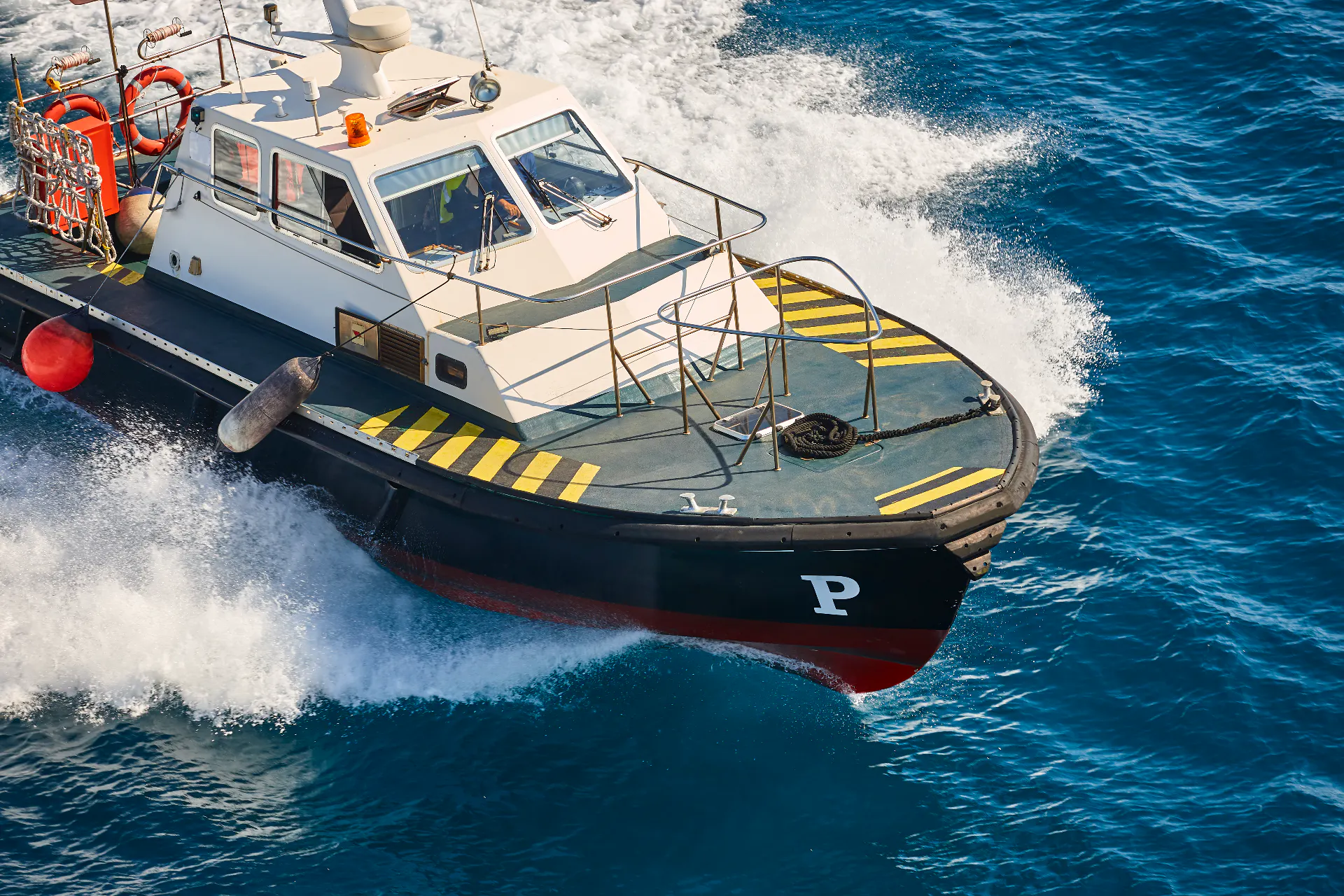
On 24 November the PGSA added 26 tugs to its list, accusing them of serving ships that break its rules in the southern part of the strait. It said vessels and companies that assist non-compliant ships would be listed themselves. Mr Kelly counted 240 ships on the list on 19 November, which would bring the total to 266. The step touches towing and salvage companies at a time when a growing number of ships need assistance after being hit.
The Joint Maritime Information Center had counted seven tankers struck between 16 and 21 November; the three VLCCs bring that to 10. The IMO has confirmed 141 incidents and 25 seafarer deaths in the wider region as of 23 November. US-facilitated transits averaged 38 a day between 19 and 21 November, against about 138 daily transits in 2025, and some 218 ships were stationary at anchorages east of the strait.
The Swedish Club repeated its advice to members on 24 November to avoid the strait unless a passage is operationally essential, and warned that ships waiting at anchor east of Hormuz are also exposed.
This story is part of the Maritime Briefing of 25 November 2026.