Shenghang Yongle Takes the First Class Certificate for Ammonia Bunkering
The converted 5,547 cbm gas carrier can transfer ammonia as fuel while still trading it as cargo
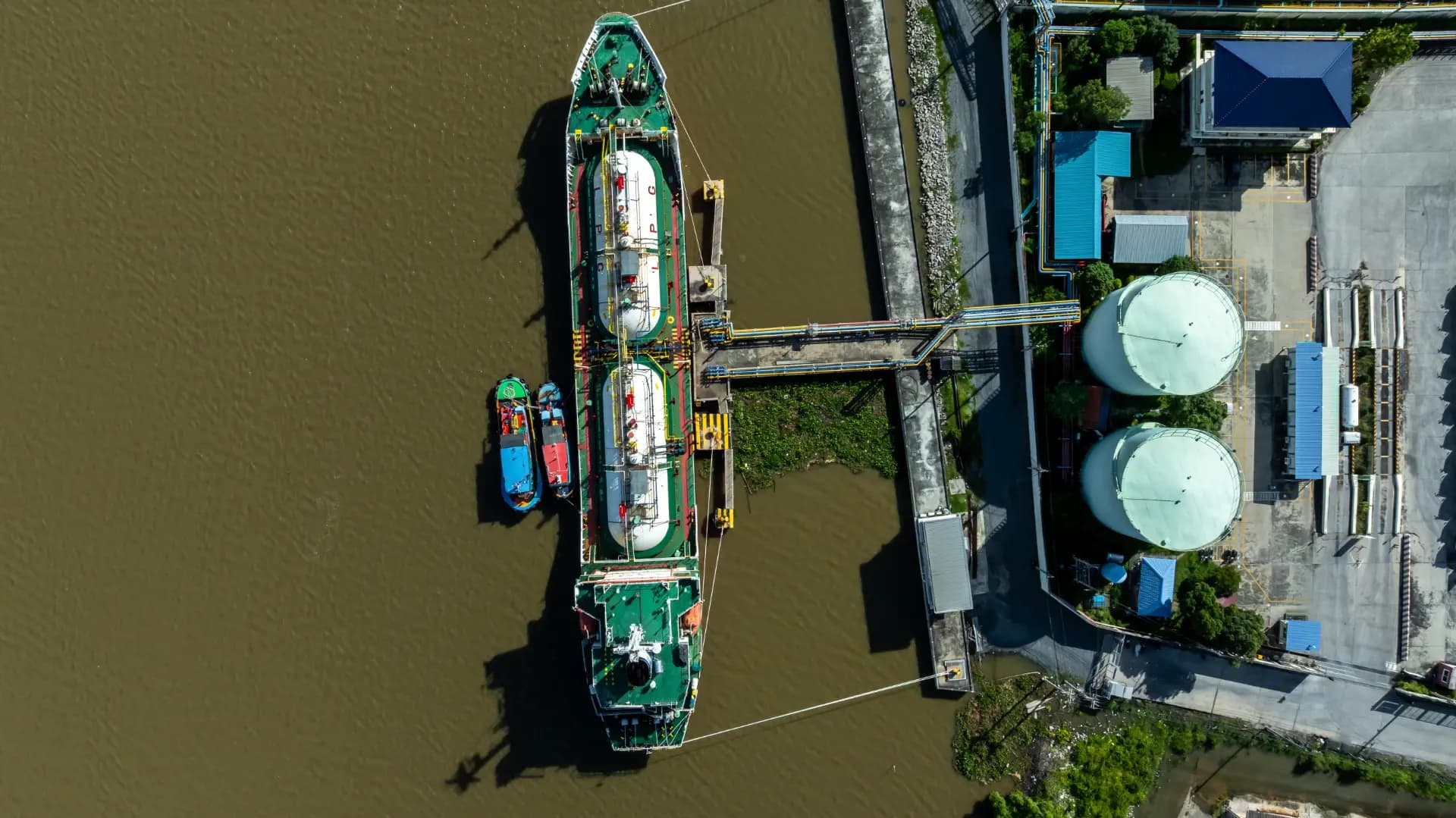
The Chinese-flagged gas carrier Shenghang Yongle has completed a conversion that makes it the first operational vessel classed for ship-to-ship liquid ammonia bunkering, holding the first ammonia bunkering class certificate issued by China Classification Society.
The ship is a semi-refrigerated carrier of 5,546.8 cbm and 4,626 dwt, built by China Merchants Jinling Dingheng Shipbuilding and in service since August 2024. It carries liquid ammonia, LPG and vinyl chloride monomer, with cargo tanks designed for temperatures as low as minus 48C. Jiangsu Andefu Energy Development operates the vessel and Shenghang Shipping manages it.
The conversion keeps the ship in its original trade. Swedish naval architect FKAB Marine Design, which developed the L21 design the vessel was built to, prepared the technical documentation for the work, which allows the carrier to continue moving liquid ammonia as cargo while also transferring it as fuel to other ships. The scope covered the bunkering system itself and the procedures around it: operating instructions, risk assessments and emergency-response arrangements, with specific provision for ammonia toxicity, material compatibility, leak detection and low-temperature operations.
What the certificate does not yet cover is a commercial transfer. Shenghang Yongle has not carried out a ship-to-ship transfer of ammonia fuel, and further commissioning, safety drills and preparation are required before bunkering can start. Commercial green ammonia bunkering services are planned to begin in 2026.
The supply behind that plan is already contracted. Belgian group CMB.TECH holds a minority stake in Andefu and has a long-term agreement covering green ammonia produced in China's Jilin province. Contracted volumes are expected to reach 20,000 to 25,000 tonnes in the first year and 40,000 to 50,000 tonnes a year from the second through the fourth.
Ammonia-capable tonnage has been ordered well ahead of the infrastructure meant to serve it, and a vessel classed to hand the fuel over afloat is one of the pieces that has been missing. The certificate marks that step in class terms; the operational proof is the first transfer, which has still to be made.
This story is part of the Maritime Briefing of 15 September 2026.