Shanghai moves more than 200,000 teu in a single day
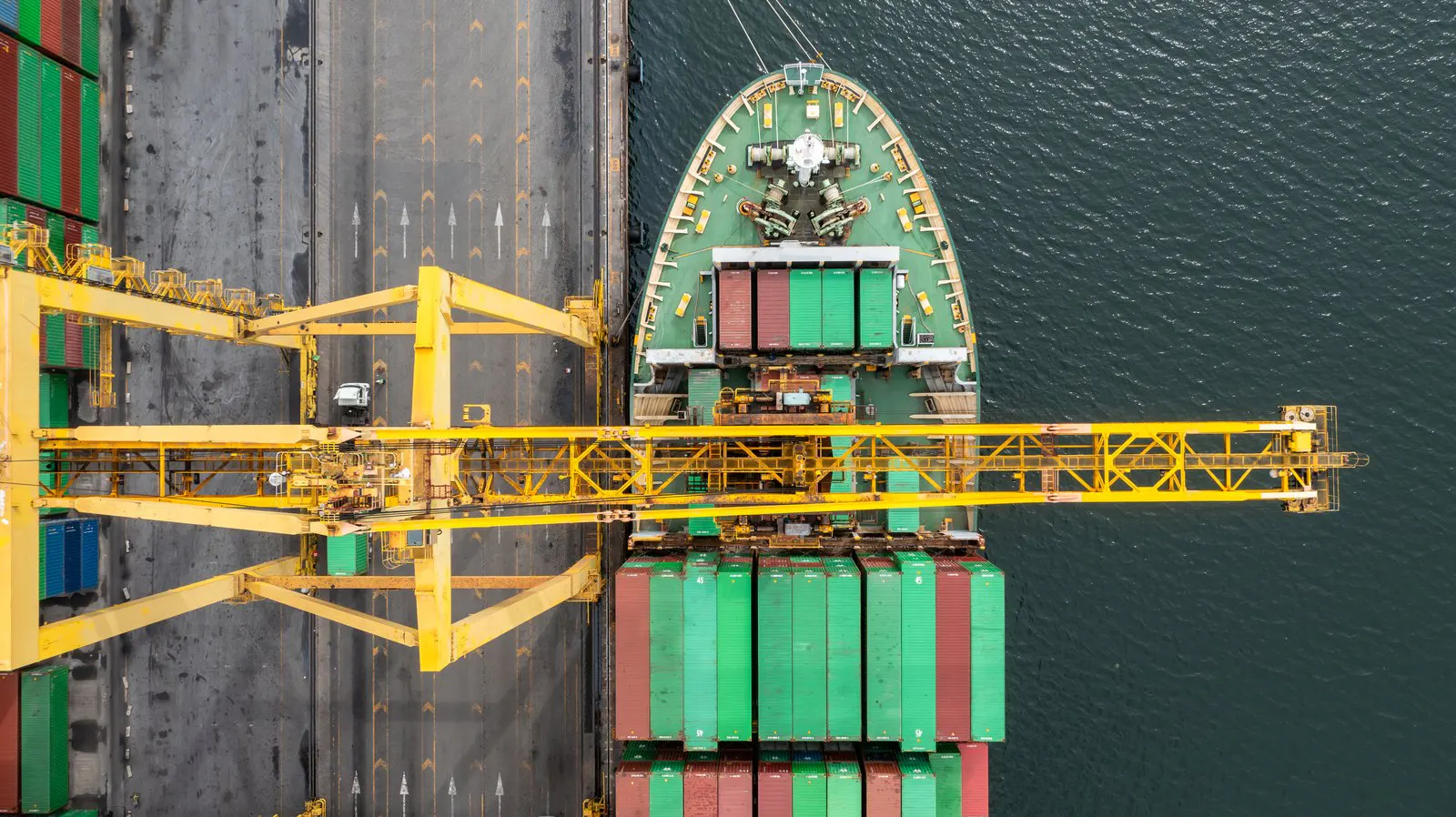
Shanghai has pushed its daily container throughput above 200,000 teu for the first time, handling 203,881 teu on 1 August, around 9% above the previous record of 187,312 teu set on 9 June. A single operating shift accounted for 71,728 teu. The figures come from Shanghai International Port Group, operator of the world's busiest container port.
The scale is easier to grasp by comparison. The volume moved in that one day exceeded the entire 2025 throughput of Denmark's Fredericia Container Terminal, which handled 164,968 teu across the full year, by roughly 39,000 boxes. Yangshan Phase Four, the largely automated deepwater terminal, contributed 29,910 teu on the day, while Luojing Container Terminal moved 8,373 teu.
Part of the record reflects recovery rather than growth. Typhoon Bavi disrupted operations in mid-July, with full working restored on 14 July, and average daily throughput ran at around 172,000 teu through the recovery period as the port cleared the resulting backlog. Ports routinely post their strongest single days immediately after a weather stoppage, when accumulated arrivals and delayed departures are worked simultaneously.
The underlying trend is nonetheless upward. The port handled 28m teu in the first half of 2026, up 6.2% year on year, with Yangshan at 15m teu, up 8.1%. That follows a full-year 2025 figure of 55.06m teu, a rise of 6.9% and a sixteenth consecutive year as the world's largest container port. Growth of that order on a base of this size represents an absolute increase larger than the annual throughput of most European ports.
What the record demonstrates is capacity depth rather than a demand surge. Moving more than 200,000 boxes in twenty-four hours requires quay cranes, yard equipment, gate capacity, rail and barge connections and labour to be available simultaneously without any one of them becoming the constraint, and the automated terminals at Yangshan are what make that possible at the margin. For carriers, a port able to absorb a backlog at this rate reduces the schedule risk that weather disruption would otherwise impose on an entire loop. A stoppage that takes days to clear elsewhere is recovered here within a week, which alters how much buffer a service needs to build into its rotation. That resilience is worth as much to a liner operator as raw annual capacity, because it is the recovery rate rather than the average that determines whether a delayed vessel misses its next port window.