Seven Killed By Toxic Gas At Bangladeshi Ship Recycling Yard
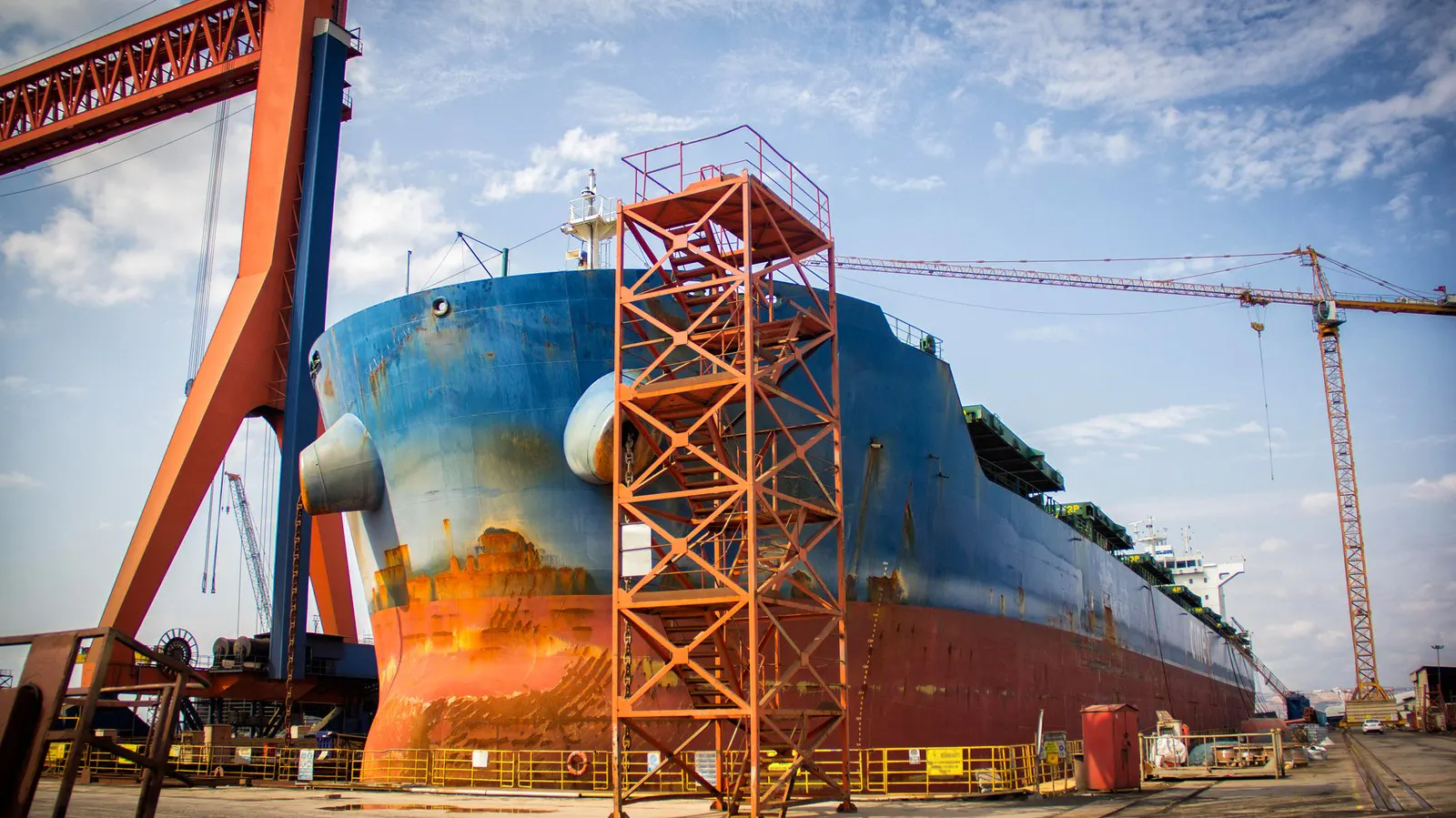
Seven workers have died following a release of toxic gas at a ship recycling yard in Bangladesh, in an accident that occurred on a Friday morning at a facility authorised under the international convention governing safe and environmentally sound ship recycling. Two of the workers died at the scene and the others subsequently.
The detail that the yard held authorisation under the international convention is the most uncomfortable element of the account. That framework was negotiated over many years specifically to raise standards at recycling facilities, requiring inventories of hazardous materials, controlled working procedures and documented plans for each vessel. A fatal accident at a certified yard raises the question of what certification is measuring.
The hazard itself is well understood. Ships arriving for recycling contain confined spaces, residues of cargo and fuel, and tanks that have held hydrocarbons for years. Those spaces generate gases that displace oxygen or are directly poisonous, and they cannot be entered safely without testing, ventilation, monitoring and rescue arrangements. Entry into unventilated spaces is among the most consistently lethal activities in the maritime industry.
What makes such accidents recur is not ignorance of the risk but the economics of the work. Recycling margins depend on the speed at which steel is cut and sold, and every hour spent ventilating and testing a tank is an hour not spent cutting. Where labour is inexpensive and readily replaced, the pressure runs consistently towards proceeding, and the workers bearing the risk are rarely the people setting the schedule.
The wider industry cannot separate itself from this. Shipowners sell vessels for demolition through cash buyers who resell to yards, an arrangement that has historically allowed sellers to disclaim knowledge of where a ship ends up and under what conditions it is broken. Regulators in Europe have tightened the rules for vessels under their flags, and some owners now insist on certified yards. This accident indicates that choosing a certified yard is a necessary condition rather than a sufficient one, and that the auditing behind the certificate deserves more scrutiny than it currently receives. Bangladeshi yards are simultaneously under commercial pressure from a strengthening currency and rising competition from Indian recyclers, which is precisely the environment in which corners get cut. Cost pressure and safety pressure arriving together is the combination that produces accidents like this one.