Saipem wins $930m of Eni work led by Ivory Coast deepwater project
Saipem has secured contracts worth approximately 930 million dollars, or around 800 million euros, from Eni, with the largest element covering the third phase of the Baleine development offshore Ivory Coast. The award consolidates the Italian contractor's position on a project that has become one of the more closely watched deepwater developments in West Africa, and it adds meaningful backlog at a time when offshore construction capacity is tightening across the industry.
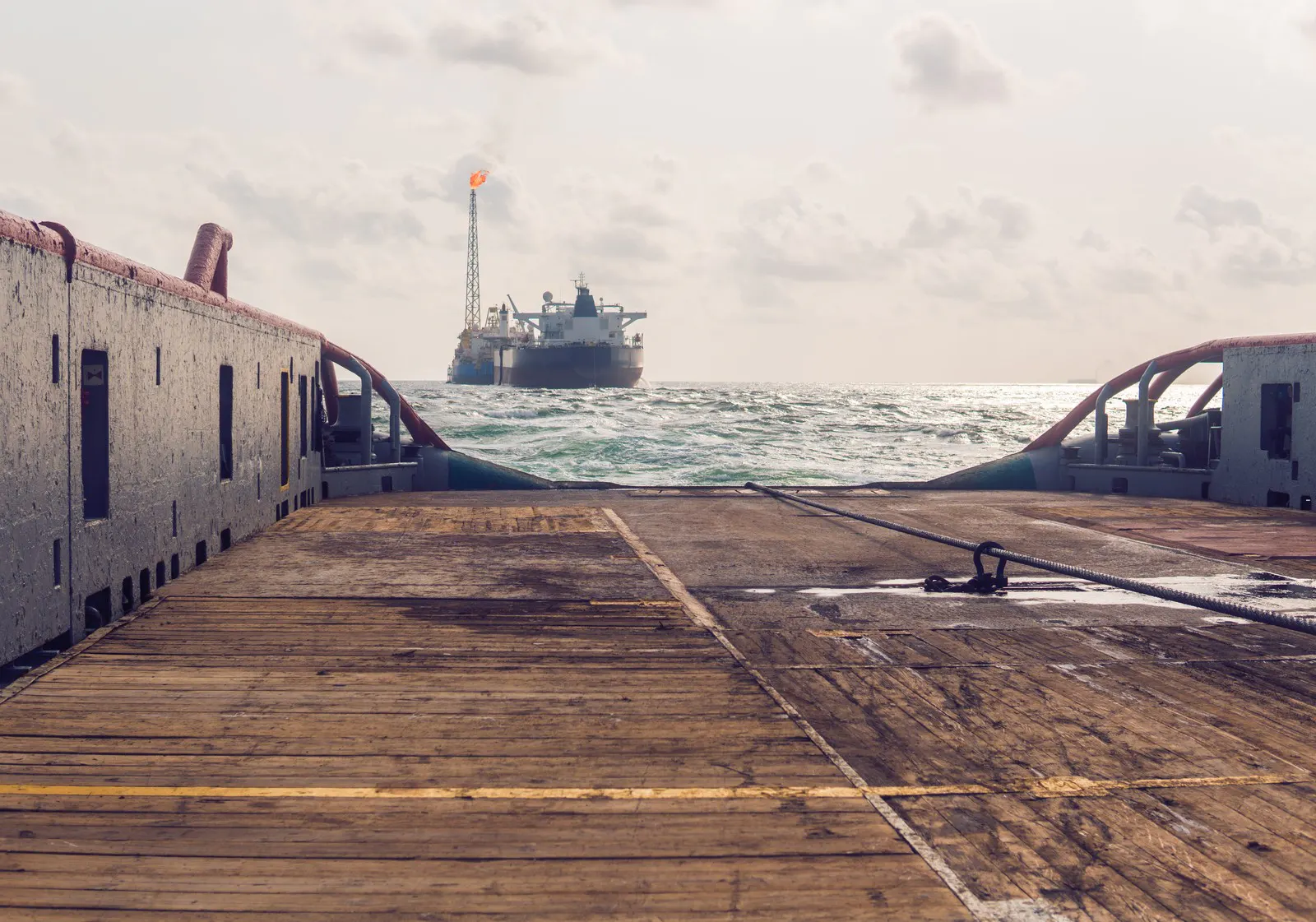
The Baleine Phase 3 scope involves work in water depths reaching 1,300 metres, placing it firmly in the deepwater category and requiring the contractor's higher specification assets. Offshore construction is expected to run for around three years, using the field development ship known as FDS together with the heavy-lift and pipelay vessel SHEN DA. Committing two major units to a single programme for that length of time is a substantial allocation of fleet capacity and points to the scale of the subsea infrastructure involved.
Baleine has been notable for the speed at which it moved from discovery to production, and for the operator's decision to develop it in successive phases rather than waiting for a single large sanction. That approach has allowed early cash flow to help fund later stages, and it has given Ivory Coast an operating offshore hydrocarbons industry considerably faster than the regional norm. The third phase extends the field's production capacity further and deepens the country's position as a gas supplier to its own power sector as well as an oil exporter.
The award package also includes onshore work in Italy, specifically a deoxygenation unit at the biorefinery at Venice operated by the energy group's mobility arm. Deoxygenation is a core step in converting vegetable and waste-derived feedstocks into renewable diesel and jet fuel, and the unit forms part of the continuing conversion of the site away from conventional refining. The inclusion of the job in the same announcement reflects how contractors increasingly straddle upstream construction and energy transition process work.
For the contractor the sequence of awards matters as much as the headline value. Offshore construction firms spent much of the past decade managing shrinking order books and idle tonnage, and the current cycle has reversed that sharply. Multi-year commitments of specific vessels to named projects give visibility on utilisation that was largely absent a few years ago, and they allow the company to be more selective about which additional work it bids for.