Russian Flotilla Returns to the Mediterranean Bound for Tartus
A destroyer and three auxiliaries passed Gibraltar weeks after a reduced basing deal with Syria
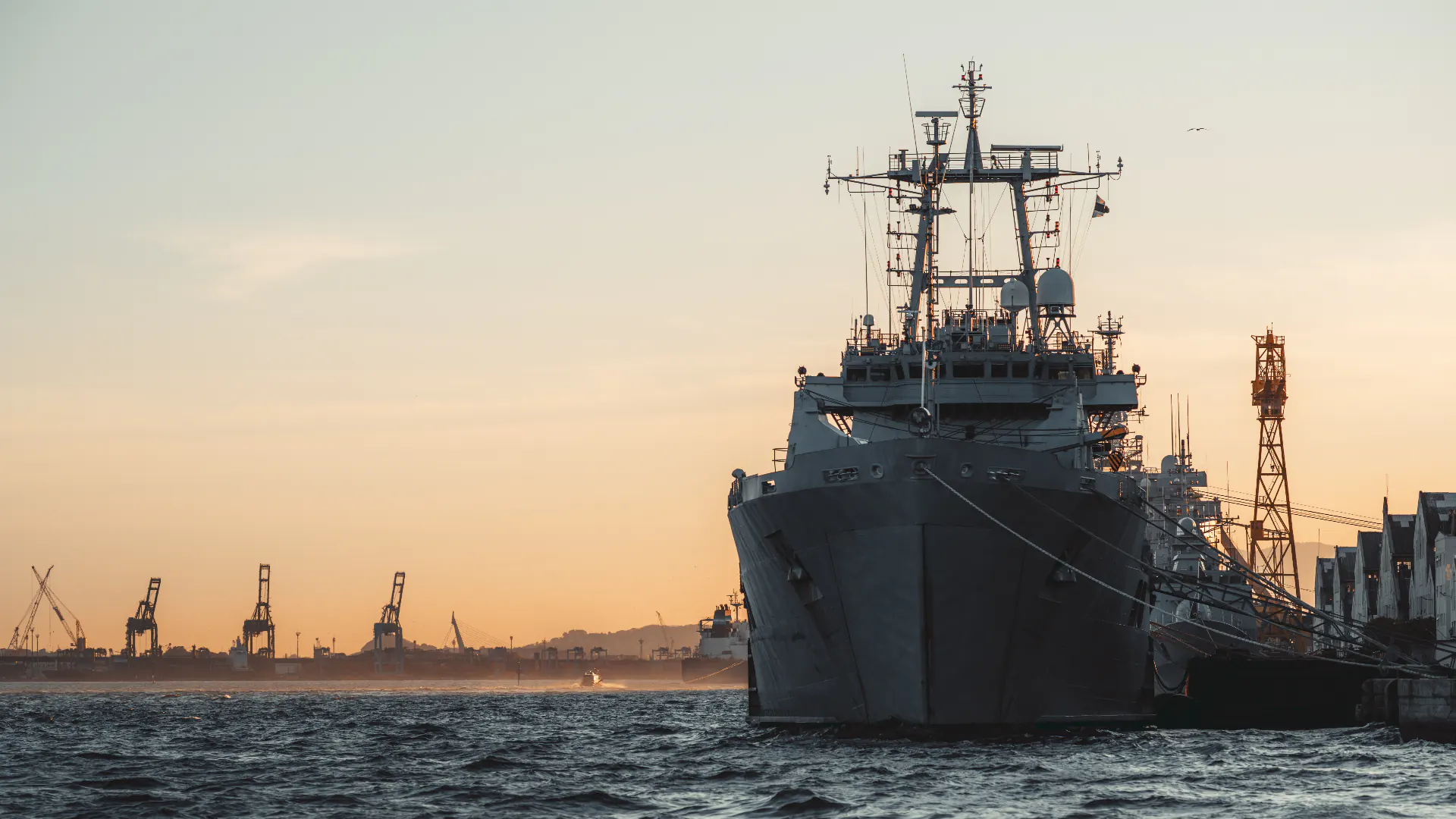
Weeks after Russia and Syria agreed new terms under which a reduced Russian foothold would be maintained in the country, a Russian naval force is heading for Tartus.
The Mediterranean had been without a Russian naval presence since the Gorshkov class frigate Admiral Kasatonov, the oil product tanker General Skobelev, the ro-ro cargo vessel Sparta and the Project 23130 oiler Akademik Pashin passed out through the Strait of Gibraltar at the end of June.
The agreement with Damascus allows the Russian Navy to use the northern wharf inside the inner harbour at Tartus. The base, dating from the 1970s and known as Station 720, previously occupied both that wharf and Pier 4 immediately to the south, so the re-licensed facility is smaller and the scope of maintenance, repair and logistics work it can support is likely to be reduced. The agreement is framed in terms of Russian personnel training their Syrian counterparts.
Heading back into the Mediterranean through Gibraltar late on August 27 were the same three auxiliaries, now led by the Udaloy class anti-submarine destroyer Admiral Levchenko. The group passed through the Danish Strait on August 18, transited the English Channel and was off Spain on August 24.
The Admiral Levchenko is one of the Russian Navy's older units and cannot fire long-range cruise or ballistic missiles at land or surface targets. She has been transferred from the Northern Fleet for the deployment; the Mediterranean presence is normally supported from Baltiysk in Kaliningrad, where the three auxiliaries are based. Those three shuttle to and from the Mediterranean often enough to suggest a semi-permanent allocation.
The open question for NATO planners is whether the group is visiting or stationing, and whether a rotation will follow. The eastern Mediterranean is comparatively quiet at present, although Russian dark fleet tankers remain exposed to seizure and to Ukrainian sanctions measures. Iranian commanders have threatened US and UK targets in southeastern Europe if the blockade of the Strait of Hormuz continues, and Moscow has threatened retaliation over British transfers of cruise missile technology to Ukraine.
Ships in this story