Romania Sinks Barges In The Danube To Keep A Nuclear Reactor Running
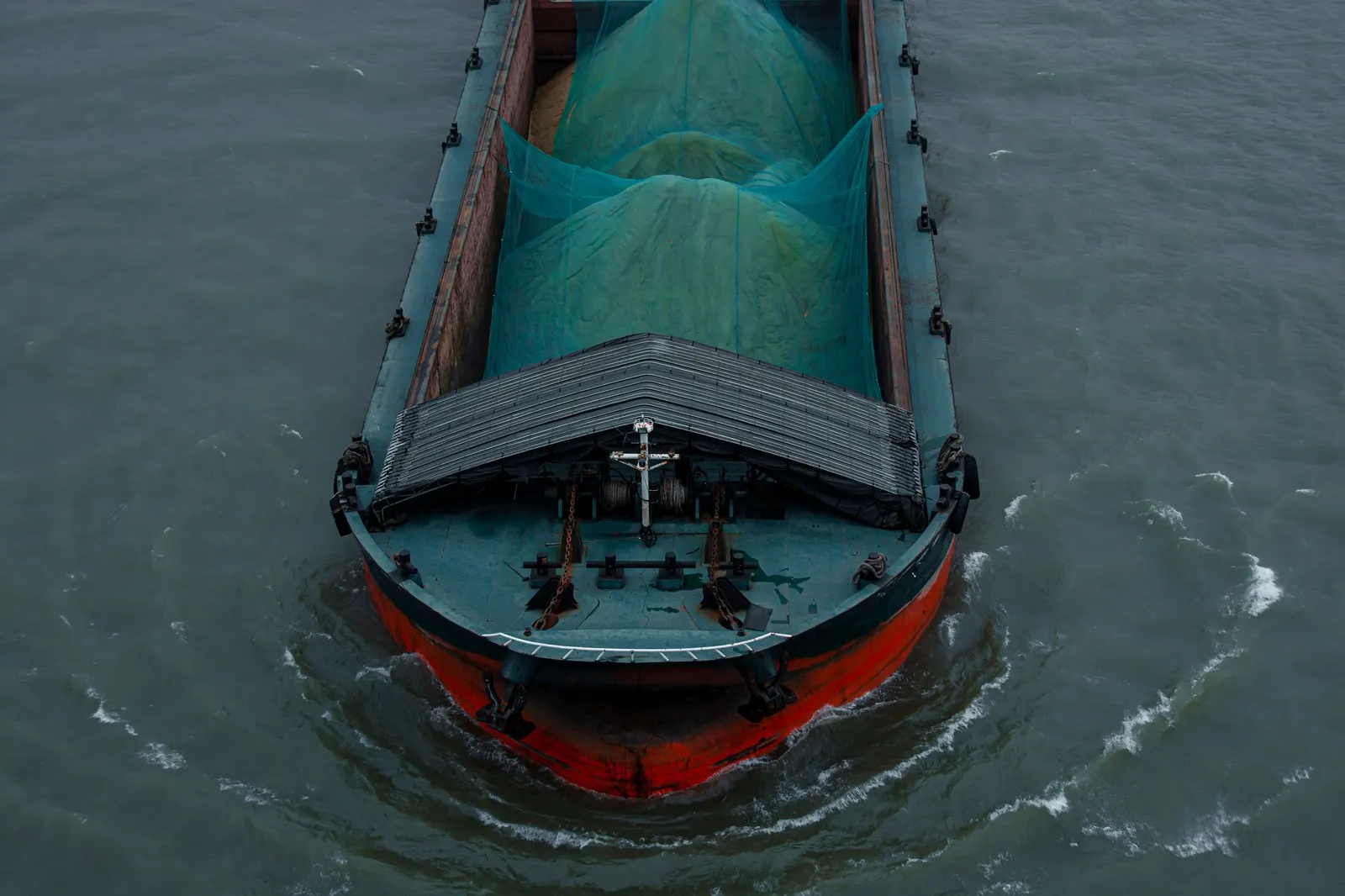
Romania has been sinking four barges loaded with rock into the Danube in an emergency attempt to redirect water towards a nuclear power station whose second reactor is at risk of shutting down for lack of cooling water. One reactor at the Cernavoda plant was already forced offline last week as river levels fell to their lowest in decades.
The plant accounts for around twenty percent of Romania's electricity generation when running at full output and draws river water to cool its reactors. The rock loaded into the barges was blasted from the riverbed by the military near the Bala Canal, and once the barges are submerged they are intended to form an underwater barrier that pushes water down the main channel towards the plant, which lies roughly sixty kilometres downstream. The effect of the submersion is expected to take about a day to reach the site.
The plant's director said the Danube's level had fallen about two centimetres between Wednesday and Thursday, and that without the barges the second reactor would probably have to shut down within five or six days. With them, he expects around nine to ten days of operation. Those figures describe a mitigation measured in days rather than a solution, and they depend on the weather doing nothing further. River flow in Romania has fallen to 1,400 cubic metres per second, less than a third of what is normal for August.
The acting prime minister declared a nationwide state of alert in the energy sector on 31 July and asked households and local authorities to limit electricity use voluntarily during evening peaks, warning that Romania could face shortfalls if the plant went fully offline. Whether imports could cover the gap is uncertain, because the neighbouring countries that would supply them are dealing with the same drought. In Hungary the country's only nuclear plant has been pushed close to shutting down entirely for the first time in decades, and Moldova, which imports much of its electricity from Romania, has asked its own citizens to reduce consumption at peak hours.
The episode is a reminder that a river is infrastructure serving several functions that compete when it runs low. The Danube carries freight, cools power stations, supplies irrigation and supports settlements along 1,770 miles of its course, and the interventions that protect one of those functions generally damage another. Sinking barges to steer water towards a reactor changes the depth available to shipping downstream, and it is being done in a river already carrying part-loaded barges and, in places, exposing obstacles that have been submerged for eighty years.