Poland Rolls Out The First Of Three Next-Generation Frigates
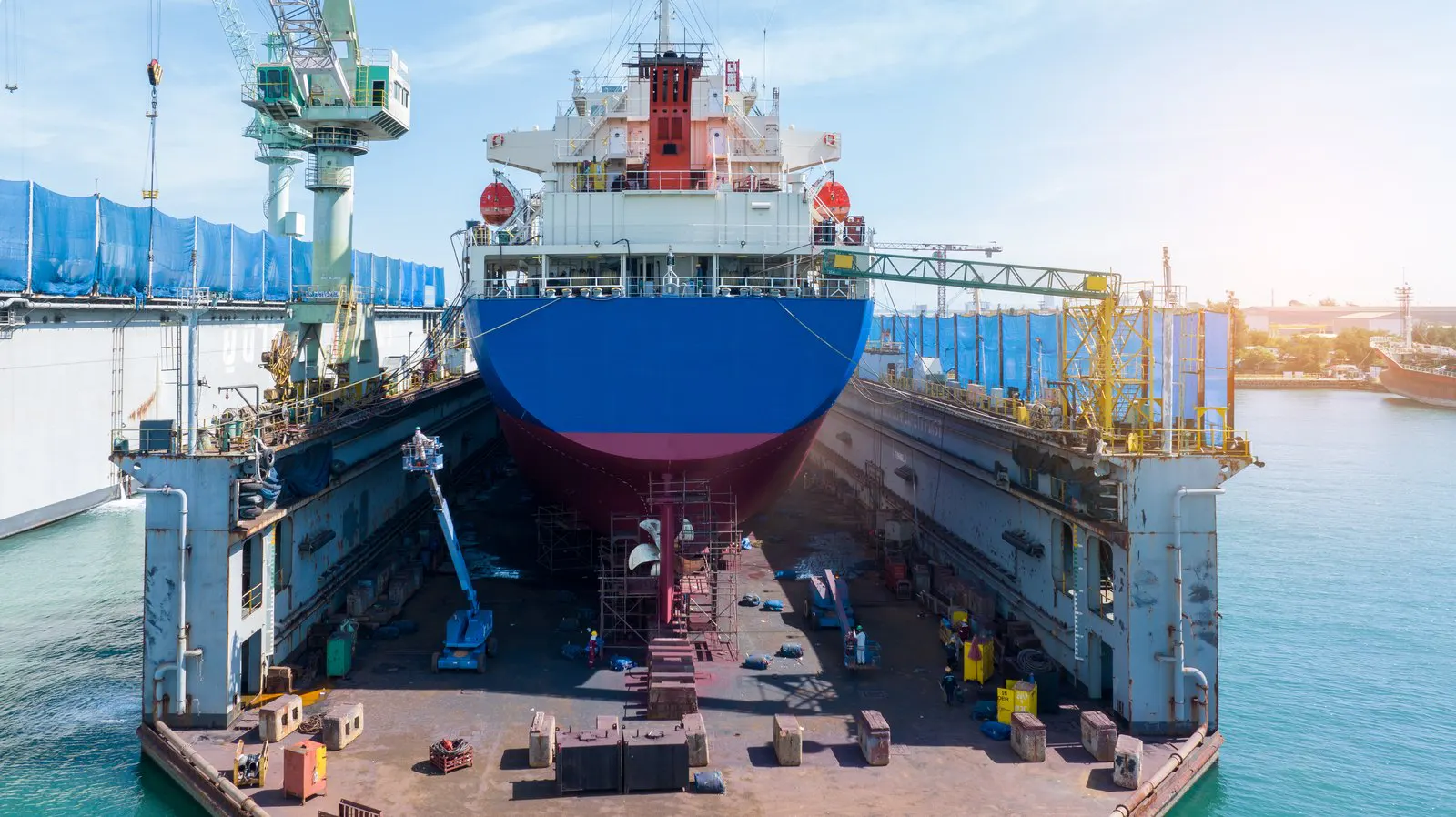
Poland has rolled out the first of three next-generation frigates being built under a domestic programme, marking a visible milestone in a naval expansion that has accelerated sharply since the start of the war on its eastern border. The ships are being constructed to a British design under licence, with substantial work performed in Polish yards.
Building foreign designs under licence has become the standard route for navies that want capable warships without spending decades developing their own. The design work, which is where most programmes fail, has already been proven by the originating navy, while the construction, integration and long-term support generate domestic industrial activity and the skills to sustain the fleet. What is bought is a shortcut through the riskiest part of the process.
Poland's requirement is shaped by the Baltic, which is a difficult sea for a warship. It is shallow, enclosed, crowded with commercial traffic and overlooked from several coastlines, which limits the value of long-range sensors and leaves little room to manoeuvre. Frigates operating there need strong air defence, good shallow-water anti-submarine capability and the ability to work closely with allied units, rather than the endurance a blue-water navy prioritises.
The programme also reflects what the Baltic has become. The seabed carries power interconnectors, gas pipelines and telecommunications cables between countries now sharply divided, and there have been repeated incidents of damage to that infrastructure. Protecting it requires ships able to monitor, investigate and if necessary intervene, and there has not been enough hull capacity in the region to do that at the tempo now required.
Three ships is a modest programme by the standards of the larger European navies, and rolling out the first is a long way from having three in service. Fitting out, trials, weapons integration and crew training typically take years after a hull is structurally complete, and the tendency to celebrate the visible milestone rather than the operational one is common to naval programmes everywhere. The useful measure will be when all three are at sea with trained crews, not when the last one leaves the building hall. Poland has ordered submarines, coastal defence systems and air defence in parallel, and the constraint on all of it is the same: crews. Hulls can be bought; experienced watchkeepers, sonar operators and engineers take a decade to produce, and every navy in the region is recruiting from the same shrinking pool at once.