Oil barge breaks loose in Hong Kong typhoon shelter
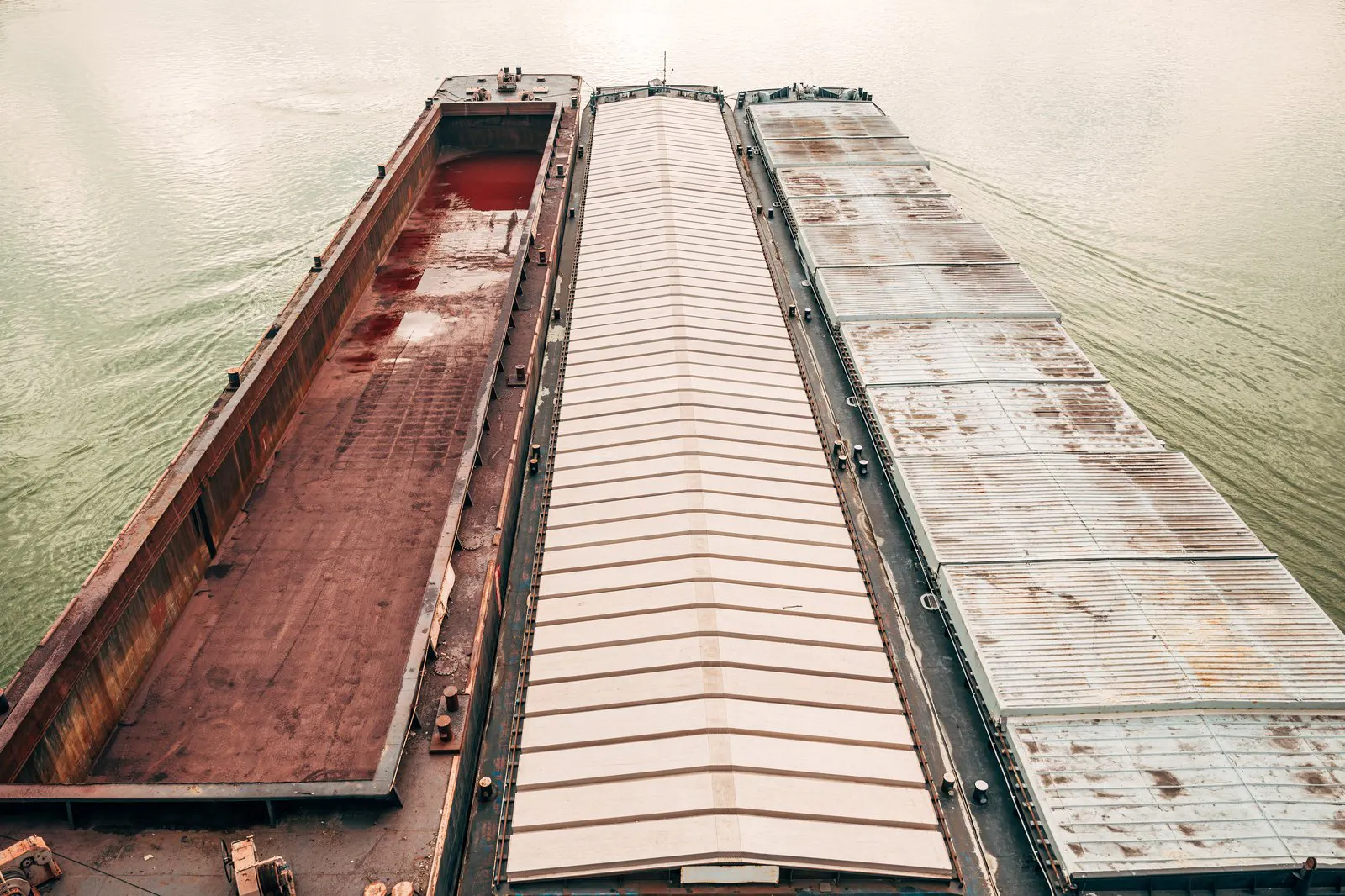
An oil barge broke free during severe typhoon Noul in the early hours of 26 July, striking the breakwater of the Aberdeen West Typhoon Shelter in Hong Kong before drifting into the sheltered water inside, where dozens of vessels were moored. The number nine storm signal was in force at the time. Police received a report at 6.31am that a barge had apparently grounded and hit the breakwater before drifting inward, and officers attending confirmed there was no oil spill and no immediate hazard. The fire services department logged a report of the collision at 6.45am and confirmed nobody was hurt.
Footage filmed by nearby boat operators captured the barge moving close to moored craft. She appeared adrift and partly broadside to the wind, indicating she was no longer under control. A male boat owner can be heard on the radio urgently alerting others, repeating that the situation was serious as the vessel came further in. Other operators discussed the developing danger, one noting that a tug had put a line aboard and slowed her down, with doubts expressed as to whether a single tug would be enough to move a craft of that weight clear.
A local captain suggested that the barge may have dragged her anchor or parted a mooring line in the severe conditions. Dragging occurs when the anchor fails to grip the seabed firmly and the vessel is pushed off position by wind and sea. Where crew are aboard, the standard response is to start the engine and reset the anchor, which is straightforward in moderate weather and extremely difficult in a storm of this intensity. The exact cause remains under investigation.
Typhoon shelters exist precisely to absorb events of this kind, and the outcome here was close to the best available. The barge hit the breakwater rather than the moored fleet, no oil escaped, and a tug was on scene quickly enough to check her movement. Had she come further in under the same wind, the sequence of contacts among tightly packed small craft would have been difficult to stop.
The incident illustrates a persistent weakness in storm preparation for unmanned or lightly manned craft. Barges have no propulsion of their own and depend entirely on ground tackle and moorings that were laid before conditions deteriorated. Once either fails there is no self-recovery, and the only remedy is a tug operating in the same conditions that caused the failure. The owner was notified and is expected to handle the follow-up arrangements.