US Sanctions the Crypto Exchange Behind Iran's Hormuz Transit Fees
BitBank processed payments for HormuzSafe, the IRGC front selling safe passage as digital insurance

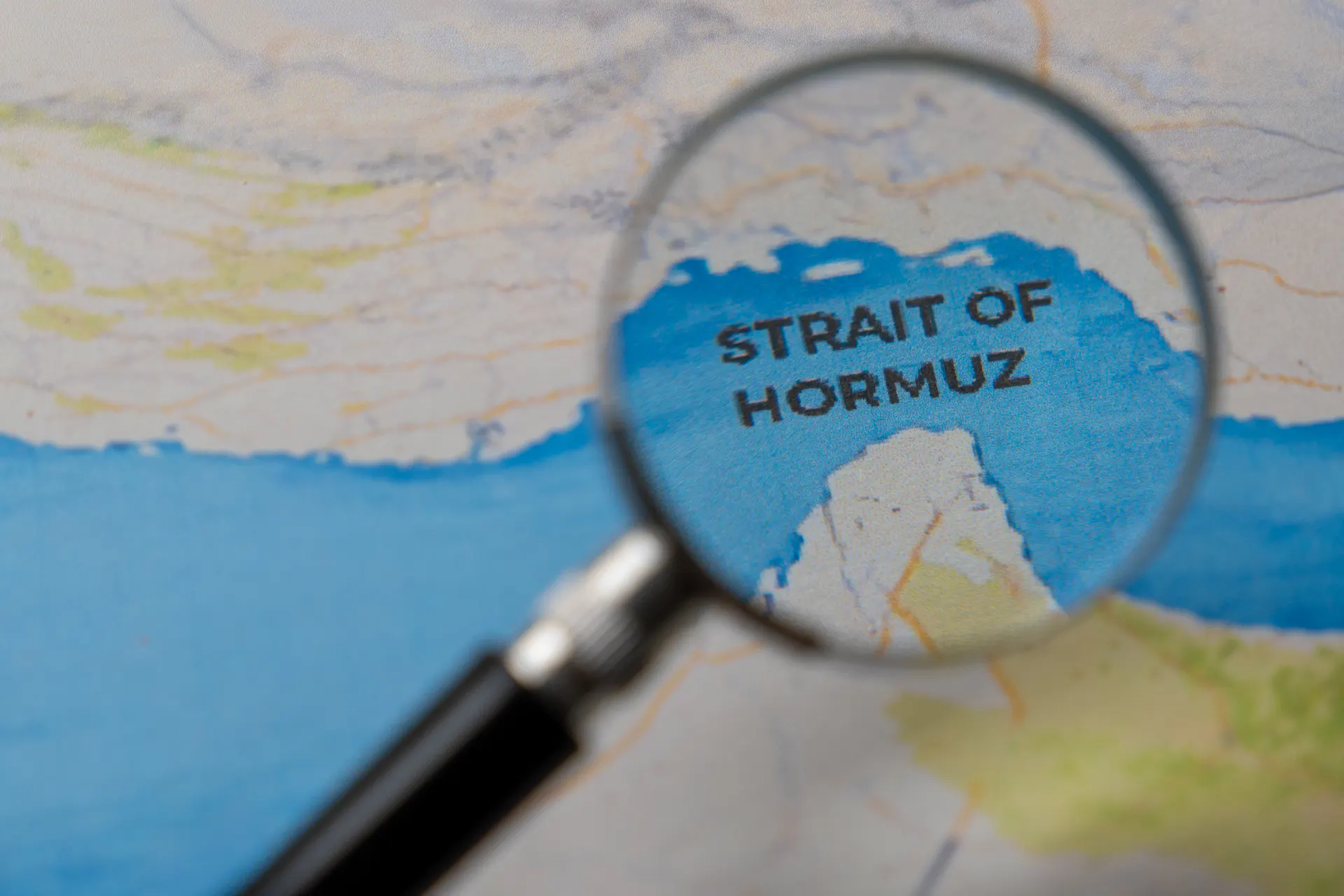
The US Treasury's Office of Foreign Assets Control has sanctioned BitBank, a cryptocurrency exchange it says processed payments for the IRGC-linked scheme that charges commercial ships for passage through the Strait of Hormuz.
The scheme itself was already designated. In March, weeks after the strikes on Iran began, Iranian forces began charging informal safe-passage fees for the strait at a rumoured rate of up to $2 million per transit. That practice was later dressed as an insurance product and run through two entities, the HormuzSafe Marine Services Authority and the Persian Gulf Marine Insurance Company, both sanctioned in July for generating revenue on behalf of the Islamic Revolutionary Guard Corps.
HormuzSafe presents itself as a modern digital insurer. It advertises legitimate-sounding services, including salvage towage in an emergency, invites owners to sail through with complete confidence, and claims a 99.9 percent safe transit rate. It accepts Bitcoin, dollar-linked stablecoins, credit cards and wire transfers. The product being sold is not cover against a hazard; it is exemption from one.
Thursday's action closes the payment rail. Treasury says BitBank belongs to the financial ecosystem built around Babak Zanjani, a regime insider sentenced to death in 2016 for stealing from the National Iranian Oil Company, later released and allowed to construct front companies and laundering tools for the state. Zanjani promoted BitBank publicly as a currency exchange; according to OFAC, in private it moved hundreds of millions of dollars in Bitcoin to the IRGC at his instruction, with the bulk of that traffic falling between June and July.
Designated alongside the exchange are Pishtaz Simorgh Electronic Trade Company, the developer of BitBank's software, and three executives of Zanjani's digital finance operations: Hossein Ali Zaker Hossein, Mohammad Mahdi Zaker Hossein and Seyed Adel Heidari. Zanjani himself and his holding company, Dot One, were already listed. "Efforts to finance the Iranian regime using cryptocurrencies are not beyond OFAC's reach," Treasury Secretary Scott Bessent said. "If you support the Iranian regime, the Department of the Treasury will sanction you."
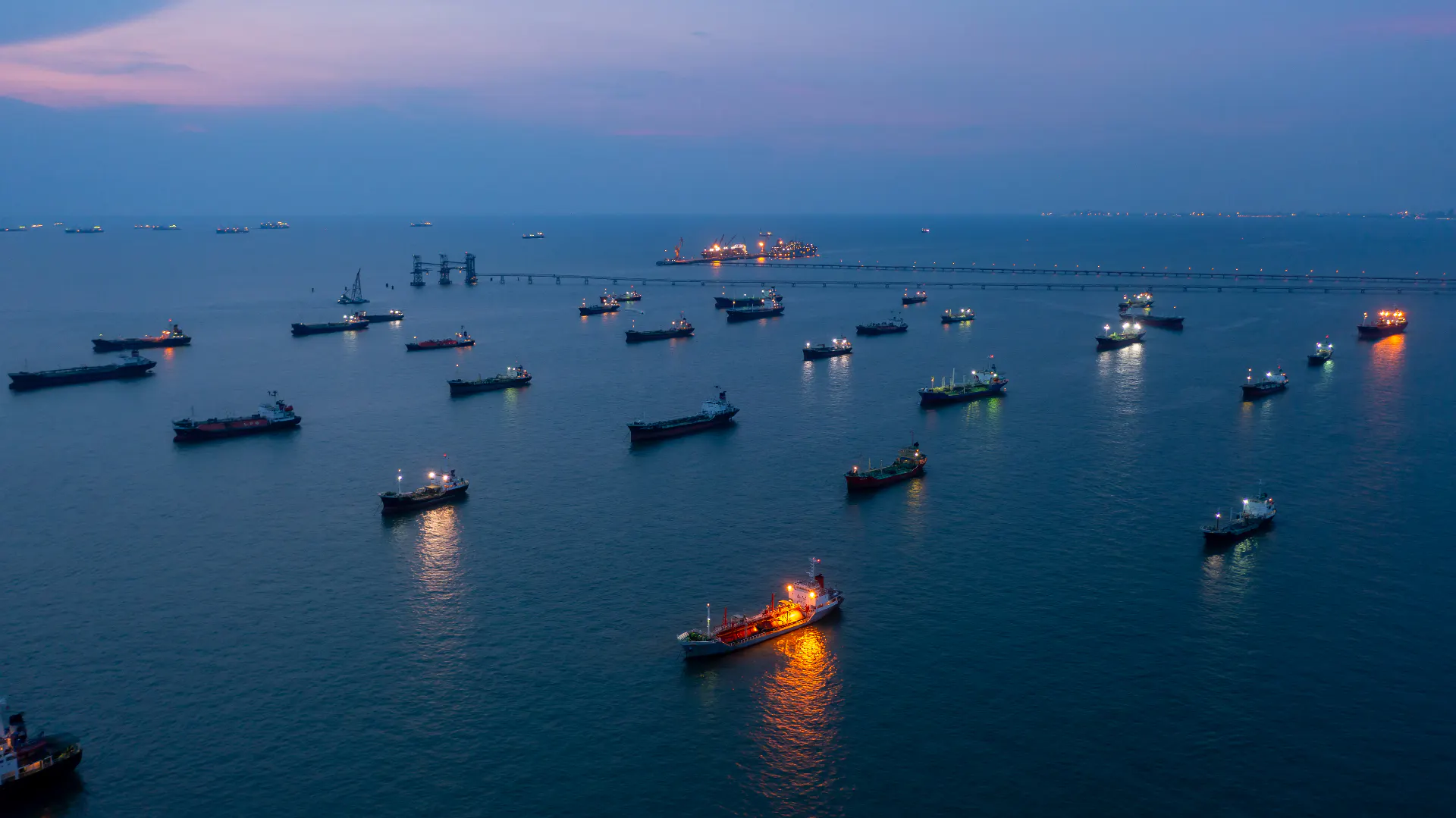
For owners and charterers the practical effect is narrow and awkward. The designation makes paying the fee through this channel a sanctions exposure in its own right, on top of the exposure already created by dealing with HormuzSafe. It does not make the strait safer, and it does not offer an alternative to owners whose ships are already committed to a Gulf voyage. The traffic that is still moving through Hormuz is largely moving dark, and a good deal of the cargo that used to transit now changes hands in ship-to-ship transfers on the eastern side, with tankers ballasting to the anchorages around Fujairah to wait for a lift.
That is the commercial shape of an extortion market: the fee is not the cost, the fee is the cheapest of several bad options, and each time one of them is closed the volume redistributes to the others. Designating the rail raises the cost of the cheapest option. Whether it lowers the number of ships paying depends entirely on what happens to the alternatives.
The designation is set out in the Treasury's announcement of 17 September.
This story is part of the Maritime Briefing of 20 September 2026.