Odfjell semisub back at work after blowout preventer dropped to seabed
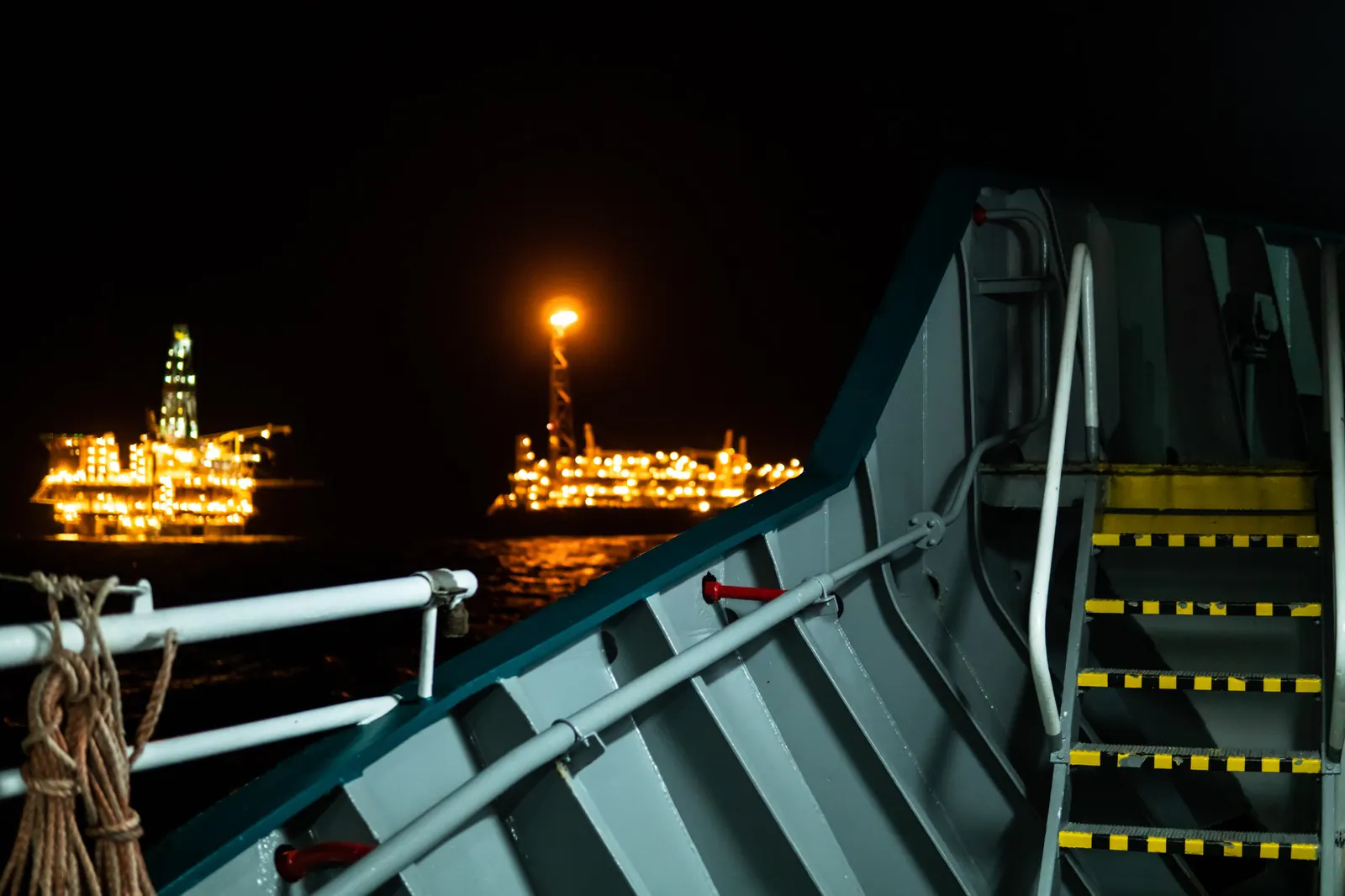
The 2009-built semisubmersible Deepsea Atlantic has returned to work more than three months after dropping a blowout preventer to the seabed during installation. The incident occurred on 18 April 2026 at a depth of around 1,100 m. No personnel were injured. The rig accumulated 106 days of off-hire before resuming operations.
The sequence that followed the drop explains the length of the outage. The blowout preventer was recovered from the seabed, after which the rig went to a yard for repairs and for the installation of a spare unit. Each of those steps is slow. A blowout preventer is among the heaviest and most complex pieces of subsea equipment on a drilling unit, and recovering one from that depth requires purpose-arranged lifting rather than the rig's own handling system, which has itself just demonstrated a failure.
The costs of recovery, replacement and repair are covered by insurance, which limits the direct financial damage to the off-hire itself. That distinction is worth drawing out. For a drilling contractor the equipment loss is generally insurable, but the revenue lost while the rig is unavailable usually is not, and 106 days is a substantial share of an annual utilisation figure on a unit of this class.
The rig works offshore the United Kingdom for Adura, the Shell and Equinor joint venture, on a contract running to the middle of 2027. That the contract survived an outage of this length says something about the state of the market for high-specification harsh-environment semisubmersibles, where available units are few enough that an operator generally prefers to wait for a repaired rig rather than search for a replacement.
The underlying question the incident raises concerns handling rather than the equipment itself. A blowout preventer dropped during installation is a lifting and connection failure, not a malfunction of the device, and the investigation of interest to other operators is the one covering how the stack was being run when it was lost. With no injuries and full insurance recovery, the incident registers as an expensive operational lesson rather than a safety failure, which is a considerably better outcome than the depth involved might have produced.