NYK Takes Half of Avenir LNG to Build a Bunkering Venture With Stolt-Nielsen
The deal turns a wholly owned Stolt-Nielsen subsidiary into a jointly owned LNG bunkering business
The Japanese shipping group Nippon Yusen Kabushiki Kaisha has completed the acquisition of a 50% stake in Avenir LNG Limited from Stolt-Nielsen Gas Ltd, creating a jointly owned LNG bunkering business with Stolt-Nielsen Limited.
The transaction closed after the required regulatory clearances were received. Stolt-Nielsen Gas, a wholly owned subsidiary of Stolt-Nielsen Limited, previously held 100% of Avenir LNG, so completion converts a single-owner structure into an even split between two listed shipping groups.
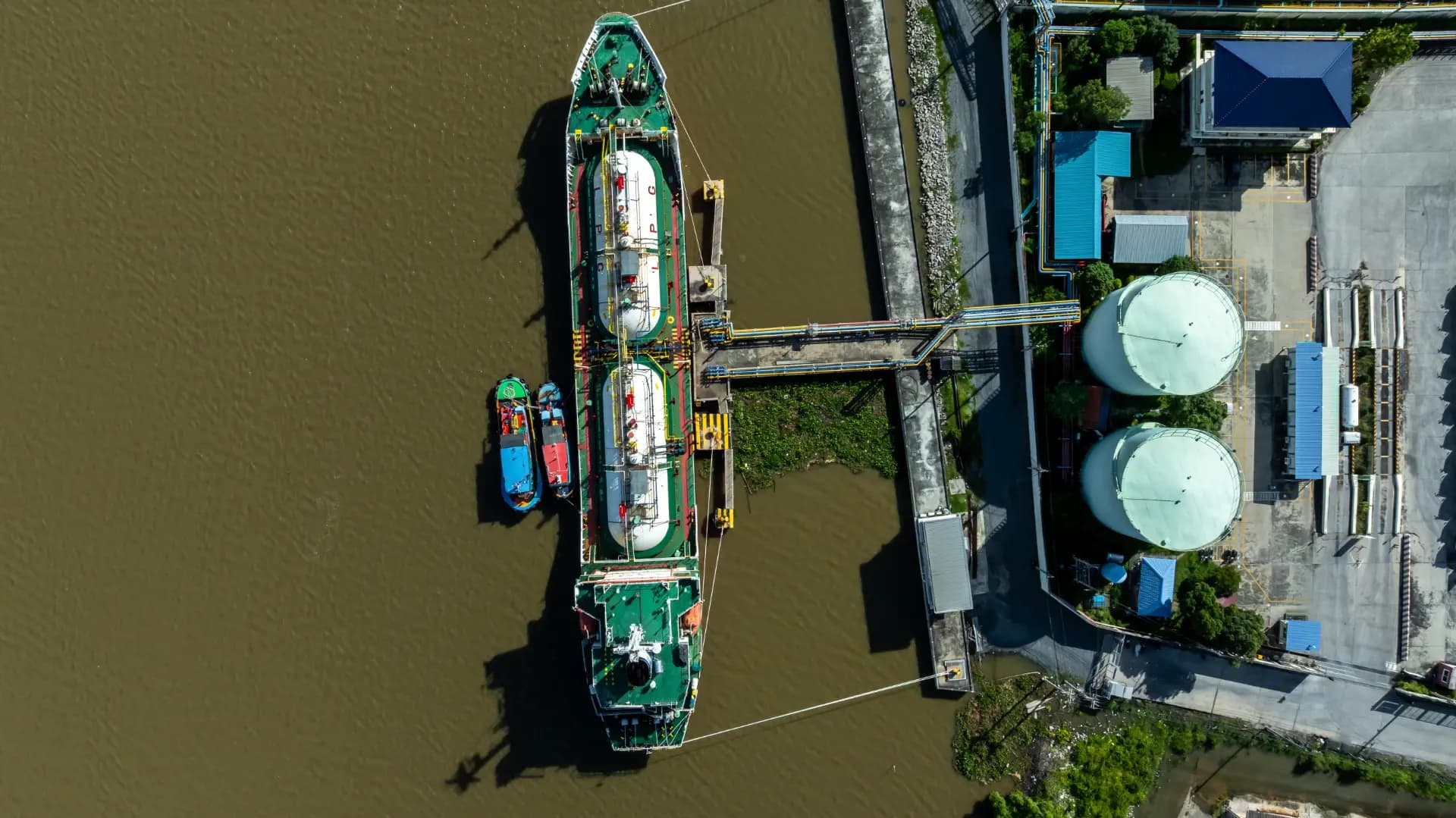
Avenir LNG operates in the LNG bunkering sector and runs one of the world's largest fleets of LNG bunker vessels. The joint venture will pursue opportunities in both LNG and bio-LNG bunkering as the shipping industry moves towards lower-emission fuels.
The commercial logic sits on both sides of the fuel supply chain. NYK is one of the largest operators of LNG-fuelled tonnage and a substantial owner of LNG carriers, which gives it demand-side visibility on where bunkering capacity is needed. Stolt-Nielsen brings the terminal, small-scale distribution and gas logistics experience that Avenir was built around.
Ownership of delivery capacity has become the constraint in LNG bunkering rather than ownership of the fuel itself. A bunker supply commitment at a given port is only as firm as the vessel available to make the transfer, and the number of purpose-built LNG bunker vessels remains small against the order book of dual-fuel ships now entering service.
NYK is headed by President Takaya Soga. Stolt-Nielsen Limited is headed by Chief Executive Officer Udo Lange. Neither party disclosed the consideration paid for the stake.
The bio-LNG element of the venture's stated scope is the part that carries regulatory weight. Bio-LNG is chemically interchangeable with fossil LNG in the same engines and the same bunker vessels, which lets an owner improve a carbon intensity position without changing tonnage. That makes the distribution network, rather than the molecule, the asset worth holding a half share in.