Icebreaker Nuyina Sent to Empty Macquarie Island Station Over Bird Flu
The 24 expeditioners will leave a site that has been continuously staffed since 1948
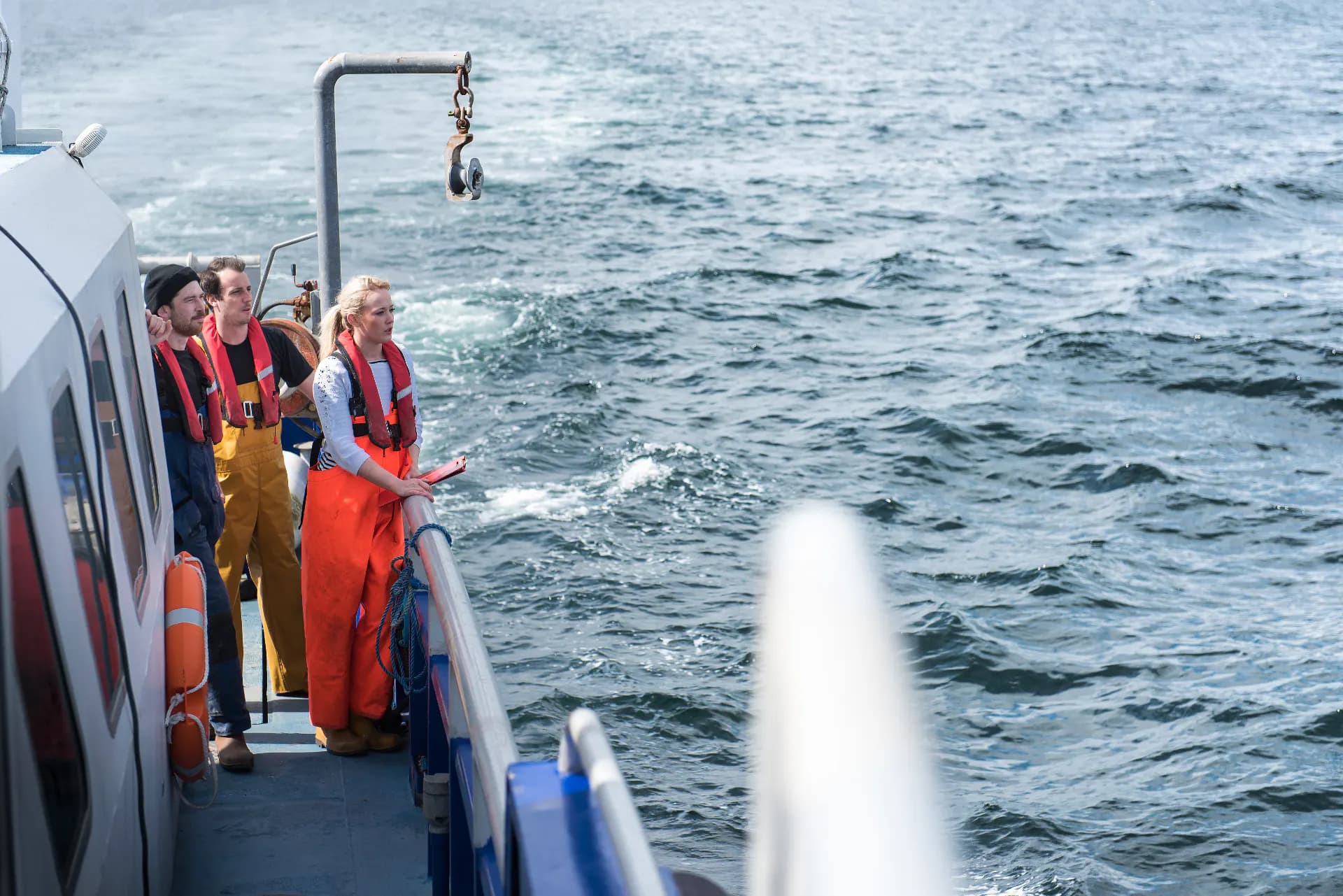
The Australian Antarctic Division is sending its research and resupply vessel Nuyina to Macquarie Island to take off every member of the station's crew, in response to the expected arrival of avian influenza in one of the densest wildlife colonies in the Southern Ocean.
The 525-foot icebreaker will sail roughly 1,500 kilometres from her home port of Hobart to lift the 24 expeditioners currently at the station, along with essential cargo, because it is not clear how long the site will remain empty. Her master will then take the vessel on to her scheduled Antarctic resupply programme, which begins in late October.
The station has been continuously staffed since it was established in 1948, and this will be the first time it stands empty. It is an important site for conservation, environmental and climate research.
Bird flu has not been detected at the station itself. The decision rests on an assessment that an outbreak is highly likely, given that the island is a wildlife sanctuary carrying up to four million seabirds and 100,000 seals. The precedent is close at hand: more than 13,000 seal pups died in the Australian territory of Heard Island and McDonald Islands over the summer, where the H5 strain was first detected late last year, and by June researchers believed more than three-quarters of all pups had succumbed. Mortality among elephant seals reaches 90 percent.
Macquarie is currently free of the disease, but thousands of elephant seals are born close to the station every spring. With the risk to humans assessed as low, the reasoning given for pulling out the tradespeople, scientists and support staff turns on the psychosocial burden of living beside large numbers of dying animals rather than on infection risk.
"This is an unusual measure, but it's the most appropriate course of action based on our assessments of risk and operational realities," said Sean Sullivan, deputy secretary at Australia's Department of Climate Change, Energy, the Environment and Water. The current team arrived in May and is about five months into a year-long deployment.
The evacuation comes weeks after the division unveiled a A$370m (US$266.4m) rebuild of the station, on the grounds that extreme weather has left many of the buildings near the end of their useful life. That project is scheduled for completion by 2032, and is intended to restore a year-round presence on the island.
Ships in this story