NORDEN Issues the First Verified Maritime Emissions Reductions Under Book and Claim
Microsoft is the first company globally to use the mechanism for shipping emissions
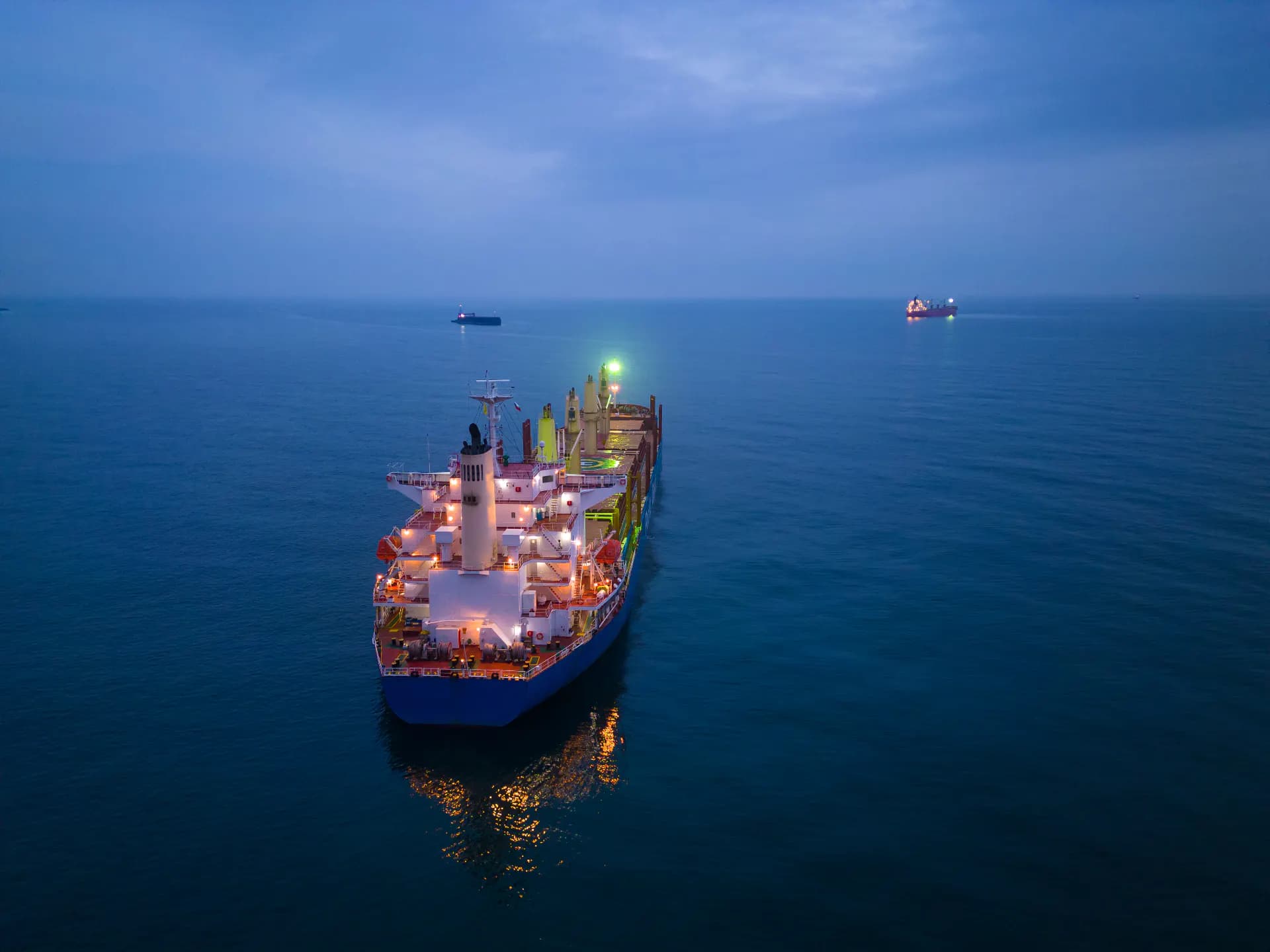
NORDEN has delivered the first verified maritime emissions reductions through the RSB Book and Claim registry, in a pilot completed with Microsoft and the Roundtable on Sustainable Biomaterials.
The transaction is the first time a maritime carrier has issued and delivered verified emissions reductions through that registry. Its point is that a company can start reducing and accounting for its shipping emissions now, without requiring sustainable fuels to be physically available on the specific voyages carrying its cargo.
Book and claim lets a company purchase verified emissions reductions linked to sustainable fuels regardless of where those fuels are consumed within the industry. The mechanism is established in aviation, where it has been used for several years, and NORDEN, Microsoft and RSB have now extended the framework to maritime transport for the first time. To make the transaction possible, NORDEN became the first maritime operator to obtain RSB Book and Claim trader certification, a prerequisite for issuing and selling reductions through the registry. RSB developed that certification by extending its existing aviation framework to cover maritime carriers.
For many companies, some of the most difficult emissions to address are those embedded deep within global supply chains, where they often have little visibility or direct influence over how goods are transported, said Anne Jensen, chief operating officer at NORDEN. This transaction demonstrates how book and claim can help bridge that gap, she said, by enabling companies to invest in verified reductions from maritime transport regardless of where the fuel is used or where they sit in the value chain.
Microsoft is the first company globally to use the mechanism for shipping emissions, as part of a broader effort on value chain emissions. Decarbonising supply chains requires solutions that are both credible and scalable, said Bella Horstmann, senior manager for market development at Microsoft, adding that companies do not need to wait to start reducing their shipping emissions in a verified way.
The credibility question is the one the mechanism has to keep answering. Decoupling the claim from the voyage is what makes it workable at scale, because sustainable marine fuel is available at a handful of bunkering locations rather than everywhere a cargo owner ships from. It is also what makes it contestable, since the buyer's own vessels burn exactly what they burned before. The registry's function is to ensure the reduction is issued once, retired once and traceable to fuel that was actually consumed.
Developing market-enabling tools for decarbonisation across hard-to-abate sectors is a priority, said Max Eichelbaum, director for digitisation and book and claim at RSB, describing NORDEN's certification as the kind of collaboration that opens the solution to the wider industry. RSB will now update its procedure for book and claim chain of custody to enable broader adoption, and NORDEN intends to scale the offering towards making verified reductions a standard part of ocean transport. Where that sits against the bunker accounting rules being negotiated at the IMO is a question the regulatory process has yet to answer.