Ningbo customs seizes 11,750 helium cylinders in first case under China's export ban
The container was declared as empty steel cylinders; the case has gone to China's anti-smuggling authorities

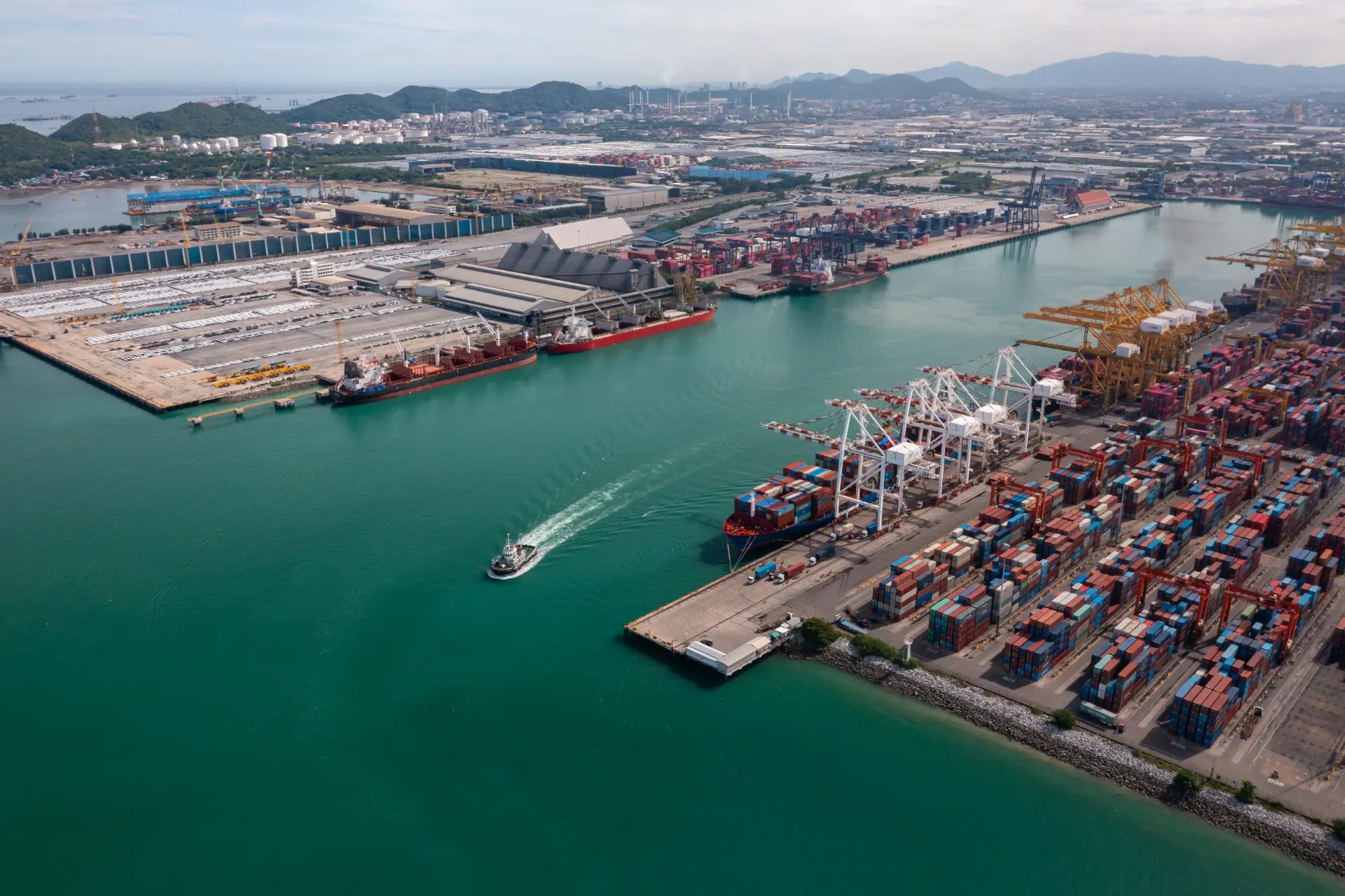
Customs officers at Ningbo have intercepted a shipment of 11,750 steel cylinders being exported in breach of regulations, in what Ningbo Customs describes as the first helium smuggling case uncovered at the port since China introduced a temporary ban on helium exports on 10 July 2026.
The shipment had been declared as "empty steel cylinders". During inspection, officers saw two visually distinct types of cylinder inside the container. One type had screw-on plastic caps and made an audible sound when gently shaken. A weight check showed the cylinders were heavier than declared, which prompted further investigation, and samples tested in the laboratory confirmed that the gas inside was mainly helium.
The case has been transferred to the anti-smuggling authorities, and its outcome will depend on their findings. Ningbo Customs has not named the exporter, the forwarder or the intended destination.
What does this mean for forwarders?
The authority used the case to restate the obligations of everyone in the export chain. A discrepancy between the declared description and the actual condition of goods can trigger inspection and investigation, and the exposure rises sharply when the goods are also subject to national export prohibitions or restrictions. Concealing, disguising or misdeclaring goods to evade customs supervision is a violation of the law, and in serious cases criminal liability will be pursued.
Cargo owners, customs brokers and freight forwarders accepting export consignments are required to check the physical goods, the declared information and the applicable export control rules, and may not rely solely on the product name or documents supplied by the consignor. The authority singled out specialised gases and chemicals, where composition, packaging condition and regulatory requirements all need to be confirmed. If a mismatch is found at inspection, the consequences can go well beyond filing extra documents or correcting a declaration.
This story is part of the Maritime Briefing of 29 October 2026.