Nickel ore trade surges, reviving safety concerns
Seaborne volumes climbed more than 22% year on year in the second quarter, boosting demand for supramax and ultramax bulkers.
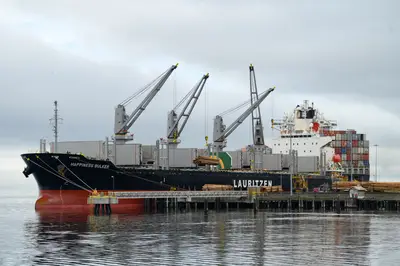
The seaborne nickel ore trade is expanding rapidly, generating additional employment for supramax and ultramax bulk carriers while renewing scrutiny of one of shipping's most dangerous cargoes. Global seaborne nickel ore volumes climbed by more than 22% year on year to 26.1 million tonnes during the second quarter, according to shipping data cited in the report.
The growth in volumes has provided a welcome boost to owners of supramax and ultramax bulkers, vessel classes well suited to the ports and cargo sizes typical of the nickel ore trade, at a time when broader dry bulk demand has faced mixed conditions. Increased cargo flows in this segment help support freight rates and utilisation for owners with vessels trading in the relevant regions.
Nickel ore, however, carries a well-documented history of safety incidents at sea, primarily linked to the cargo's tendency to liquefy under certain moisture conditions, which can cause vessels to lose stability and, in the worst cases, capsize. The rapid expansion in trade volumes has therefore reignited industry concern over whether loading practices and moisture testing are keeping pace with the growth in shipments.
Shipping companies and cargo surveyors handling nickel ore are required to follow strict protocols around moisture content testing before loading, given the cargo's history of causing vessel losses when improperly handled. As trade volumes rise, maintaining consistent compliance with those safety procedures across a growing number of shipments and loading ports becomes an increasingly important operational challenge.
With demand for nickel ore shipments continuing to climb, the balance between commercial opportunity for bulk carrier owners and the safety risks inherent to the cargo is likely to remain a live issue for the dry bulk sector. Industry attention is expected to stay focused on ensuring loading practices keep pace with the trade's rapid growth.