Minerva Dry Orders 3,100-Box Container Series At Hengli
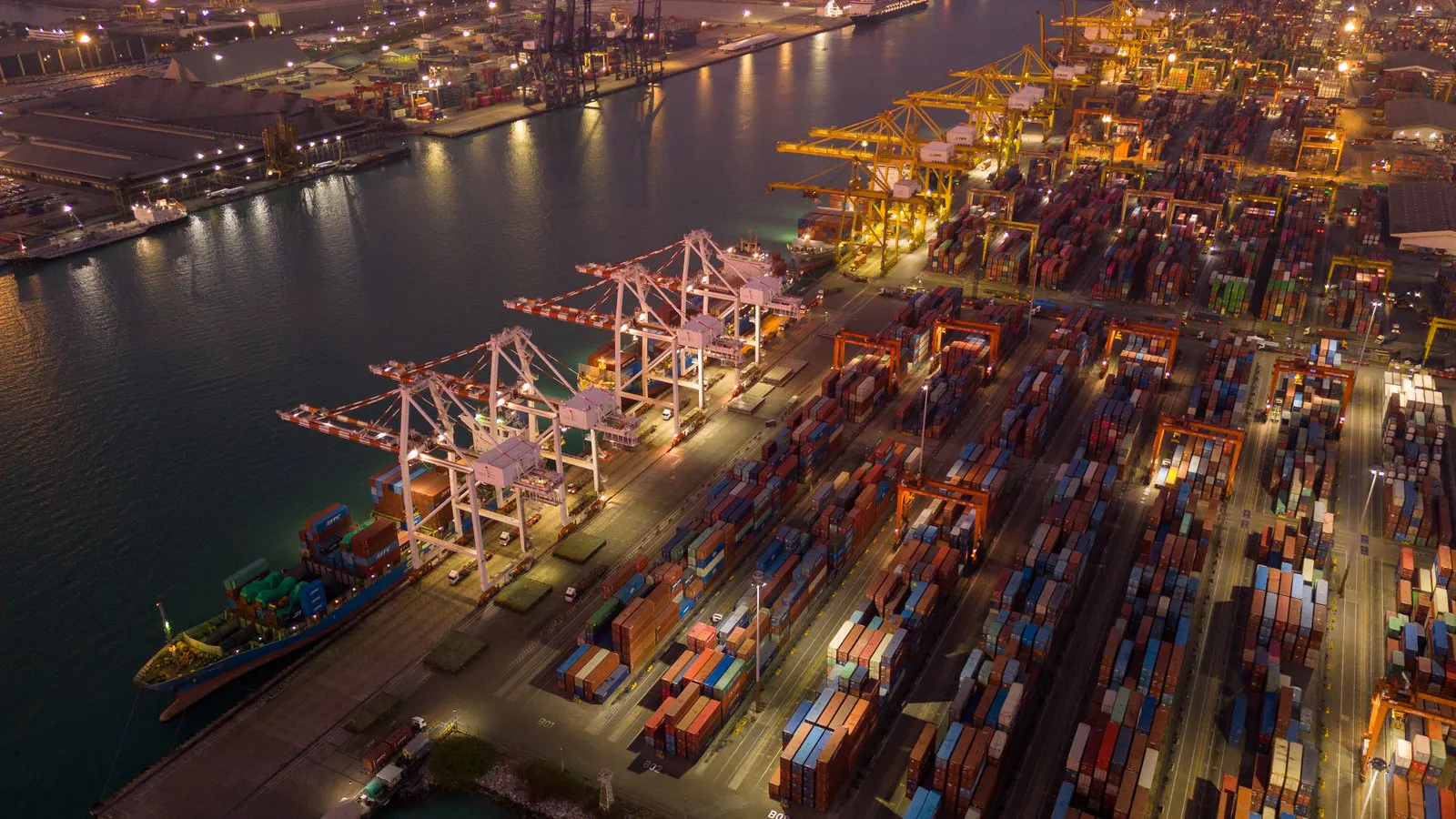
The Greek owner Minerva Dry has ordered a series of 3,100-container ships at Hengli Heavy Industry, extending a relationship with the rapidly expanding Chinese yard. Neither party has disclosed the number of vessels, the contract value or the delivery schedule.
The owner previously ordered four 6,000-container ships at the same yard, and has contracted five further vessels at another Chinese builder across two tranches placed in October last year and January. Building a container fleet from a standing start through repeat orders at two yards is a deliberate approach: it buys design continuity and berth priority in a market where yards can choose their customers, and it avoids the premium attached to one-off contracts.
The size chosen is the interesting decision. At 3,100 containers these are regional and feeder vessels rather than mainline tonnage, suited to intra-Asian trades, Mediterranean and Baltic feeder work and the north-south routes that connect developing markets to hub ports. That segment has been the quiet strength of the container orderbook while attention has focused on the very large ships, and the reason is structural: feeder tonnage is old, the ships that serve those trades were largely built before the last downturn, and nothing has replaced them at scale.
The market data supports that reading. Container ship ordering rose around 29 percent year on year in the first half, but orders for ultra-large and Neo-Panamax vessels fell 18 percent, the sharpest decline of any segment. Against thirty-eight ultra-large ships ordered in the period there were 184 feeder vessels and ninety-one Handysize units. The orderbook-to-fleet ratio in the ultra-large segment has passed 70 percent, a level that historically precedes a period of severe overcapacity, while the smaller sizes remain comparatively under-ordered.
An owner placing 3,100-box tonnage into that picture is taking the opposite side of the trade from the carriers ordering 20,000-container ships for delivery at the end of the decade. Feeder vessels are chartered rather than operated by their owners in most cases, which means the economics depend on charter rates from liner companies that will shortly be taking delivery of a great deal of their own capacity. The bet is that the cascade works as it always has: the big ships displace medium ones, medium ones displace feeders, and the oldest feeders finally leave the fleet. That has happened before. It has also, in several cycles, happened far more slowly than the owners betting on it expected.