Mein Schiff 7 Takes 25 Cubic Metres of Methanol in a Cruise Sector First
The fuel went to boiler operations rather than propulsion, with 2,900 passengers aboard during the transfer
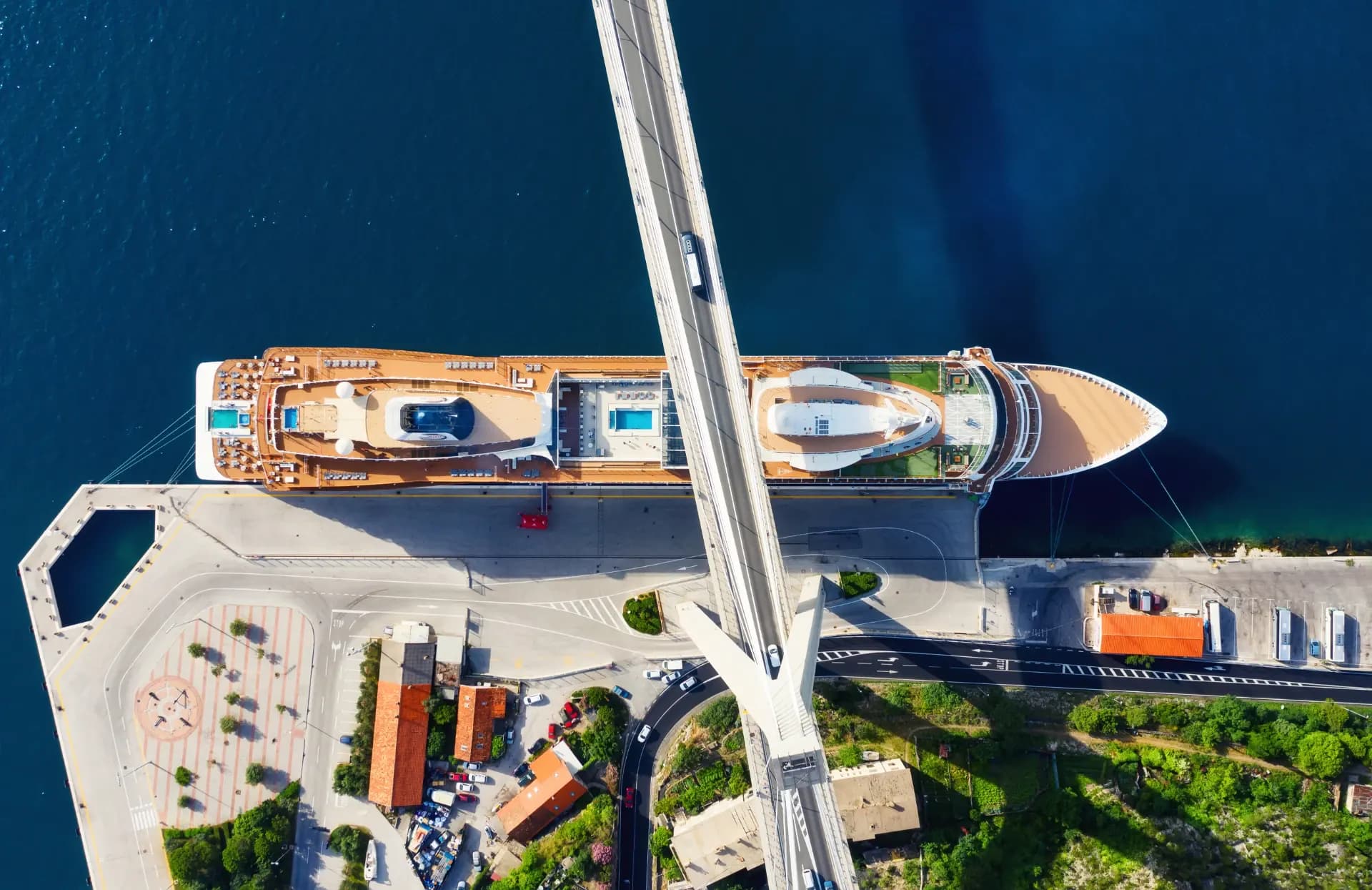
A demonstration bunkering and trial of methanol has been completed aboard the cruise ship Mein Schiff 7, which was the first cruise vessel built methanol-ready, in a test designed to show that the delivery systems for the fuel exist in the cruise sector.
Mein Schiff 7, of 115,000 gross tons, was delivered in 2024 with the intention of being methanol-ready from the outset. The cruise line said at the time that it was waiting for additional parts but anticipated proceeding with tests by 2026. The ship continues to use low-sulphur diesel for propulsion, and the demonstration went ahead separately from that.
The vessel was supplied with 25 cubic metres of methanol from renewable feedstocks. MB Energy provided the fuel, which was loaded from a truck operated by Johs. Martens, and the fuel will be used primarily for boiler operations on board rather than for propulsion. The transfer took place with around 2,900 passengers aboard and with multiple simultaneous operations under way at the pier, which is the condition that matters for a cruise terminal where a bunkering window cannot be cleared of everything else.
"The operation shows that lower carbon fuels like methanol from renewable feedstocks can already be integrated into cruise operations in a safe and reliable way," said Jonathan Perkins, chief executive of MB Energy. The company is developing its storage infrastructure at Hamburg-Blumensand to be methanol-ready, with Hamburg and Kiel as its primary operational hubs in northern Germany.
Jörg Umann, director of strategic planning, treasury, investor relations and fuel at TUI Cruises, said the project provided valuable operational experience with the supply and handling of certified renewable methanol under real operating conditions, and noted that while the fuel supplied is used for boiler operations rather than propulsion, projects of this kind help the company understand how alternative fuels can contribute to reducing emissions.
The operator has been running a parallel programme on gas. Its two InTUItion-class ships, Mein Schiff Relax and Mein Schiff Flow, each of 157,651 gross tons, can burn LNG or marine gas oil for propulsion, or renewable LNG without technical modification. Relax was bunkered twice with bio-LNG during 2025 and is using the renewable fuel for its entire summer season in northern Europe, while Flow began regularly bunkering bio-LNG this year in Barcelona and will continue through its winter season from Hamburg.
Other lines have taken different routes to the same question. Disney Cruise Line prepared Disney Adventure for methanol but, with green methanol not expected to be readily available in its Singapore homeport, the ship operates on a mix of sustainable and low-emission fuels including hydrotreated vegetable oil. Celebrity Cruises built a ship in France for which Wartsila converted the engine to tri-fuel including methanol capability, and Norwegian Cruise Line has announced that the fifth and sixth ships of its Prima class will be designed for methanol while it examines conversions for existing tonnage.