Maersk resumes limited Suez transits but warns strain will persist
AE15, MECL and WAF6 are routed through the canal again, with no return of the wider East to West network

Maersk has told customers that trade and logistics flows across India, the Middle East and Africa remain unsettled by geopolitical uncertainty and disruption to maritime corridors, even as the carrier resumes limited transits of the Suez Canal.
The company confirmed that it has recently begun transiting the canal on its AE15, MECL and WAF6 services, and framed the move as conditional. "Additional trans-Suez sailings may be considered if security thresholds continue to be met," it said, adding that this "would not represent a full return of the East-West network to the trans-Suez corridor." The company sets out its routing advisories through its own newsroom.
On the drivers of the disruption, the carrier said that "uncertainty around the Strait of Hormuz, variable vessel waiting times and high yard density at several regional ports continue to affect predictability."
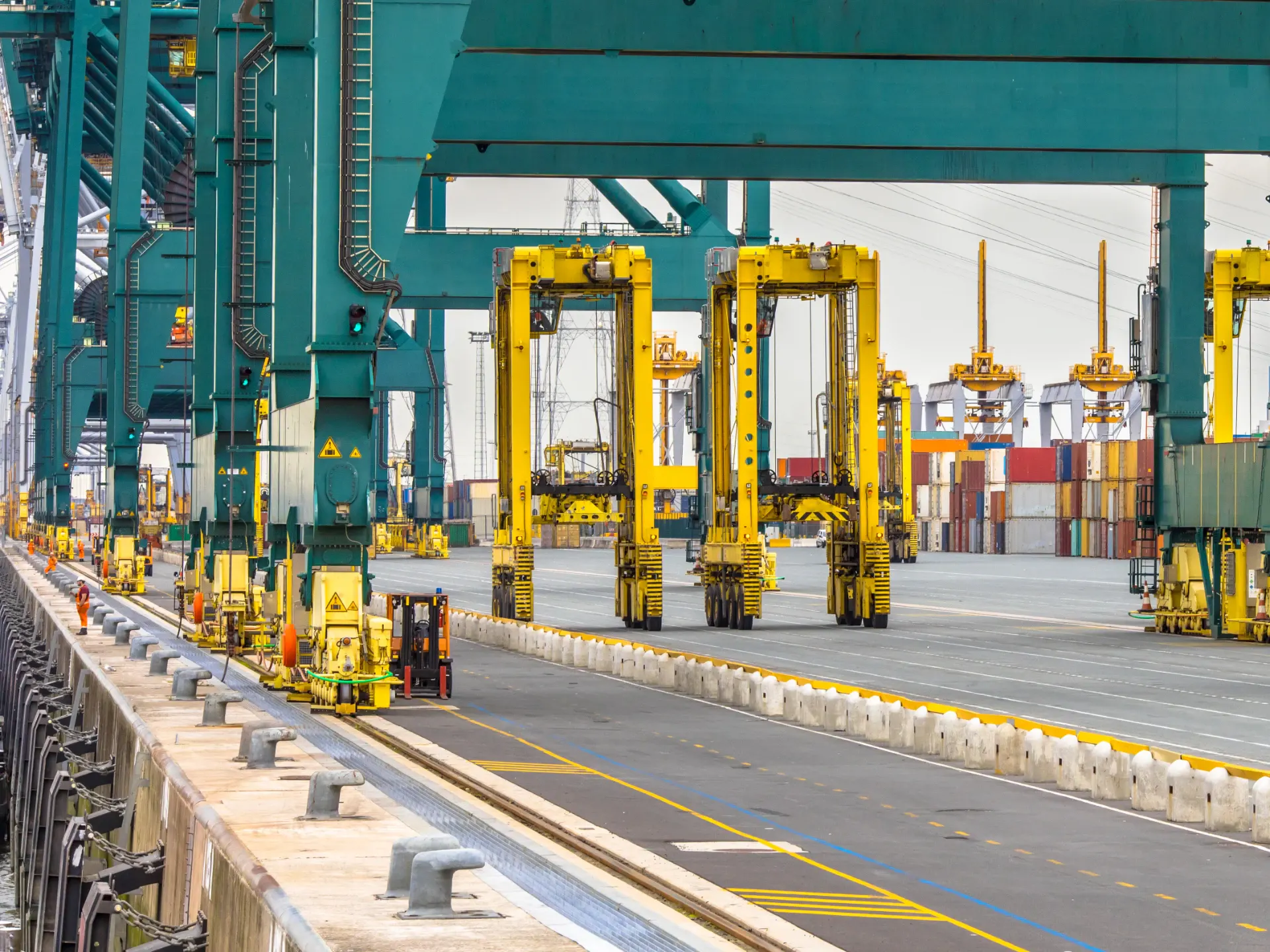
Saudi Arabia's western gateways remain central to the regional network. Jeddah and King Abdullah Port handle domestic cargo alongside rising volumes moving on to the wider Gulf through multimodal solutions. Sustained throughput and continued network adjustment are straining terminal yards, container depots, customs operations and trucking capacity.
"Customers may experience longer lead times, slower equipment turnaround and reduced schedule predictability, which could lead to increased costs across inland transport and security-related operations," the company said. It expects conditions to remain operationally challenging in the near term, with continued pressure on the western ports and the supporting logistics infrastructure.
The carrier says it is adapting by reconfiguring networks, deploying alternative gateways, expanding multimodal routing, sharpening capacity planning and increasing operational monitoring. Its guidance to shippers is to build flexibility in anyway: "Customers should continue to plan for variable lead times, provide early visibility of anticipated volumes, maintain routing flexibility and engage their Maersk representatives on the most suitable options as conditions evolve."
Three services is a small share of an East to West network, and the wording around them is doing real work. A conditional restart keeps the canal option warm without committing the strings that would be most expensive to pull back out, and it leaves the carrier free to reverse on a single security assessment rather than a schedule change.
This story is part of the Maritime Briefing of 11 September 2026.