Maersk Forecast to Slide to Fourth in the Liner Rankings by 2028
Linerlytica puts the carrier's fleet growth at 2% a year since 2018 against 11.7% for its rivals
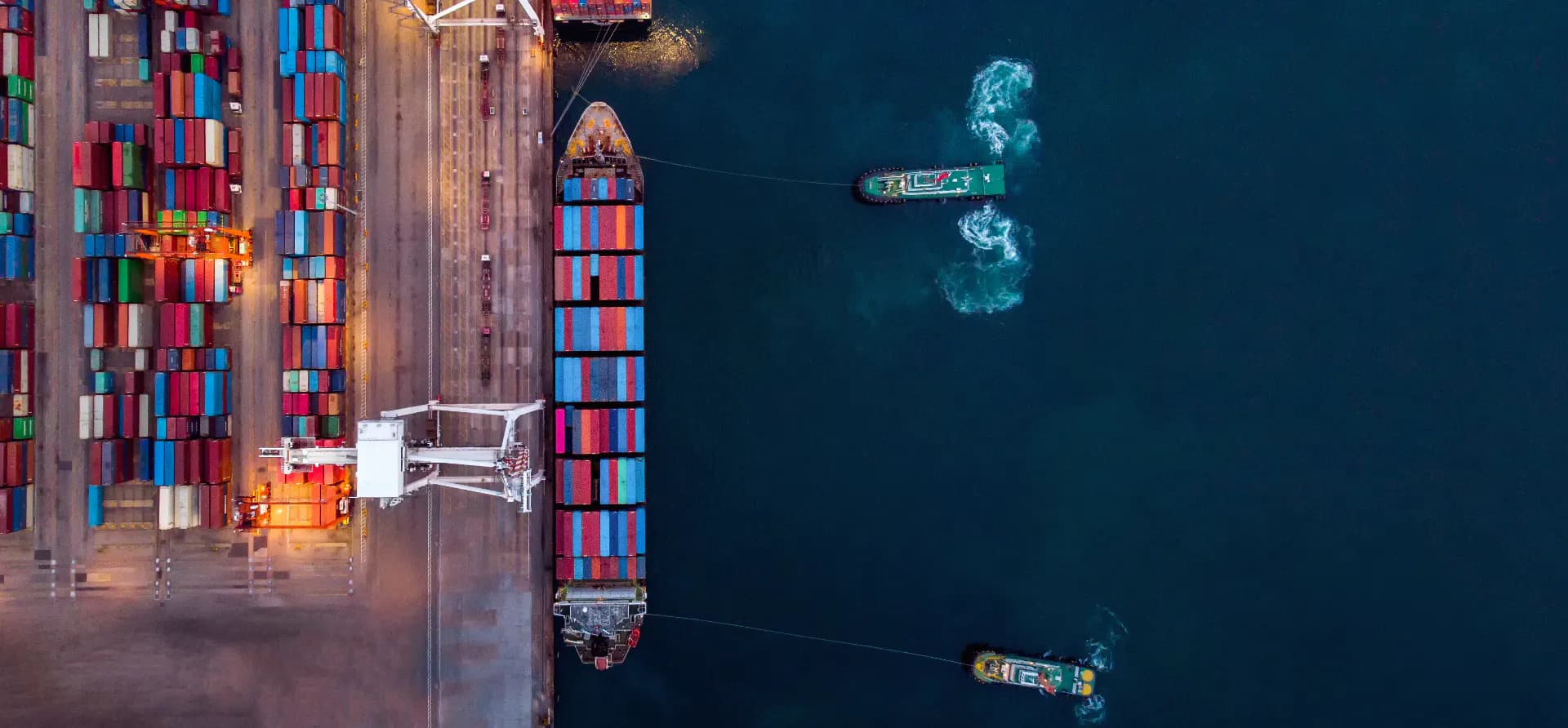
Maersk is on course to slip from first to fourth in the global liner rankings inside six years, with COSCO and CMA CGM both expanding at a rate the Danish carrier spent most of the decade declining to match.
The company surrendered the top position to Mediterranean Shipping Co in early 2022, when the two operators each controlled slightly more than 4.2m teu. MSC has since added several million teu and continues to run the largest newbuilding programme in the industry, moving decisively clear at the top. The pressure now comes from behind. Linerlytica expects COSCO to pass Maersk by 2028, while CMA CGM is closing on second place with a substantially larger orderbook.
The latest movement came from COSCO, which added 18 ships of roughly 280,000 teu and lifted its orderbook to 1.89m teu, equal to 52% of its 3.67m teu operating fleet and the highest orderbook-to-fleet ratio among the world's ten largest carriers. That package comprises 12 LNG dual-fuel megamaxes at Shanghai Waigaoqiao Shipbuilding and six 3,200 teu wide-beam feeders at Huangpu Wenchong, worth a combined RMB20.27bn ($2.99bn), and takes the group's containership contracting this year to 48 ships, around 676,800 teu and approximately $8bn.
Maersk's own position has already shifted. The operated fleet has climbed above 4.7m teu, breaking the 4m to 4.4m teu cap that defined its strategy for most of the decade, and management said alongside second-quarter results that the company would ensure it has the capacity to grow. Linerlytica calculates its annualised fleet growth since 2018 at 2%, against 11.7% among key competitors.
The difficulty is timing. The global containership orderbook has reached a record 14.84m teu, equivalent to 43.1% of the existing fleet, following the COSCO deals. Alphaliner analyst Jan Tiedemann, pointing to the carrier's aggressive chartering, said Maersk had got its timing wrong and had ordered large newbuildings "too late and too few".
Not every assessment reads the restraint as a mistake. Drewry managing director Philip Damas has argued that a smaller orderbook leaves Maersk less exposed to the overcapacity expected from late 2027, with the option of buying tonnage cheaply in the next downturn. Andy Lane of CTI Consultancy notes that around a quarter of today's global fleet is due to hit the water across 2027 and 2028, potentially just as disruptions such as the Red Sea crisis ease.