Maersk Approaches Its Fleet Limits as Utilisation Hits 96%
Ocean volumes up 4.1% in the second quarter with landside infrastructure now the bottleneck
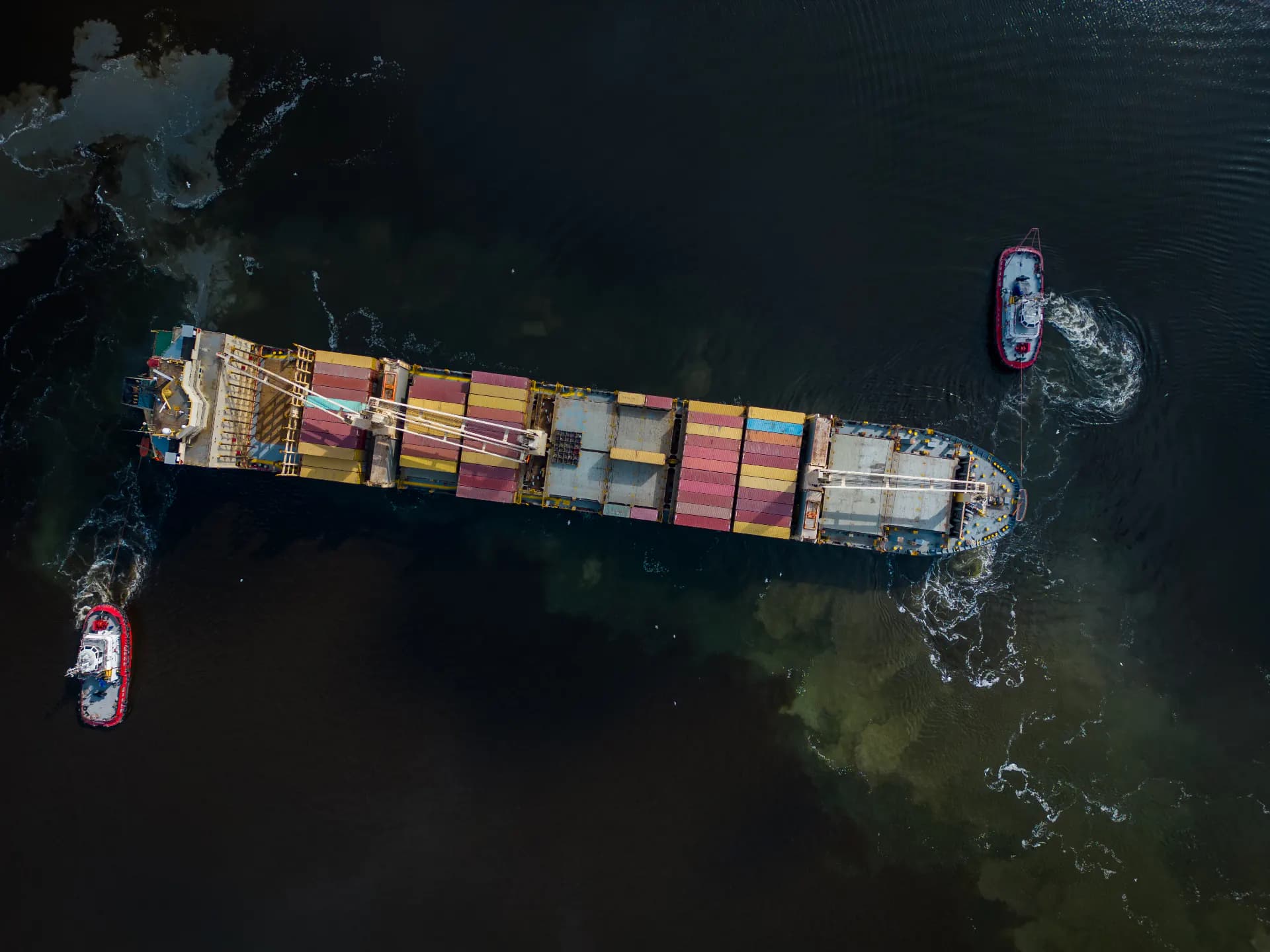
Maersk is approaching the operational limits of its current fleet, chief executive Vincent Clerc said on the company's second-quarter earnings call, with demand resilience rather than capacity discipline driving the change.
Current cargo volumes have held strong despite tariff disputes, energy price volatility and geopolitical uncertainty. Second-quarter ocean freight volumes grew 4.1% year on year and vessel utilisation reached 96%, a level at which a network has very little room to absorb a delayed sailing or an omitted call.
Clerc indicated that freight rates may continue to fluctuate significantly but are likely to remain above historical averages. That outlook has pushed the company to reassess fleet expansion, a decision it had not previously prioritised. Network efficiency gains through the Gemini Alliance have helped optimise deployed capacity, but Clerc acknowledged that further fleet expansion may soon be necessary.
The composition of the cargo has shifted alongside the volume. Industrial goods including batteries, solar panels and wind power equipment now dominate cargo volumes, displacing consumer goods, and steady growth in trade out of the Far East is reshaping the pattern of flows. That mix carries different stowage, weight and handling characteristics from the consumer boxes the network was built around.
The constraint that Clerc identified sits ashore rather than afloat. Ports, railways and roads are struggling to keep pace, with capacity pressure in Northern Europe, West Africa and at major Chinese ports. Infrastructure development timelines run far longer than the delivery schedule for new vessels, which means additional tonnage cannot resolve the bottleneck on its own.
On the question of surplus capacity from the global container ship orderbook, Clerc argued that concerns may be overstated. Asian volume growth and imbalanced trade flows could absorb much of the incoming tonnage, and backhaul volumes are expanding faster than the overall market, which requires proportionally greater capacity to serve. Maersk has kept a comparatively restrained orderbook through the current ordering cycle; the acknowledgement that adding capacity may now be unavoidable marks a shift from the position the company has held since 2023.