LNG Canada Phase 2 approved, doubling Kitimat exports to 28 mtpa
Shell's partners commit to two more trains, as Ottawa puts C$1.2bn into marine safety for rising West Coast traffic
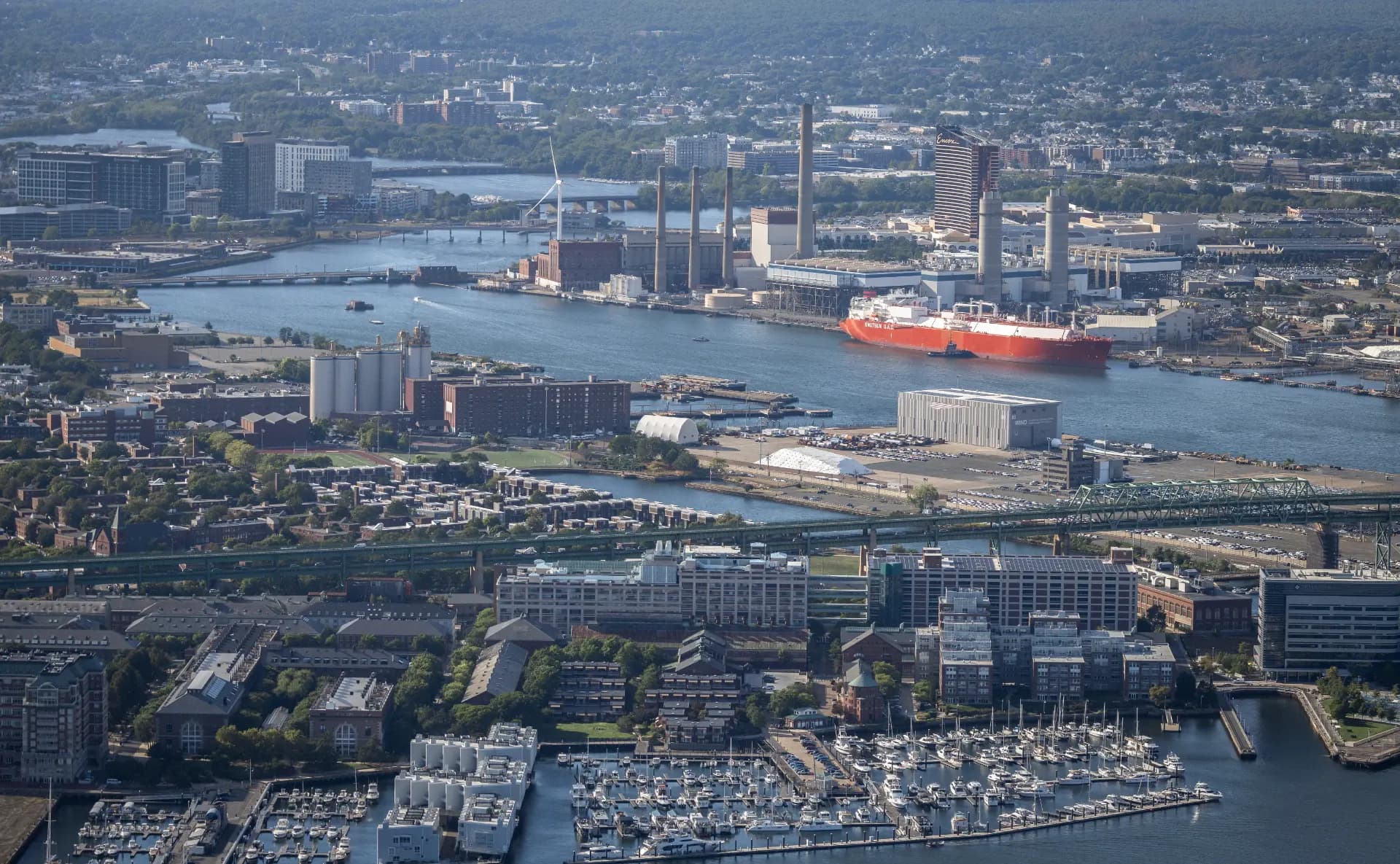
LNG Canada will double its export capacity in the early 2030s after the Shell-led project took the final investment decision on its second phase at Kitimat, British Columbia, on 29 September. Phase 2 adds two liquefaction trains and raises the plant's capacity from 14 million to 28 million tonnes a year.
The plant, Canada's first LNG export facility, shipped its first cargoes in the summer of 2025. Its shareholders are Shell, which holds 40% and will receive nearly 6 million tonnes a year of additional LNG from the expansion, Petronas, PetroChina, Mitsubishi and Korea Gas Corporation. The partners will keep the existing equity lifting structure, under which each takes its own share of the output and supplies its own share of the feed gas.
The project is positioned to supply Asian buyers, where Shell expects demand to grow strongly; its LNG Outlook 2026 puts the rise in global LNG demand at about 65% by 2050. "LNG Canada is a core part of our Integrated Gas portfolio, helping to supply LNG to customers in Asia at a time when diversity of energy supplies and energy security are increasingly important," said Cederic Cremers, Shell's Integrated Gas president. Phase 2 heads the list of five major projects of national importance that Prime Minister Mark Carney proposed in the autumn of 2025 to diversify Canada's energy exports away from the United States.
The same day, Carney announced C$1.2bn ($843m) for ocean protection and marine safety, tying the spending to the growth in shipping that LNG, port and resource projects will bring to the West Coast. He named the expansion of the Port of Vancouver and the Roberts Bank Terminal 2 project as sources of additional traffic and described the policy as a "protect while we build" approach.
More than C$740m over four years goes to marine safety and conservation, including more capacity at the Canadian Coast Guard's Marine Communications and Traffic Services centres, wider VHF radio and radar coverage, better vessel traffic management and new response capability at existing search and rescue stations. The package also funds a high-resolution nearshore ocean forecasting system and new recovery tools for ship-source pollution, including spills of hazardous and noxious substances. Transport Canada will replace the ageing digital systems it uses for cargo inspections, port state control, domestic vessel oversight and seafarer certification.
A further C$136m over four years is set aside for marine-life protection, including a larger marine mammal spill-response programme and a Quiet Vessel Technology Fund, which will start with ferries and tugs in the Salish Sea. C$186m goes to Indigenous-led conservation and marine management. The spending builds on the Oceans Protection Plan, launched in 2016 and renewed in 2022.
This story is part of the Maritime Briefing of 5 October 2026.