Korean Owners Swap Twenty-Eight Ships To Concentrate Gas And Tanker Fleets
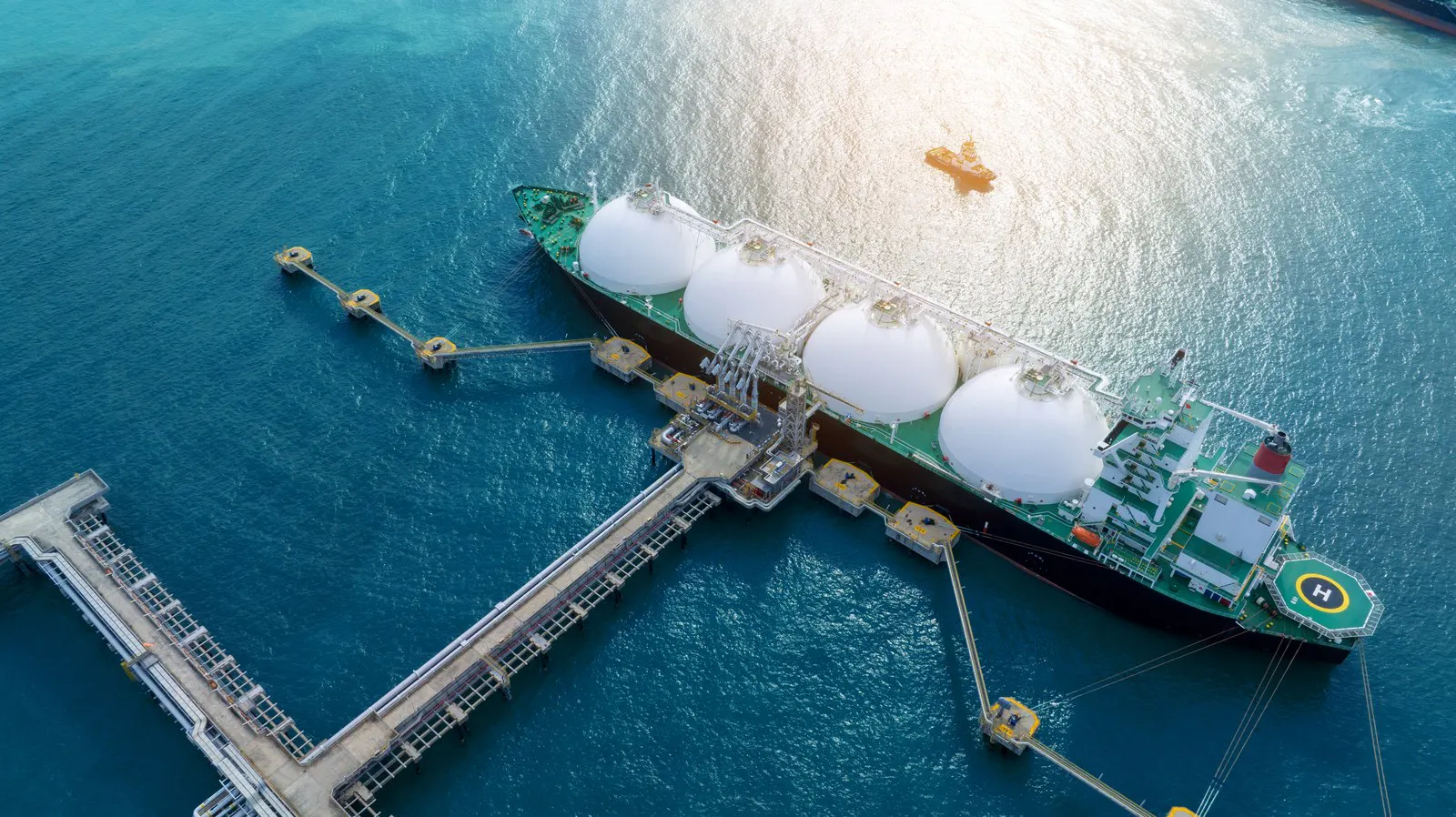
Two South Korean shipowners under common private equity ownership are exchanging twenty-eight vessels in a reshuffle that will double one company's fleet of gas carriers to thirty-two ships and leave the other concentrated in crude and product tankers. Under the arrangement, sixteen gas carriers and their long-term charters move in one direction, while eleven very large crude carriers and one medium-range product tanker, together with their associated contracts, move the other way, alongside a cash payment of around three hundred million dollars and transfers of related financing.
Swaps of this kind are unusual because they are difficult to price. Each side has to agree a value not just for the steel but for the charters attached to it, and long-term gas contracts and tanker employment respond to entirely different markets. That the parties share a private equity owner explains how the transaction became feasible: the valuation problem is far easier to solve inside a single ownership structure than across an arm's-length negotiation between competitors.
The strategic logic is straightforward specialisation. A fleet of thirty-two gas carriers backed by long-term charters is a different business from a spot-exposed tanker fleet, with different customers, different risk and a different cost of capital. Gas carriers on multi-year contracts to established buyers produce predictable cash flows that support cheap leverage. Crude tankers earn more in a strong market and lose more in a weak one. Holding both inside one company blurs the equity story and tends to leave the combined entity valued below the sum of its parts.
The gas ambition is regional as much as corporate. Long-term contracted gas tonnage in Asia has been concentrated among a small group of Japanese and Korean owners with the balance sheets to hold ships for twenty years, and scale within that group determines who is invited to bid for the next round of project business. Reaching thirty-two ships moves the acquiring owner into contention for the largest such contracts rather than the follow-on tranches.
On the other side of the exchange, taking eleven very large crude carriers concentrates that owner in a segment where earnings have been volatile but where fleet growth has been restrained by limited newbuilding capacity and by uncertainty over future propulsion. Crude tanker demand has also been reshaped by the rerouting of cargoes around disrupted waterways, which lengthens voyages and absorbs tonnage. Whether the trade proves well-timed depends on how long those longer routings persist, which is a geopolitical question rather than a shipping one.