Five dead and 86 missing after ferry fire on the Manila to Coron run
Survivors describe an explosion from the vehicle hold before the fire spread through the ship
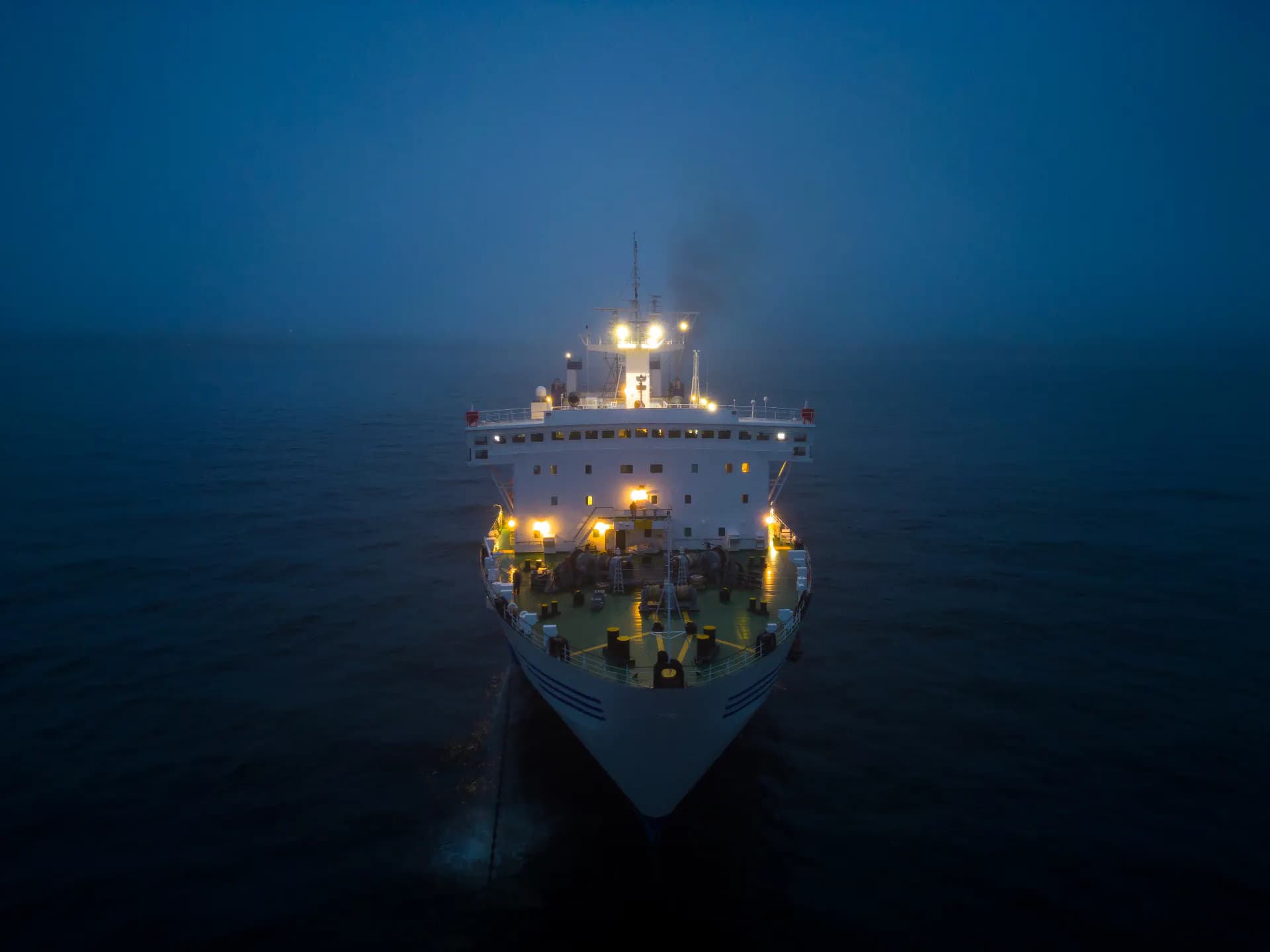
Five people have been killed and 86 remain unaccounted for after fire broke out aboard the ferry June Aster on passage from Manila to Coron, Palawan. Forty-three people have been rescued. The Philippine Coast Guard has been working through poor weather as the search continues.
The vessel was carrying 134 people, 117 passengers and 17 crew, when the fire began at 18:45 local time on Wednesday. By the following morning the Coast Guard confirmed that the fire was still not out.
A survivor recounted hearing an explosion from the hold, which at the time was carrying multiple vehicles including five motorcycles. On a ro-ro ferry the vehicle deck is the compartment that turns a contained fire into a ship-wide one: it is a single open volume, the cargo is fuelled, and once the space is alight there is very little between it and the passenger accommodation above.
Roland Lerma, a 30-year-old construction worker from Leyte province travelling to work in Coron, described a sudden bang after dinner followed by thick, dark smoke, and a fire minutes later. He said he ran for the side of the ship, slipped before reaching the edge, and was trampled by other passengers before managing to jump. He used his belongings to stay afloat and saw children jumping as well.
He and others spent roughly two hours in the water before rescue reached them. "It was cold. If the rescue was delayed, I would definitely have died," he said. Three of his colleagues are in hospital on the island and two are missing.
Lerma said the boat was old and that no one was wearing a life jacket. That detail bears directly on the survival numbers: in a night evacuation into open water, the interval between abandoning ship and recovery is the variable that decides how many people are still alive when boats arrive, and a life jacket is what stretches it.
With 86 people still missing, the casualty stands among the more severe to have struck the Philippine domestic fleet, which carries passengers across an archipelago of some 7,100 islands on routes where inter-island ferries are the only practical link.
This story is part of the Maritime Briefing of 11 September 2026.