JFE Completes Japan's First Domestically Built Offshore Wind Monopile
The 80-metre, 2,000-tonne foundation is the first of 21 for the 315 MW Oga-Katagami-Akita project
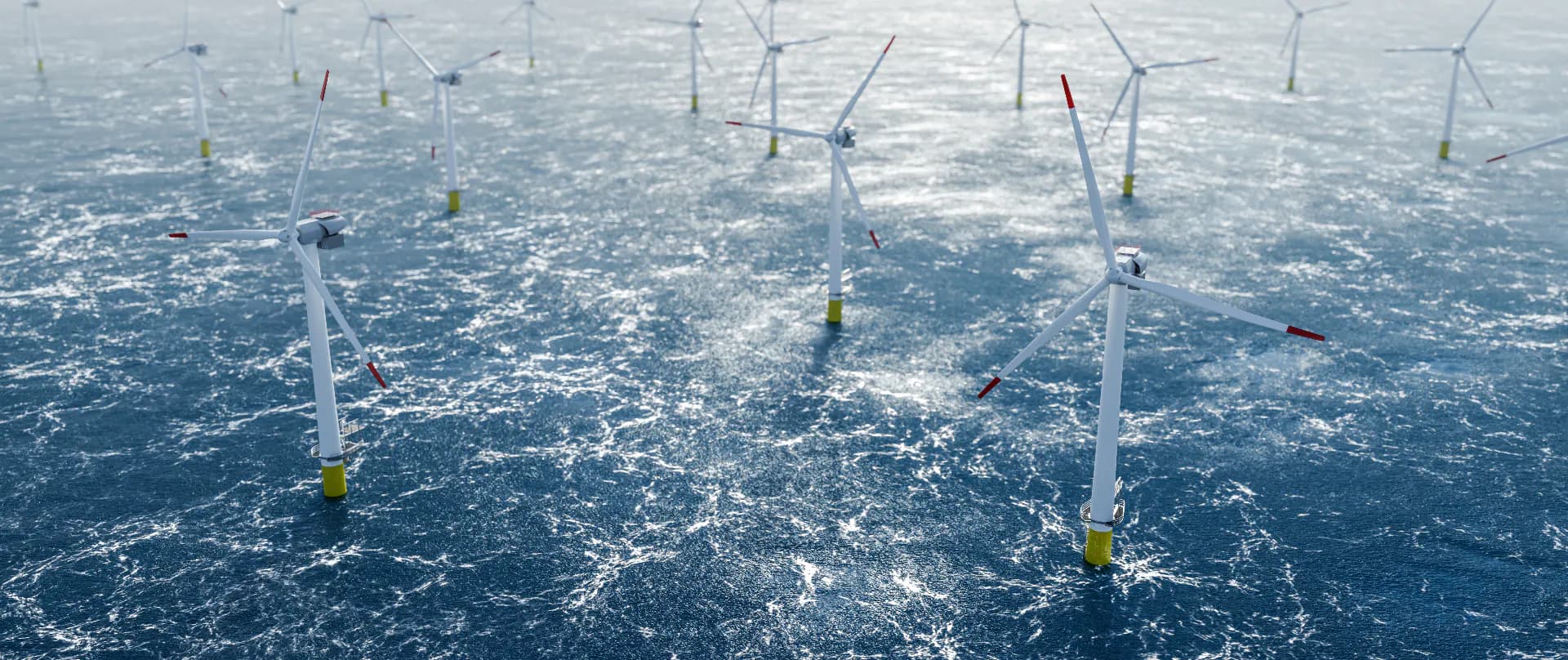
JFE Engineering has completed what it says is Japan's first domestically manufactured monopile for a commercial offshore wind development, rolling out the first foundation for the 315 MW Oga-Katagami-Akita project.
The foundation was completed at JFE's Kasaoka monopile plant in Okayama prefecture, with the company marking the milestone on 26 August. The first unit is about 80 metres long, up to 11 metres in diameter and weighs around 2,000 tonnes, placing it in the size class that has become standard for fixed-bottom developments in northern European waters.
JFE is working under a contract from Kajima covering the manufacture and transport of 21 monopiles and transition pieces. Production and deliveries are scheduled to run through March 2027, with the package requiring around 43,000 tonnes of steel.
The wind farm is being developed by a consortium comprising JERA Nex bp Japan, J-Power, Tohoku Electric Power and Itochu, and will feature 21 Vestas 15 MW-class turbines. In May, Belgian marine contractor DEME, through Japan Offshore Marine and alongside Penta-Ocean Construction, secured the turbine installation work, with the Sea Challenger due to carry out offshore installation in the second half of 2027.
The milestone matters mainly for the supply chain rather than the schedule. Japanese offshore wind projects have so far depended on imported foundations, which adds long-haul heavylift voyages and exposes developers to congested European and Asian fabrication slots. JFE commissioned its Kasaoka factory in 2024 and describes it as Japan's only domestic monopile manufacturing base, with capacity to produce around 50 large monopiles a year.
That capacity is modest against the country's stated offshore wind ambitions but sufficient to serve a project of this size without foreign fabrication. It also shortens the transport leg to a domestic coastal voyage, a logistical change that has repeatedly proved decisive in monopile installation campaigns elsewhere, where foundation availability rather than vessel availability has set the pace of work offshore.