Japan Puts $3.8bn Behind Imabari, JMU and Namura in Its First Yard Tranche
The government contributes nearly $1.4bn of the total, with Imabari and Tadotsu taking the largest share
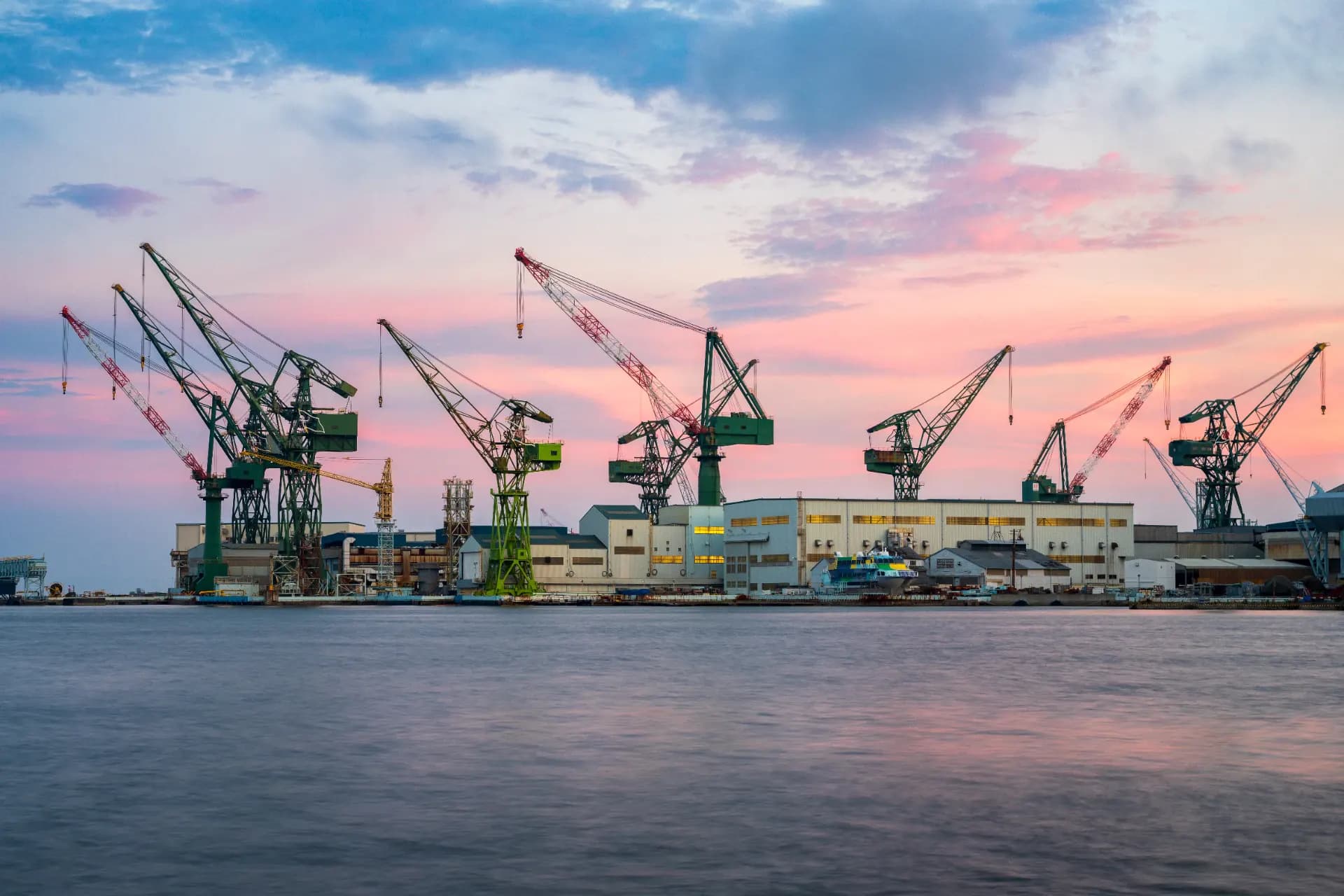
Japan's Minister of Transport has unveiled the government's first investments in the shipbuilding industry under an ambitious plan to expand it, naming three recipients and a combined value of 600bn yen, or about $3.8bn.
Minister Yasuyuki Kaneko said shipbuilding is one of 17 priority areas in the government's growth strategy, and that the revitalisation of Japan's shipbuilding industry is finally getting under way. The programme will be rolled out in several phases with a total investment of approximately 1 trillion yen, around $6.4bn, drawn from a combination of public and private sources. The goal is to double Japan's shipbuilding volume by 2035.
The first three investments go to Imabari Shipbuilding, Japan Marine United and Namura Shipbuilding. The government is contributing nearly $1.4bn of the $3.8bn total. Imabari and its subsidiary Tadotsu Shipyard receive the largest portion at approximately 114bn yen, or $729m, in government subsidies. Japan Marine United receives a maximum of 49.4bn yen, about $316m, while Namura and its subsidiary Hakodate Dock receive up to 49.9bn yen. The companies are to use the money to expand and modernise their plants, with one focus on developing advanced technologies for the next generation of ocean shipping.
These three cases represent just a small portion of the numerous investment plans submitted by various businesses, essentially the first phase, Kaneko said.
The starting position explains the size of the ambition. Once one of the leaders in shipbuilding, Japan's market share has fallen sharply as lower-cost competition emerged in South Korea and China. For 2025, the Japan Ship Exporters' Association reported total orders of 186 ships totalling just under 9m gross tons, down 16.5% against 2024, and deliveries of 191 ships for export totalling 8.32m gross tons. That left Japan with roughly 9% of global orders. The industry had said it would need government support to reclaim a portion of the business it lost.
Capital is the easier half of the problem. Japanese yards have also identified a workforce gap that money alone does not close, a constraint set out in the labour shortfall behind the doubling plan. A modernised dock still needs welders, outfitters and designers, and the pool of them has been shrinking for as long as the market share has.
The move also lands in a crowded field. South Korean yards are pursuing US naval work, Chinese groups are running record order books, and every major shipbuilding nation now treats the sector as strategic rather than merely industrial. What separates Japan's approach is that it is being executed as newbuilding capacity investment at named yards rather than as a general subsidy, which makes the first tranche a reasonable guide to where the rest will go.