Iran rejects Omani plan to share management of Hormuz
Iran has rejected an Omani proposal to divide management of the Strait of Hormuz equally between the two countries and is instead demanding control of the entire inbound shipping lane along with part of the outbound route. Iranian deputy foreign minister Kazem Gharibabadi said Tehran would not recognise the southern route through Omani waters even for one hour and would keep the strait closed unless Muscat accepted the alternative, adding that Iran no longer recognises the traffic separation scheme adopted internationally in 1968.
Under the Iranian proposal, Oman would retain oversight only of waters within its own jurisdiction, while Iran would control all inbound traffic and a share of the outbound lane. That formula would give Tehran effective authority over the approach used by tankers loading in the Gulf, and would formalise the position it has asserted by force in recent months. It leaves unresolved the wider effort to restore predictable navigation through a corridor that handled roughly a fifth of global oil supplies before traffic was severely disrupted.
Oman presented its plan to Iranian officials in Tehran over the weekend. It envisaged a regional mechanism under which shipping companies would make voluntary contributions towards navigational services, environmental protection and search and rescue, drawing on the cooperative arrangement used by Indonesia, Malaysia and Singapore in the Straits of Malacca and Singapore. That model is deliberately unthreatening: it distributes cost rather than authority, and it has functioned for decades without any single state claiming control of the waterway.
Oman's foreign minister Sayyid Badr Albusaidi joined Gulf Cooperation Council counterparts on 28 July to review the negotiations and discuss navigation safety, passage rights and uninterrupted shipping. A statement issued five days earlier by the council and Jordan supported work with regional states and the International Maritime Organization towards permanent arrangements consistent with international law, but stopped short of publicly endorsing an equal division of responsibility. The organisation itself was not involved in the latest round of talks and has said any new routing or traffic-management measures would need to be submitted to member states, while the 1968 scheme remains the internationally recognised route.
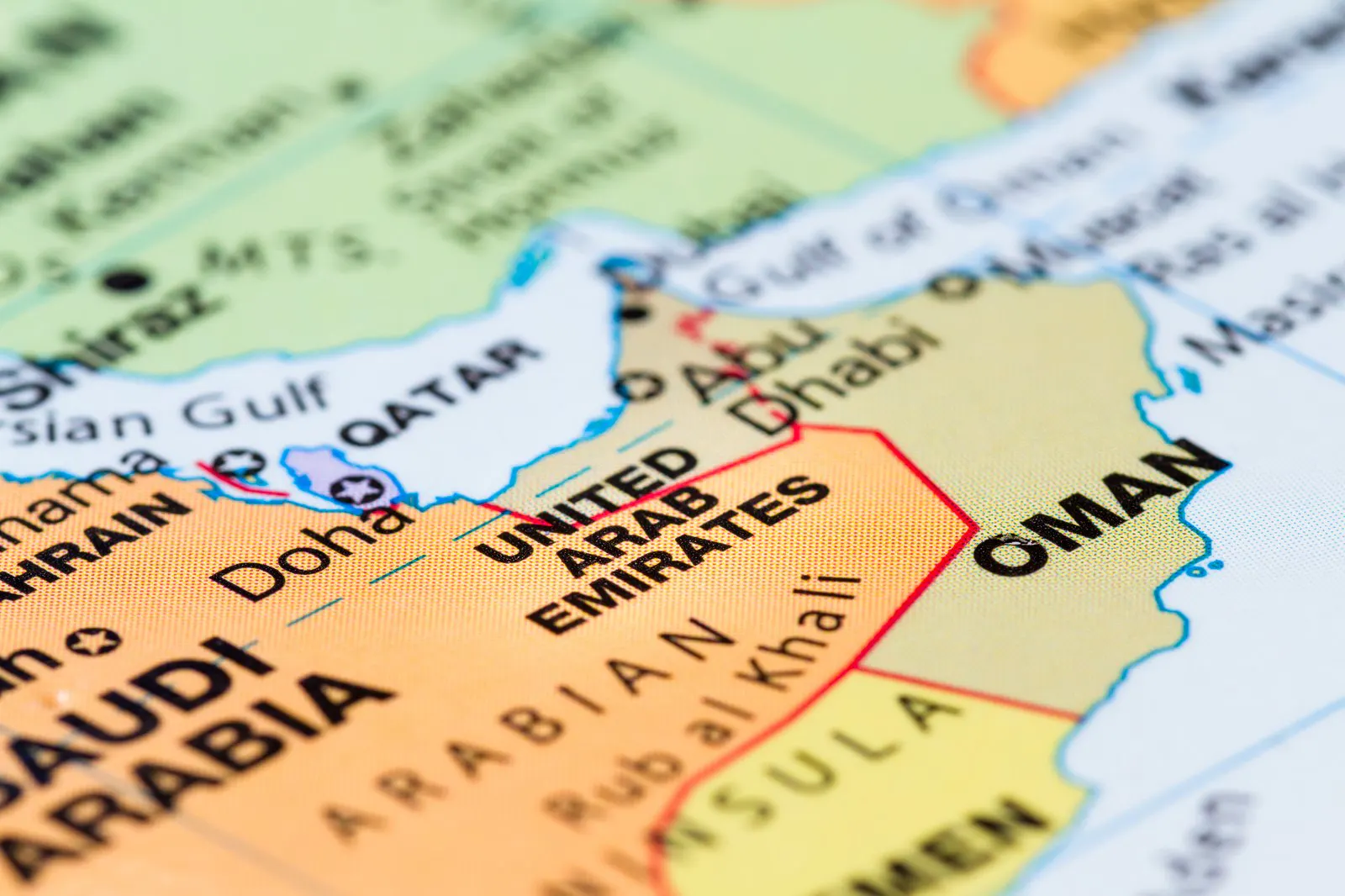
The strait lies between Iran and Oman and connects the Persian Gulf with the Indian Ocean, serving as the principal export route for oil and other cargoes from several Gulf producers. For owners, the practical consequence of the deadlock is that no authority can currently guarantee safe passage on terms that are both legally clean and accepted by all parties on the water. Until that changes, routing decisions will continue to be made vessel by vessel, on assessments of risk rather than on any agreed regime.