Indian yard to build four platform supply vessels for ONGC
Garden Reach Shipbuilders and Engineers has won a contract worth 1,032 crore rupees including tax, around 123 million dollars, to design, build and deliver four platform supply vessels for Oil and Natural Gas Corporation. The Kolkata yard received the notification of award on 30 July, with the work to be executed over a 48-month period and the vessels built to Indian Register of Shipping rules at a bid price of about 258 crore rupees each.
The vessels are conventional in size and unconventional in propulsion. Each will measure around 80 metres by 20 metres with about 3,000 tonnes deadweight and roughly 650 square metres of clear deck, with endurance specified at 45 days plus three. Propulsion is hybrid, combining electrically driven azimuth thrusters with a lithium-ion battery energy storage system intended to handle peak load management, spinning reserve, dynamic positioning support and emergency response.
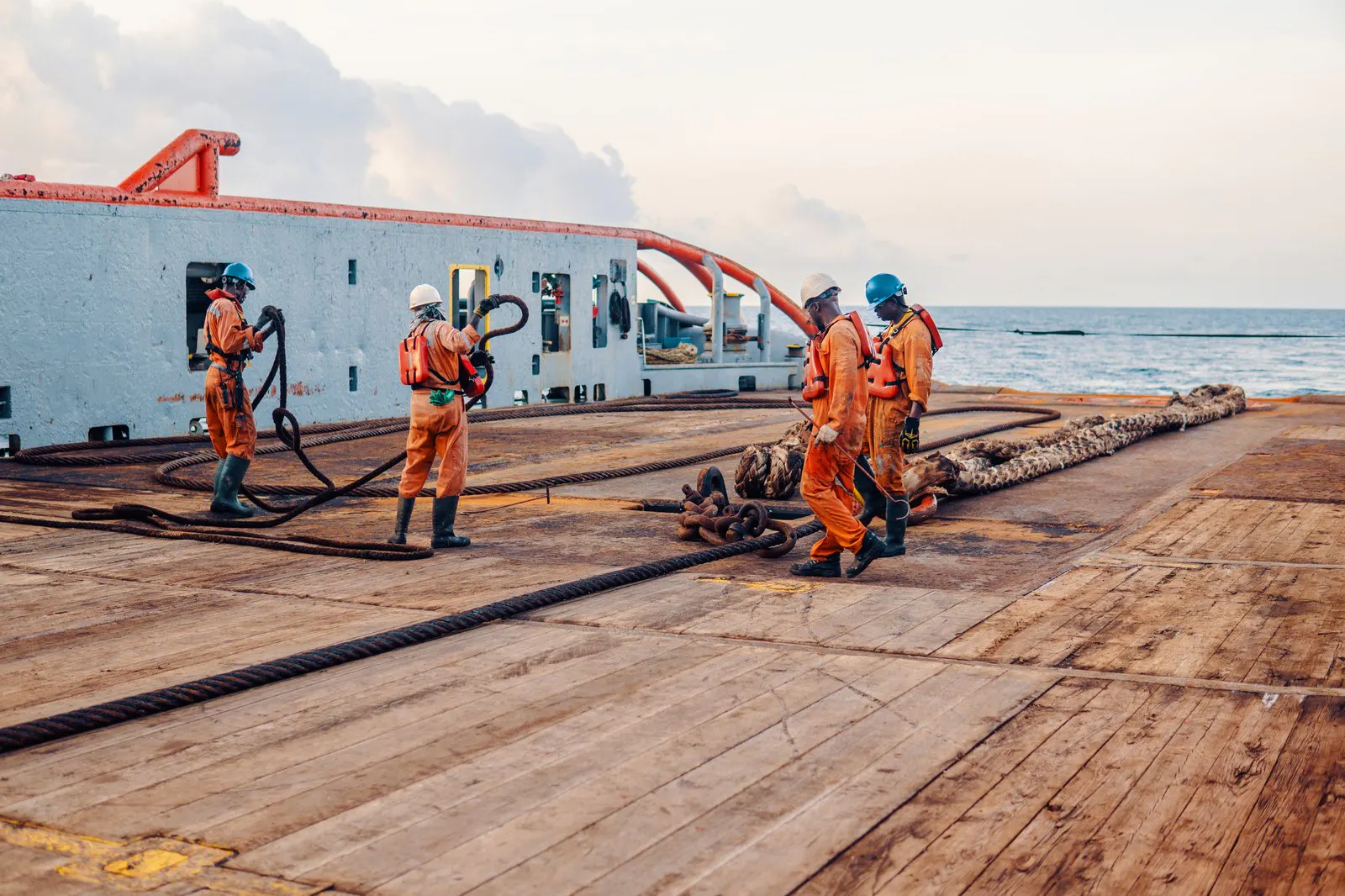
Battery hybridisation makes more sense on a supply vessel than on almost any other commercial ship type. A PSV spends much of its working life either standing by or holding position on dynamic positioning, both of which involve running engines far below their efficient load. A battery bank absorbs those swings, which cuts fuel burn and engine hours at the same time, and it provides a genuine redundancy layer during close-quarters work alongside a platform.
The contract is more significant as policy than as tonnage. It is the first domestic commercial shipbuilding order placed under the central government's demand aggregation scheme, which pools requirements for around 430 Indian-owned vessels over a ten-year horizon in an attempt to give yards the order visibility that has historically been absent. Financial assistance of between 15 and 25 percent per vessel is available under a shipbuilding support scheme sitting within a 69,725 crore rupee maritime package launched last September.
The builder is a defence yard moving further into commercial work. It has delivered more than 800 vessels over six decades, including 118 warships, and has recently been expanding capacity through both brownfield and greenfield facilities. Whether the aggregation approach succeeds depends on repeat orders rather than this one, since the problem it is designed to solve is not the absence of a single contract but the absence of a pipeline that justifies investment in capacity.