Indian Yard Launches A New Offshore Patrol Vessel
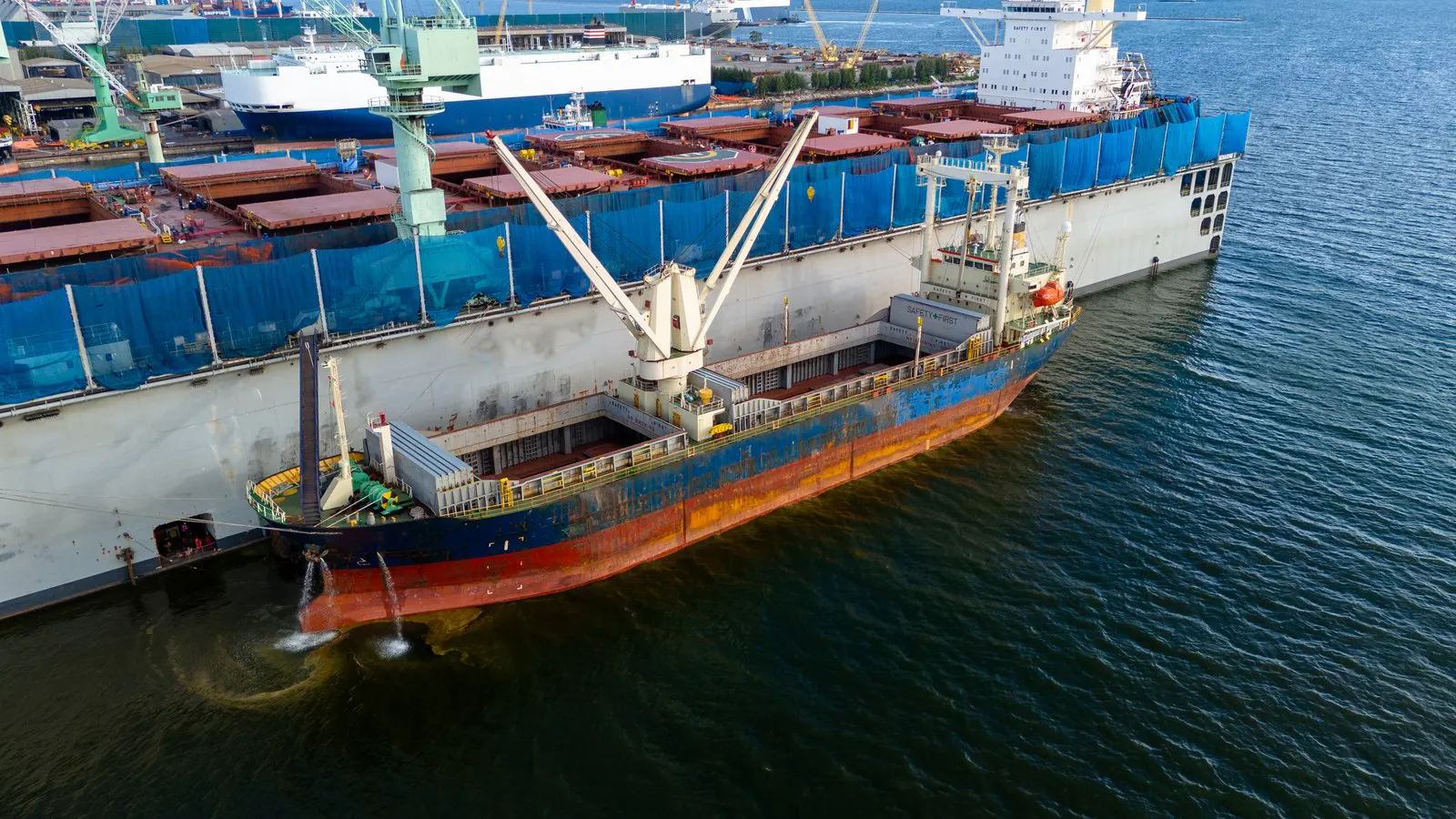
An Indian state-owned shipyard has launched a new offshore patrol vessel for the country's navy, the latest unit in a class of eleven being built across two domestic yards. The launch marks the transition from hull construction to outfitting, during which propulsion, weapons, sensors and accommodation are installed before sea trials and handover.
The class is divided between two builders, with the yard responsible for this launch constructing four vessels and a second facility building the remaining seven, including the lead ship that gives the class its name. Splitting a series between yards is standard practice in Indian naval procurement, spreading industrial workload, sustaining capability at multiple sites and reducing the schedule risk of concentrating an entire programme in one location.
On completion, the vessel will measure over 100 metres in length with a displacement exceeding 2,500 tonnes and will be crewed by 20 officers and 130 sailors. Two diesel engines will provide a maximum speed of 24 knots and a range of 8,500 nautical miles at a cruising speed of 14 knots. The shallow draught is a deliberate design choice, allowing the ship to work in coastal waters and among island groups as well as on open ocean patrols.
The mission set is deliberately broad. The vessels are intended for protection of offshore energy assets, maritime interdiction, surveillance, mine warfare, search and rescue, evacuation of non-combatants, convoy escort, anti-piracy operations, counter-infiltration patrols, counter-poaching enforcement and humanitarian assistance following natural disasters. That range reflects the reality of patrol work in the region, where a single hull is expected to cover constabulary duties that in other navies might be divided among coast guard and naval units.
Offshore patrol vessels have become the workhorses of navies across the Indian Ocean, offering endurance and helicopter capability at a fraction of the acquisition and operating cost of a frigate. For a service responsible for an exclusive economic zone of considerable size, extensive offshore hydrocarbon infrastructure and busy sea lanes carrying a large share of national trade, the ability to keep numerous hulls at sea matters more than the individual capability of each. The class also supports a wider policy objective of building warships domestically, with the associated design, supply chain and workforce capabilities that entails.