Al Funtas and three more tankers hit in Hormuz as Gulf crude exports recover
The IMO counts 86 incidents and 24 deaths in the Gulf area, while September exports reached 16.5m barrels a day
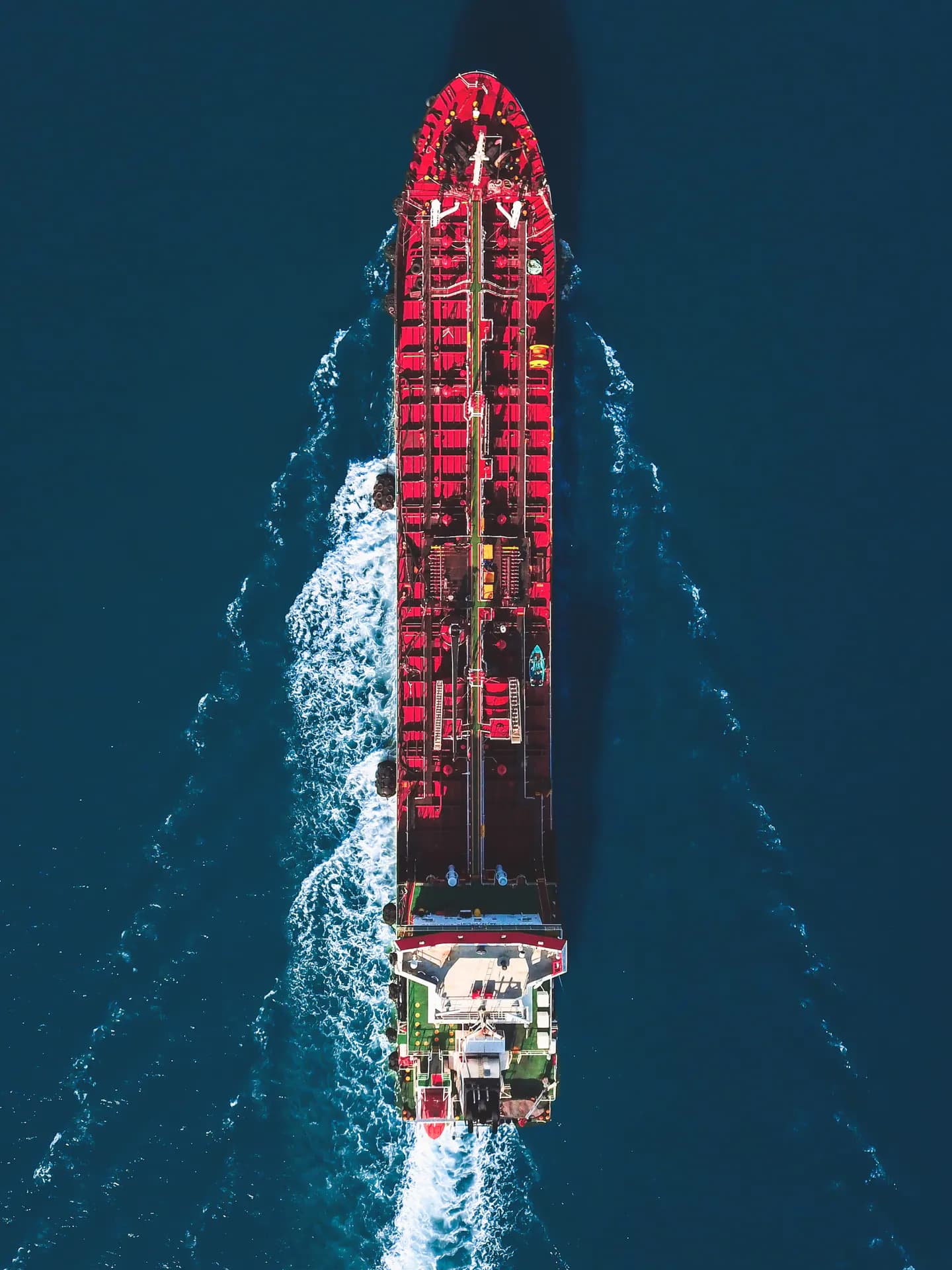
The Kuwaiti VLCC Al Funtas was struck while transiting the Strait of Hormuz on the evening of 28 September, the first confirmed attack in the waterway after a lull of nearly a week. At least three more tankers were hit the following day, and another on 1 October, even as oil exports from the Gulf climbed back to roughly their prewar level.
The 316,648 dwt Al Funtas, built in 2014 and operated by Kuwait Oil Tanker Company, was making the transit with her AIS switched off and did not report the strike herself; the security services learned of it late, from a third party. A fire broke out but was extinguished, and the tanker resumed her voyage. The extent of the damage is not known. She was not on the "non-compliant list" published by Iran's self-styled Persian Gulf Strait Authority, although Iran has threatened Kuwait's tanker operations and listed several of its ships.
UKMTO then reported three incidents on 29 September, all involving tankers, without giving details of the damage. The IMO identified two of them as Liberian-flagged crude tankers that were damaged while transiting dark: the 299,319 dwt VLCC Mersin Prosperity, operated by ADNOC, and the 115,949 dwt Sinbad, last reported at Fujairah and possibly working in the shuttle trade that carries Gulf crude out to tankers waiting in the Arabian Sea. On 1 October UKMTO reported a further tanker hit by an unknown projectile, which started a fire; the crew were safe.
The IMO now puts the number of confirmed incidents involving vessels in the Persian Gulf area at 86 and the confirmed death toll at 24. Iran said warning shots had been fired at vessels "violating" the strait, and an IRGC spokesman, Brigadier General Hossein Mohebbi, said ships transiting without permission would be targeted or would hit a mine. The Persian Gulf Strait Authority has added threats against charterers to earlier warnings to insurers, P&I clubs and class societies.
The traffic is nonetheless growing. Windward counted 55 AIS-visible transits between 16 and 23 September, 16 on 28 September and 17 on 29 September, and says the true number is almost certainly higher because most tankers sail dark. Roughly two-thirds of the oil volume moves through ship-to-ship transfers at the other end.
Kpler puts September exports from the Gulf, by tanker and pipeline combined, at an average of 16.5 million barrels a day, about the prewar level once Iranian barrels held in by the US blockade are excluded. Around 40% of the crude now leaves without crossing Hormuz, against 17% before the war, as Saudi Arabia and the UAE lean on pipelines. Saudi exports reached 6.4 million barrels a day in one week, and two VLCCs and two suezmaxes were loading 6.2 million barrels at Yanbu on 28 September, about two-thirds of the pace before the 10 September attack there.
The recovery has not reached other cargoes. LNG, urea, ammonia, sulphur and refined products are still not moving through the strait at prewar volumes, and Iraqi crude has been sold at up to $37 a barrel below benchmark prices to absorb the cost of getting it out.
This story is part of the Maritime Briefing of 4 October 2026.