Hormuz standoff shifts from access to control
US and Iran stay deadlocked over who governs the strait, with a long-grounded boxship pressed into service as leverage
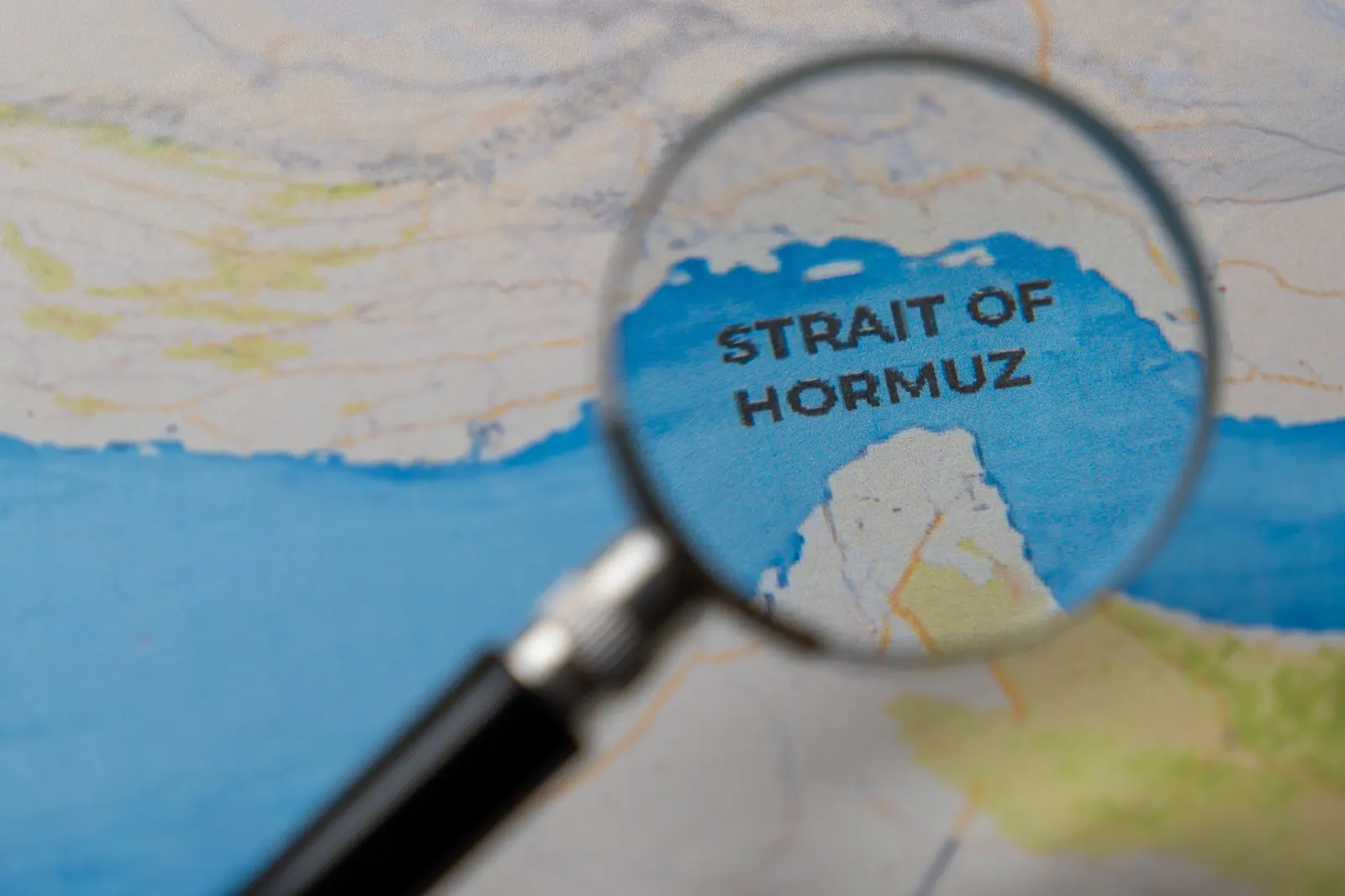
Indirect technical talks between the United States and Iran wrapped up in Doha this week with only a narrow understanding to keep the Strait of Hormuz calm for seven days. Two weeks into a 60-day window, negotiators remain deadlocked over the terms of a memorandum both sides have already signed, and people close to the discussions say a collapse of that understanding now looks more likely than a final deal.
Iran's parliamentary speaker and chief negotiator, Mohammad Baqer Qalibaf, said bluntly that Tehran was not negotiating with Washington at all. Qatar's foreign ministry confirmed there had been no direct high-level meetings, with technical delegations shuttling between Doha and other venues to keep a communication channel open.
The core dispute is over control rather than access. Iran wants joint sovereignty over the strait alongside Oman, with the two administering it and collecting passage fees once the 60-day period ends. Washington argues that any new arrangement in an international waterway must have broader Gulf backing, and US secretary of state Marco Rubio has warned that an Iranian tolling system would make a deal unworkable. Oman has separately floated a plan under which shipping companies would pay service fees to use the waterway, unsettling Western governments and Gulf states that fear it could pave the way for a joint Iran-Oman fee regime on one of the world's busiest energy corridors.
Into that standoff came a grounding that carried outsized weight. Iranian state media said a foreign containership had run aground after failing to use Tehran's approved route, and used the incident to insist that vessels coordinate transits through an authorised corridor south of Larak Island, warning that other routes could lead to irreversible incidents.
Maritime intelligence group TankerTrackers.com identified the vessel as the Comoros-flagged Arista, a 20,643 dwt containership built in 2006 and previously listed under US sanctions. Public tracking data showed the ship had in fact been aground north of Hormuz Island since mid-March, undercutting the suggestion that this was a fresh navigational lesson.