Hormuz moves from shutdown to managed recovery
Transits hit their highest level since the strait closed, but 11,000 seafarers remain stranded and Tehran is still issuing threats.
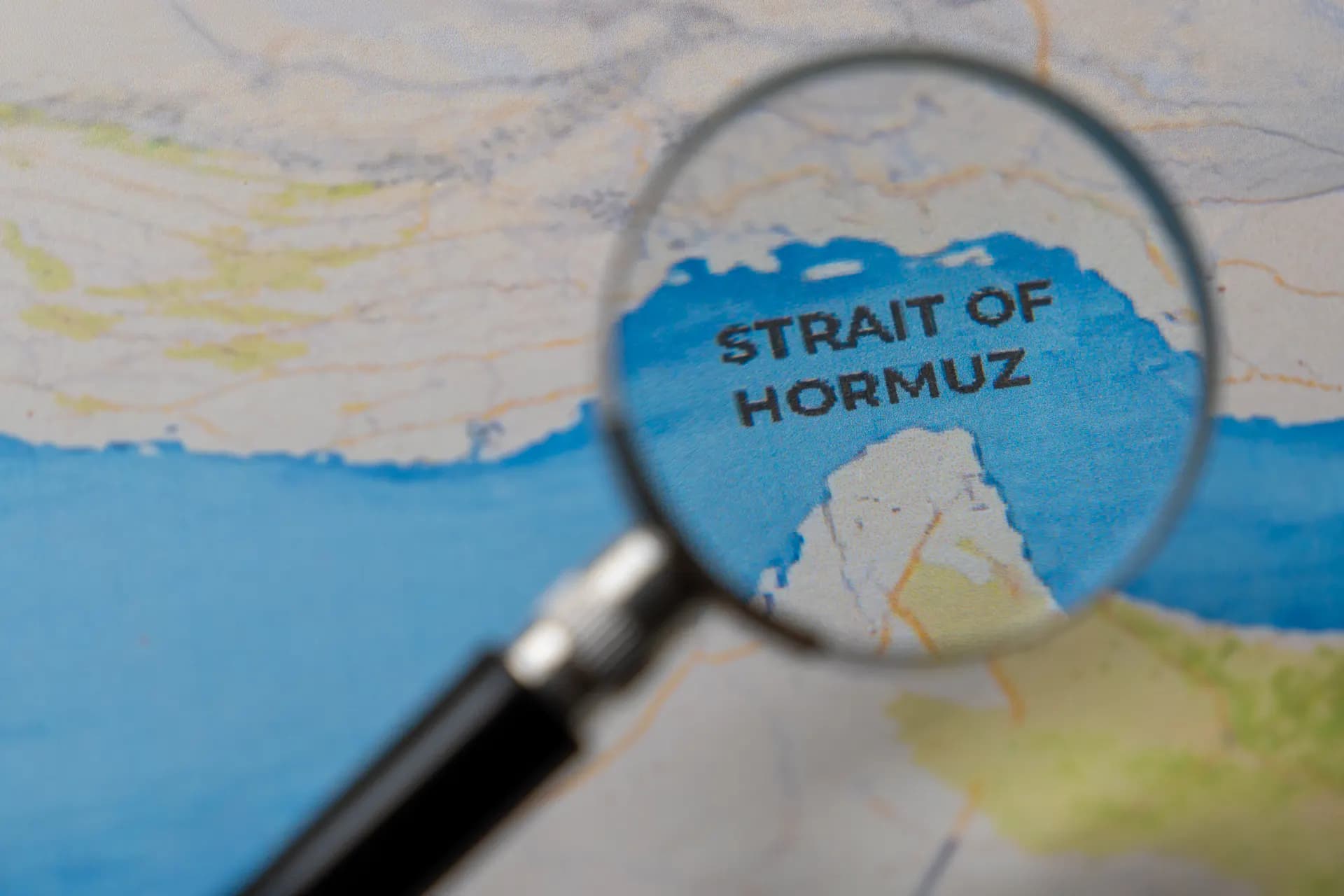
Traffic through the Strait of Hormuz is building momentum, in the clearest sign yet that commercial shipping is edging back toward normal after months of disruption — even as thousands of seafarers remain stranded and the waterway operates under extraordinary restrictions.
Maritime risk specialist Windward said vessel movements recorded the previous day were "the clearest sign yet" that the strait is heading toward "functional commercial normalcy", with transits reaching 31 confirmed passages by 09:39 UTC, a 48% jump on the day before. The improvement follows the IMO's coordinated evacuation plan and Oman's publication of six authorised eastbound waypoints — the first formal safe-passage routing since the strait effectively closed earlier in the year.
Even so, shipping is far from business as usual, with Tehran still issuing veiled threats over the previous 24 hours. The IMO is overseeing what amounts to one of the largest coordinated maritime evacuations in recent history, working to move more than 11,000 seafarers aboard vessels trapped inside the Gulf.
Owners have been told not to move until contacted by UKMTO or the French-led MICA Centre, with departures sequenced to limit congestion and reduce the dangers from mines, damaged navigation infrastructure and heavy traffic. "The key message to shipmasters right now is: do not move," the IMO said in guidance to industry. Ships will only proceed once given a departure slot, then be directed to a designated waiting area and assigned either the northern route through Iranian waters or the southern route coordinated by Oman and the United States.
The organisation stressed that the existing traffic separation scheme remains unsafe because of reported mine risks, so all movements must follow newly established temporary corridors coordinated by coastal states. Safety assurances are in place, but the IMO warned that movements could still be delayed or suspended if conditions worsen.
The slow reopening coincided with the IMO marking the Day of the Seafarer with an unusually pointed message on the human cost of geopolitical conflict. Under the theme "Carrying world trade. Carrying the risks.", secretary-general Arsenio Dominguez thanked the world's 1.8m seafarers while stressing that their safety remained the organisation's top priority.
UN secretary-general Antonio Guterres struck a similar note. "When nations clash, seafarers are often caught in the crossfire," he said. "Recent events in the Strait of Hormuz have seen tens of thousands of seafarers stranded as they work far from home to keep the world fuelled and fed. Mariners must never be the victims or pawns of geopolitical conflict."
There was some better news for crews caught up in the crisis. Authorities in Ukraine and the Philippines confirmed that Iran's Islamic Revolutionary Guard Corps had begun releasing crew from the Greek-managed containership Epimonidas, seized in April after attempting to transit Hormuz. Four Ukrainian and four Filipino seafarers have returned home, with more expected in the days ahead. The 6,690 teu vessel was one of two MSC-operated boxships intercepted by Iranian forces, which alleged the ships had tried to enter the strait without permission.