HMM Halts Container Ship Orders To Pivot Into Energy Shipping
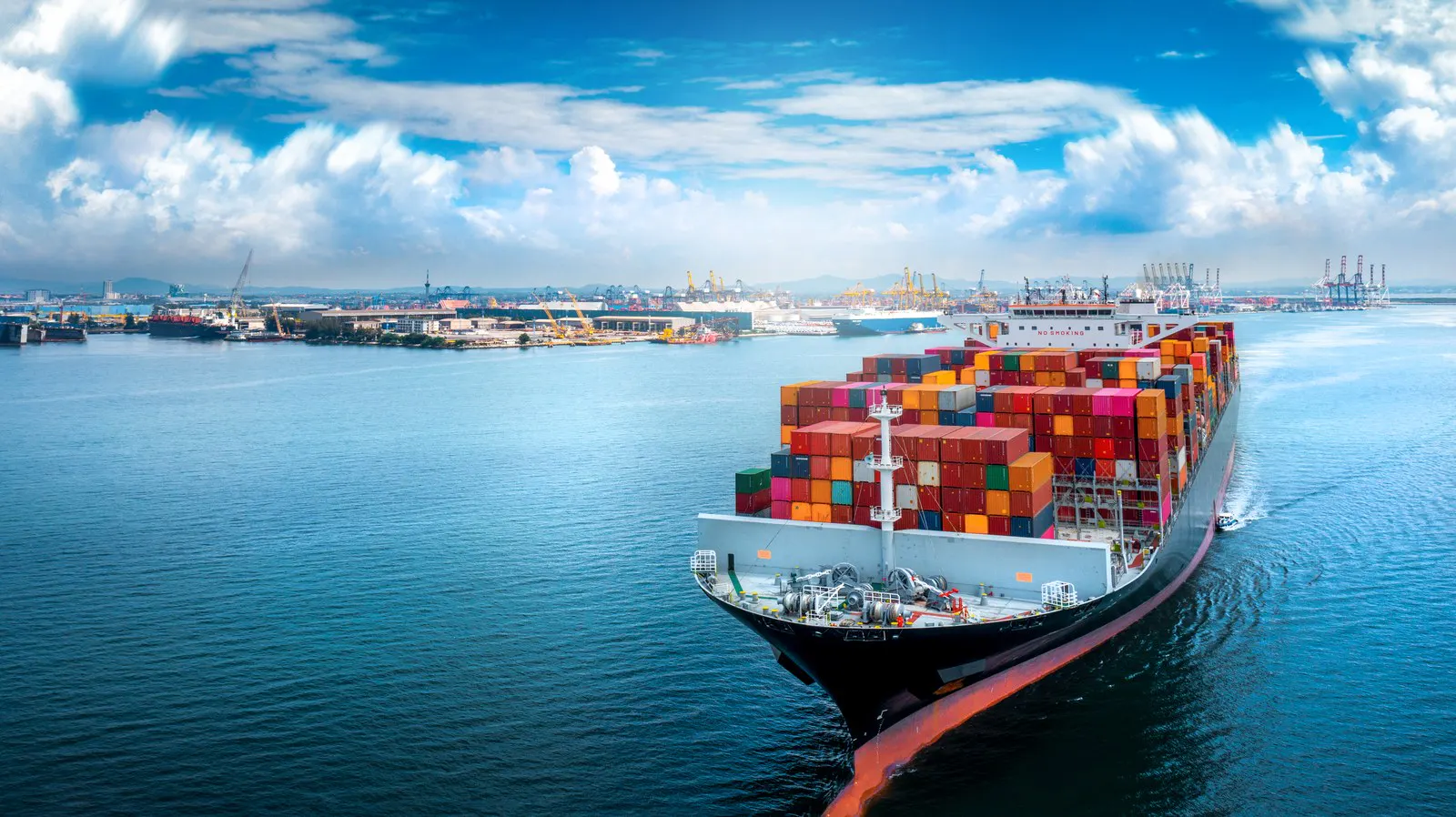
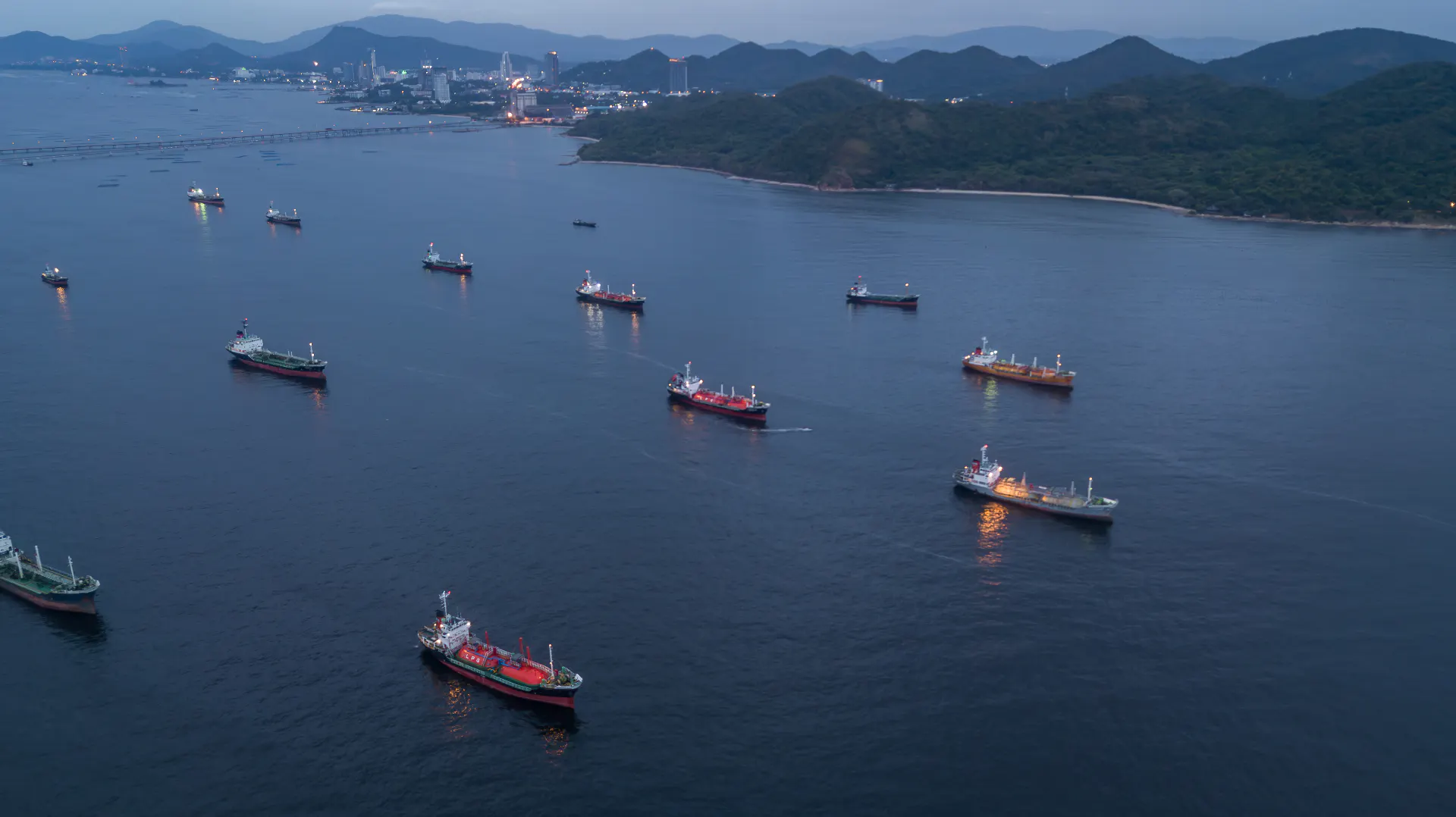
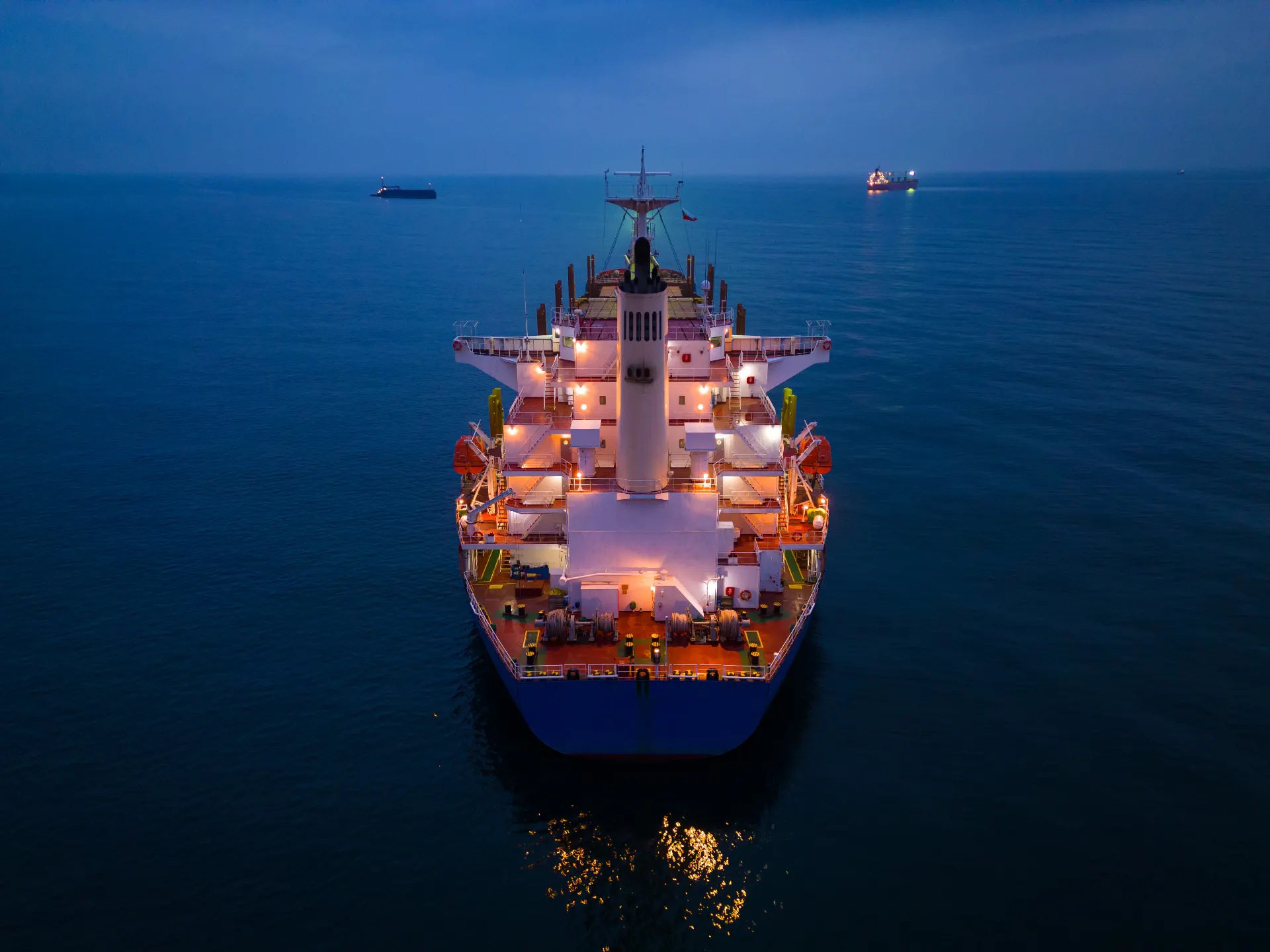
South Korea's HMM has halted plans for new container ship orders and is redirecting investment towards energy transport, a strategic shift that sets the carrier apart from most of its peers at a moment when the global boxship orderbook remains historically large. The world's eighth-largest liner operator said it would pause finalising contracts for at least ten planned 13,000 teu LNG dual-fuel container ships that had been scheduled for late 2026, choosing instead to put capital into Suezmax and MR petroleum tankers, LNG carriers and very large gas carriers.
The move reflects a judgement about where returns will sit over the next several years. Container capacity ordered today arrives into a market that already faces oversupply from vessels contracted during the pandemic-era earnings boom, while tanker and gas markets have been structurally tightened by the rerouting of energy flows around disrupted chokepoints. HMM warned in its first-quarter results this year about oversupply from newbuild deliveries, rising costs linked to the Middle East crisis and the effect of United States tariff policy on trade volumes.
The company has been building the energy side of the business for some time. Recent commitments include more than a billion dollars for eight bulk carriers and two gas carriers running through 2031, alongside a resale contract for four very large crude carriers due in 2029. Counting earlier orders, HMM will have six new VLCCs on order, which would take its crude tanker fleet to twenty vessels. It also holds a joint venture with an energy trading house to operate two new 88,000 cubic metre very large gas carriers.
HMM remains the only Korean carrier in the global top ten and continues to serve the Asia-Europe and Asia-North America trades, operating a fleet that includes two of the largest 24,000 teu container ships in service. Its recent liner strategy has focused on network reach rather than raw capacity growth, with new Africa routes built around a hub-and-spoke model and expansion across Southeast Asia announced alongside its first-quarter figures.
Analysts covering the company expect a strong second quarter, with one Korean brokerage forecasting revenue of 2.21 billion dollars, up 25 percent year on year, and operating profit of 291.8 million dollars, an increase of just over 80 percent, while maintaining a neutral rating on the stock. The caution implied by that rating captures the tension in the strategy. HMM is stepping away from the segment that generates most of its current earnings in favour of one where it has less operating history, on the view that the current container market is borrowing from the future.