Hanwha Ocean Certifies a Low-Carbon FPSO Design Ahead of the Venus Bid
DNV and ABS approvals cover both the design framework and the sustainability execution plan behind it
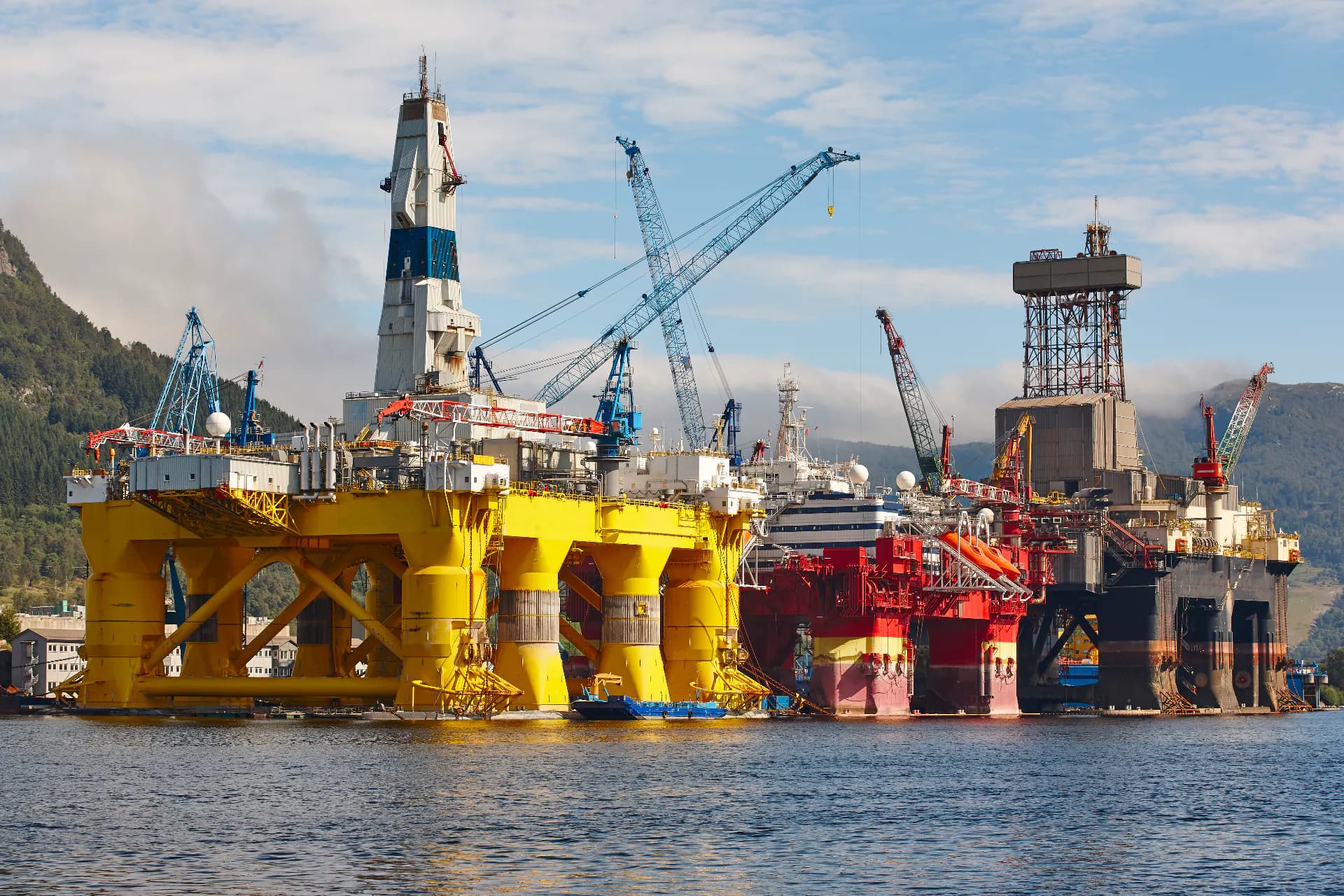
Hanwha Ocean has secured classification approval for a standardised low-carbon FPSO design framework, and intends to apply it across the whole project lifecycle, from client consultation through bidding to front-end engineering design.
The yard announced on 25 August that its low-carbon standardised FPSO design framework had received approval in principle from DNV. It obtained a parallel approval in principle from the American Bureau of Shipping, together with certification for its Project Sustainability Execution Plan. The two societies looked at different halves of the same problem: DNV verified the design framework, which integrates emission-reduction technologies aimed at the main greenhouse gas sources into the vessel design, while ABS validated the execution framework used to manage and implement carbon reduction and energy efficiency goals during delivery.
An FPSO is a floating facility that processes and stores crude oil or natural gas from the seabed before offloading it to shuttle tankers. The commercial point of the certification is repeatability. Low-carbon technologies have generally required individual review and application on each project; the yard is now categorising proven technologies against its existing standardised designs and building a technical platform from which specific packages can be selected to suit a given client requirement.
That approach follows earlier work. In 2024 the company developed a standardised FPSO for West African waters, certified by ABS and Bureau Veritas, and in 2026 a standardised design for South American waters, certified by ABS and DNV.
The near-term prize is a $3bn FPSO contract linked to the Venus development offshore Namibia, led by TotalEnergies, for which Hanwha Ocean is competing with the Netherlands-based SBM Offshore. A final investment decision is planned for the second half of 2026, with production due to start in 2030. Emissions carry unusual weight in that project: the operator intends to reinject associated gas produced during oil extraction back into the reservoir rather than flare it, keeping the emissions profile of a deepwater development comparatively low.
A company official said the significance of the certification lay in the validation of two pillars, the low-carbon design and the sustainable development implementation framework, which the yard plans to develop into standardised technology packages for repeated use. As emission reduction requirements harden in new offshore orders, that documentation is becoming a tender qualification rather than a differentiator.