GTT expects 550 more LNG carriers to be ordered by 2035
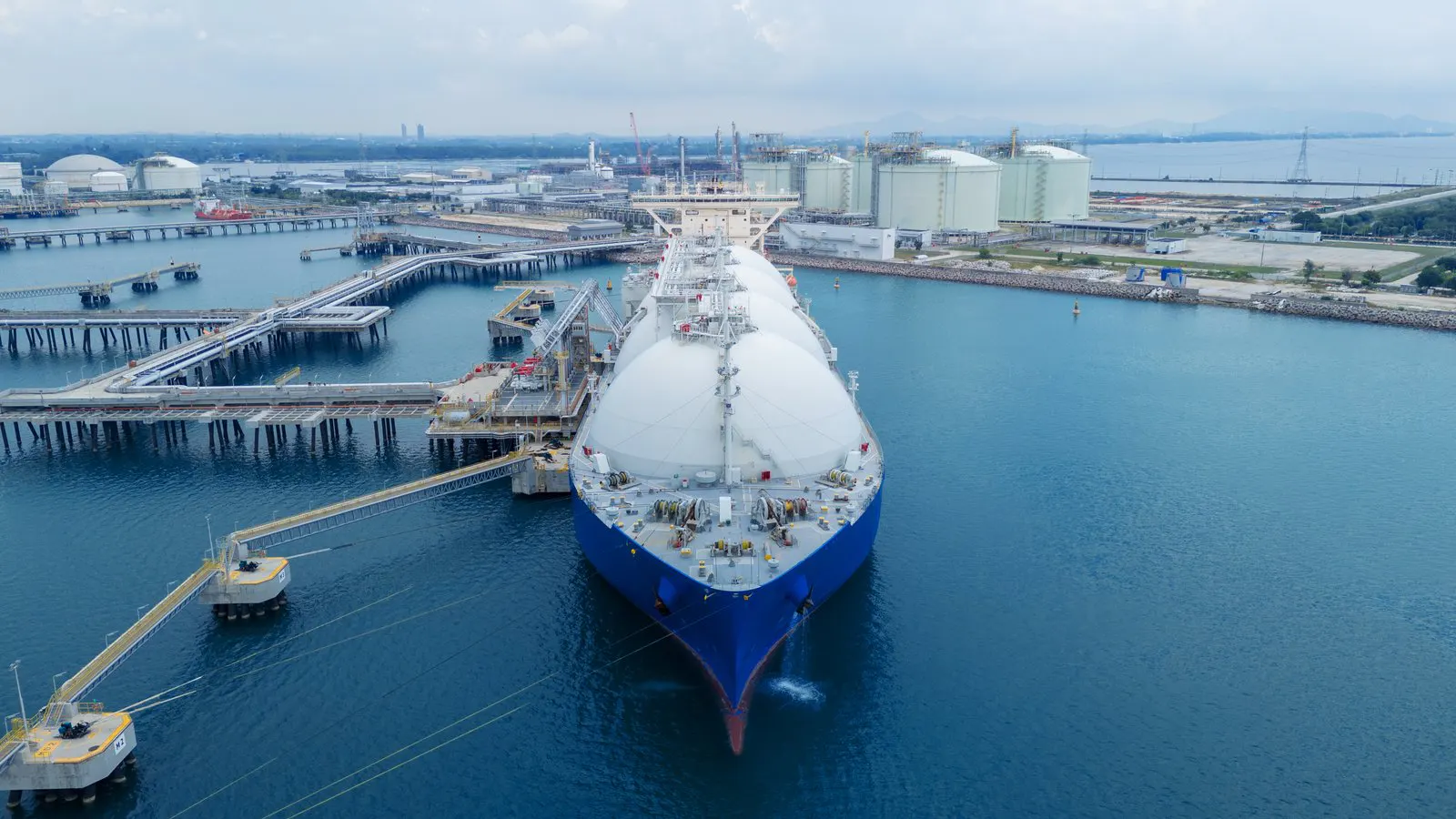
The French containment specialist GTT expects around 550 LNG carriers to be ordered over the coming decade, a forecast made all the more striking by the fact that the sector already carries one of the largest newbuilding backlogs in commercial shipping. The projection covers contracts placed between 2026 and 2035 and sits alongside expected demand for between 25 and 40 very large and ultra-large ethane carriers, up to 10 floating storage and regasification units, as many as 10 floating liquefaction units and around 30 onshore storage tanks.
The existing orderbook provides the context. As of 1 July there were 908 LNG carriers in service with a combined capacity of 139.7m cu m, and a further 338 ships totalling 54.3m cu m on order, equivalent to 38.9% of the trading fleet by capacity. The backlog is concentrated in the mainstream large-carrier segment, with 243 ships of between 150,000 and 180,000 cu m on order, representing 44.1% of the capacity already trading in that size range. Around 11.4m cu m is due for delivery during the remainder of this year, followed by 15.2m cu m in 2027 and 27.8m cu m from 2028 onwards.
GTT supplies the containment systems for the large majority of that construction wave. The company ended June with 272 LNG carriers in its core orderbook, which set against the global total means its technology is specified on roughly four out of every five carriers currently on order or under construction. That concentration gives the forecast unusual weight, since the company is describing a market in which it holds most of the design exposure.
The obvious risk is timing rather than direction. The size of the orderbook has already produced periods when vessel deliveries ran ahead of new liquefaction capacity, putting pressure on utilisation and spot earnings. GTT argues that long-term demand will absorb the tonnage. Another 37m tonnes a year of liquefaction capacity has reached final investment decision this year, including 21m tonnes in the United States, following a record 84m tonnes sanctioned last year. Those projects generate substantial shipping requirements as they move towards production.
The company expects LNG demand to grow at a compound annual rate of around 5% between 2026 and 2035, with roughly 80% of the increase coming from Asia, supported by European energy-security concerns and rising Middle Eastern requirements. Shipbuilders are positioning accordingly: GTT estimates annual LNG carrier construction slots at Korean and Chinese yards have risen from around 55 in 2020 to 90 this year, and will pass 100 by 2028. The forecast implies that today's record orderbook is not the peak of the cycle, and leaves owners with the harder task of matching hundreds of expensive deliveries to the precise start-up dates of the export projects meant to employ them.