Goldman and Rystad See Room for $120 Brent if Hormuz Stays Disrupted
Traffic through the strait has fallen to 4-5 million barrels a day from a recent average of eight million
Oil prices are rising again as commodity traders adapt to a forecast of prolonged uncertainty at the Strait of Hormuz, and two of the more closely watched forecasters see room for them to run further.
Brent futures were trading around $97 on Monday, their highest level in six weeks and up $10 from early last month. Struyven, who co-chairs commodities research at Goldman Sachs, said there could be meaningful upside to crude prices, adding that he sees room for Brent to reach as high as $120 a barrel.
"Events over the last few days do suggest that the risk of shipping disruptions broadening and intensifying is an important one," he said.
The market is pricing a transit number rather than a production number. Jorge Leon, head of geopolitical analysis at Rystad, said price fluctuations are driven very much by expectations of tanker transit volume through the strait. Rystad assesses that the US-led effort recently averaged eight million barrels a day through Hormuz, and that traffic has since come down sharply to about four to five million barrels a day.
In a worst case, if that persists for several months with no sign of a diplomatic agreement between Washington and Tehran, Rystad also sees potential room for Brent at $120.
Efforts by the GCC states and the United States to restore large-scale flows have so far not been enough to move traders off a cautious position, particularly after an exchange of fire over the weekend. Iran says a deal with Oman on navigation through the strait could be released within days, but it has consistently conditioned any such arrangement on US compliance with Iranian demands, first among them the lifting of the naval blockade and the sanctions regime on Iranian oil exports. Any technical agreement with Muscat on partitioning control of the strait would take effect only after the standoff with Washington is resolved.
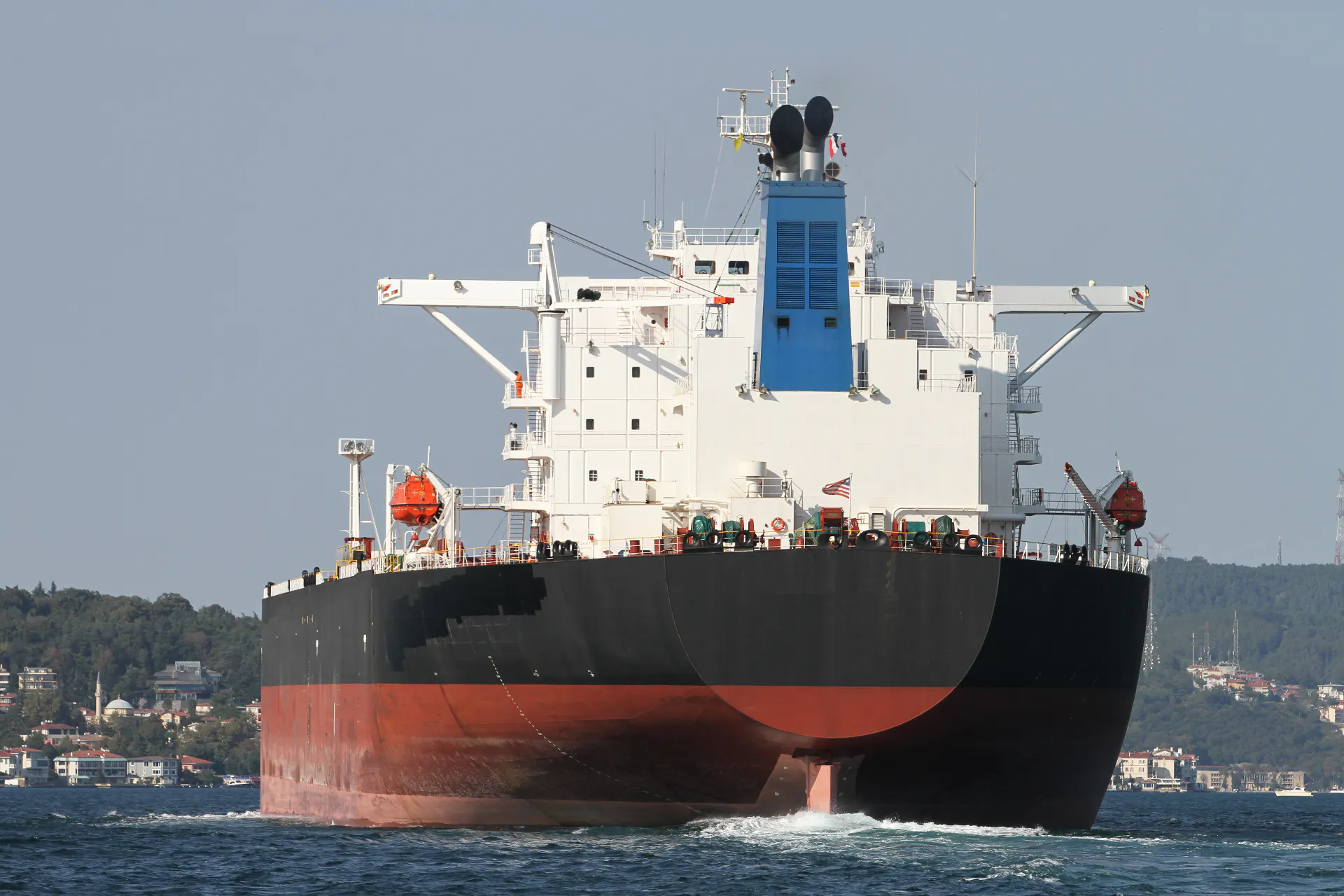
For tanker owners the arithmetic is different from that facing refiners. Three to four million barrels a day removed from the shortest route to Asian buyers has to be replaced from producers further away, which lengthens voyages, absorbs VLCC and suezmax capacity and keeps the freight market firm even as loadings out of the Gulf fall.